



Why Knee Pain Happens Even If You’re Young
Introduction
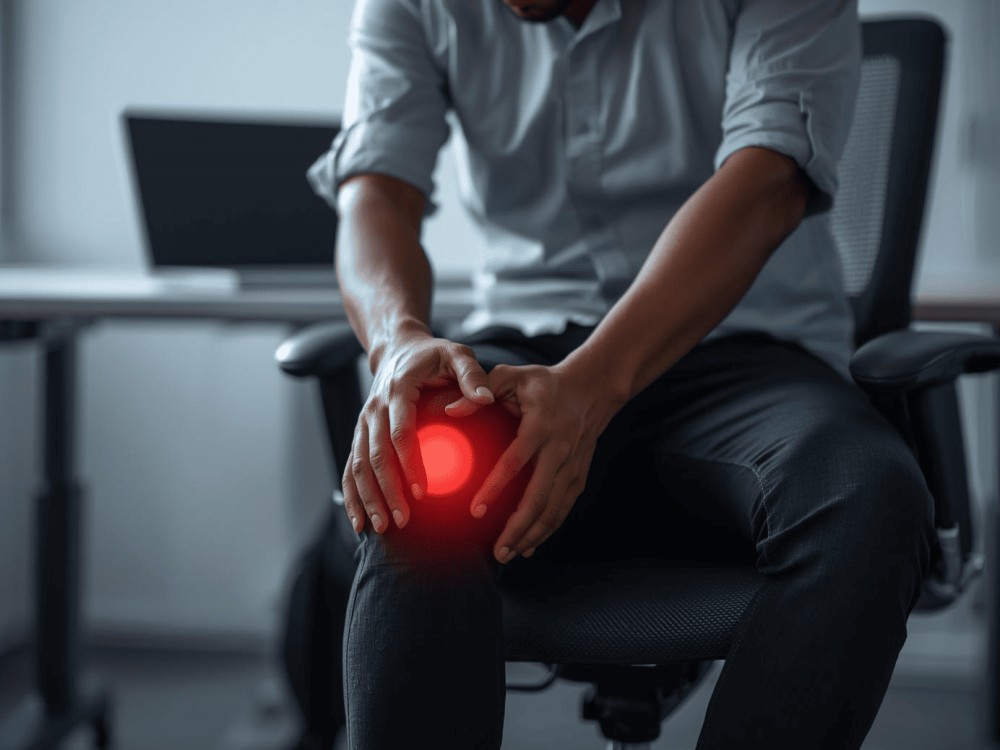
Knee pain in young age is becoming more common than ever. Whether you are a student, working professional, athlete, or someone who sits for long hours, knee discomfort can affect your mobility, confidence, and performance. Many people wrongly assume that knee pain is only caused by aging or injuries. In reality, lifestyle habits, posture mistakes, weak muscles, obesity, and even vitamin deficiencies can trigger knee problems early in life.
Understanding the reason of knee pain in young age helps you take preventive action before it becomes a lifelong issue. In this blog, we’ll explore why knee pain happens even if you’re young, what symptoms you should not ignore, and how you can get safe, long-term knee pain relief without unnecessary medications.
Top Reasons for Knee Pain in Young Age
1. Weak Muscles Due to Lack of Exercise
Your knees depend on strong quadriceps, hamstrings, and glute muscles for stability. When you don’t exercise regularly, your muscles become weak, forcing your knee joints to take more pressure. Over time, this leads to pain, stiffness, and difficulty climbing stairs.
2. Poor Posture & Long Sitting Hours
Sitting with crossed legs, slouching, or using low chairs can misalign your hip and knee joints. Office workers, gamers, and students often develop knee pain due to incorrect posture combined with weak muscles.
3. Excess Body Weight
Excess weight places additional load on the knees, increasing the risk of early osteoarthritis. Even a weight gain of just 5–10 kg can significantly increase joint pressure.
4. Sports or Overuse Injuries
Athletes and gym-goers are at higher risk due to repetitive stress. Running on hard surfaces, improper footwear, or training without warming up can strain knee ligaments and tendons.
5. Vitamin D & Calcium Deficiency
This is one of the most common knee pain reasons in young age, especially in females. Lack of sunlight and poor diet can weaken bones, making knees fragile and painful even without injury.
6. Flat Feet or Wrong Footwear
Improper foot alignment changes the knee angle, causing joint stress. Wearing unsupportive shoes (especially slippers or high heels) can trigger knee pain in ladies and young adults.
7. Hormonal Changes (Especially in Females)
Hormonal fluctuations during menstruation, pregnancy, or PCOS lead to joint laxity, making women more prone to knee pain. This explains what causes knee pain in females even without injury.
What to Do for Knee Pain in Young Age?
Here are simple, practical steps to relieve knee pain:
Strengthen thigh & glute muscles
Maintain proper posture at work
Wear supportive footwear
Avoid sudden intense workouts
Include Vitamin D, B12 & calcium
Warm up before exercise
When Should You See a Specialist?
Seek medical help if:
Pain lasts more than 7–10 days
Sudden swelling or popping sound
Difficulty standing or climbing stairs
Pain worsens while walking or exercising
Early intervention prevents long-term knee damage. Don’t ignore knee pain especially at a young age.
Conclusion
Knee pain in young age is not something to ignore. Whether it’s caused by weak muscles, posture issues, vitamin deficiency, or sports overuse, treating it early gives better long-term results. With proper exercise, physiotherapy, and posture correction, you can enjoy pain-free movement and avoid future complications like osteoarthritis. If you’re struggling with knee pain, don’t wait. Book a consultation with our expert physiotherapists for personalized treatment, posture evaluation, and fitness support focused on long-term knee health.
Frequently Asked Questions
1. Why does my knee hurt even without injury?
Weak muscles, poor posture, and vitamin deficiency can cause knee pain even without an injury.
2. What causes knee pain in females?
Hormonal changes, vitamin deficiency, and improper footwear are common causes.
3. How do I relieve knee pain at home?
Apply ice, do stretching, strengthen your legs, and avoid squatting or running temporarily.
4. Can knee pain be cured permanently?
Yes, with physiotherapy, posture correction, strength training, and a proper diet.
5. Is knee pain normal in young adults?
No. Persistent pain indicates imbalance or deficiency and needs early treatment.