jQuery(document).ready(function($){ $('nav a').filter(function(){ return $(this).text().trim() === 'Academic'; }).attr('target', '_blank'); });

vhospitals

Venkateswara Hospital

Author name: vhospitals

Foot and ankle pain treatment in Chennai
Orthopaedics

Common Foot & Ankle Problems You Should Know

Common Foot & Ankle Problems You Should Know Introduction Foot and ankle pain is one of the most common mobility problems affecting people of all ages. Whether you are an active individual, a working professional who stands for long hours, or someone who walks daily for travel, these joints take a lot of stress. When left untreated, pain can worsen your balance, affect your lifestyle, and lead to long-term complications. That’s why foot and ankle pain treatment in Chennai is essential for early recovery and long-term health. At Venkataeswara Hospital, we focus on quick diagnosis, tailored physiotherapy care, and advanced rehabilitation to help you recover without surgery whenever possible. Why Do Foot & Ankle Problems Occur? Your foot has 26 bones and 33 joints. all connected through muscles, tendons, and ligaments. Any injury, footwear issue, weakness, or overuse can disturb this structure. People in Chennai commonly face foot and ankle pain due to: Long-duration walking or standing Lack of exercise Sports injuries High heels or improper footwear Obesity and diabetes Aging and arthritis Ignoring symptoms can make recovery slower and risk permanent damage. Most Common Foot Problems 1 Plantar Fasciitis / Heel Pain Plantar fasciitis causes irritation in the tissue under your heel, leading to sharp pain especially during the first steps in the morning. Early heel pain treatment Chennai can prevent chronic inflammation. 2 Flat Feet (Fallen Arches) In this condition, your foot arch collapses while standing. It affects alignment from foot to spine and can cause knee and hip pain. Physiotherapy and supportive insoles are effective options for flat feet treatment Chennai. 3 Corns & Calluses These are thickened skin layers from pressure caused by tight shoes or abnormal walking style. Treatment focuses on posture correction and pressure relief. Most Common Ankle Conditions 4 Ankle Sprain A sprain happens when ligaments stretch or tear due to sudden twisting. Without proper physiotherapy for ankle sprain, it may keep happening again and again. 5 Achilles Tendinitis This occurs due to overuse of the tendon connecting calf muscles to your heel bone. If ignored, it can rupture — needing surgery. Early Achilles tendinitis physiotherapy avoids complications. 6 Ankle Arthritis This is caused by cartilage wear-and-tear and leads to stiffness, swelling, and difficulty walking. Physiotherapy helps maintain joint mobility and reduce pain for arthritis foot pain treatment. Physiotherapy: Best Non-Surgical Treatment for Foot & Ankle Pain Hospital-based physiotherapy offers safer and long-lasting recovery. It focuses on: Pain relief Improving flexibility and movement Strengthening weak muscles Balance training to prevent falls Correcting walking pattern Speeding up healing after injuries Advanced rehabilitation tools ensure effective recovery of ligament tears, stress fractures, and post-surgery patients. Best rehabilitation services Chennai for active lifestyle return. When Should You Visit a Specialist? You must meet a doctor or physiotherapist if: Pain lasts more than 3 days Swelling or redness increases Walking becomes painful Ankle keeps twisting repeatedly You feel numbness or tingling Early evaluation avoids long-term issues and improves results. Foot & Ankle Pain Treatment at Venkataeswara Hospital Orthopedic specialists Physiotherapists trained in sports medicine Accurate scans like X-ray / Ultrasound Personalized non-surgical rehabilitation Conditions treated include: Heel Pain / Plantar Fasciitis Flat Feet Achilles Tendinitis Ankle Sprain & Sports Injury Ankle Arthritis Stress fractures Conclusion Foot and ankle pain affects movement and daily lifestyle. The earlier you receive non-surgical foot pain treatment in Chennai, the faster your recovery. With expert doctors and trained physiotherapists, Venkataeswara Hospital ensures safe, effective, and long-term relief for all foot and ankle problems. If you want to walk comfortably again, take the first step today. visit us for expert care and complete recovery. Frequently Asked Questions 1.Where can I get the best foot and ankle pain treatment in Chennai? Venkataeswara Hospital in Chennai provides expert orthopedic diagnosis and physiotherapy for all foot and ankle conditions with advanced rehabilitation support. 2. Can physiotherapy treat heel pain and plantar fasciitis? Yes. Physiotherapy reduces heel inflammation, improves flexibility, and corrects walking posture for long-term plantar fasciitis relief. 3. How long does ankle sprain recovery take with physiotherapy? Mild sprains recover in 1–2 weeks, while moderate to severe sprains need 4–6 weeks of structured physiotherapy to regain full stability. 4. Is flat feet a serious problem? Flat feet can cause foot fatigue, knee pain, and posture issues if ignored. Early physiotherapy and orthotics help improve arch support and movement. 5. When should I visit a doctor for foot or ankle pain? If pain lasts more than 3 days, swelling increases, or walking becomes difficult, visit Venkataeswara Hospital for early assessment and safe recovery. Venkataeswara Hospital in Chennai provides expert orthopedic diagnosis and physiotherapy for all foot and ankle conditions with advanced rehabilitation support. Yes. Physiotherapy reduces heel inflammation, improves flexibility, and corrects walking posture for long-term plantar fasciitis relief. Mild sprains recover in 1–2 weeks, while moderate to severe sprains need 4–6 weeks of structured physiotherapy to regain full stability. Flat feet can cause foot fatigue, knee pain, and posture issues if ignored. Early physiotherapy and orthotics help improve arch support and movement. If pain lasts more than 3 days, swelling increases, or walking becomes difficult, visit Venkataeswara Hospital for early assessment and safe recovery.
Foot and ankle pain treatment in Chennai
Physiotherapy

Top 10 Benefits of Regular Physiotherapy Sessions

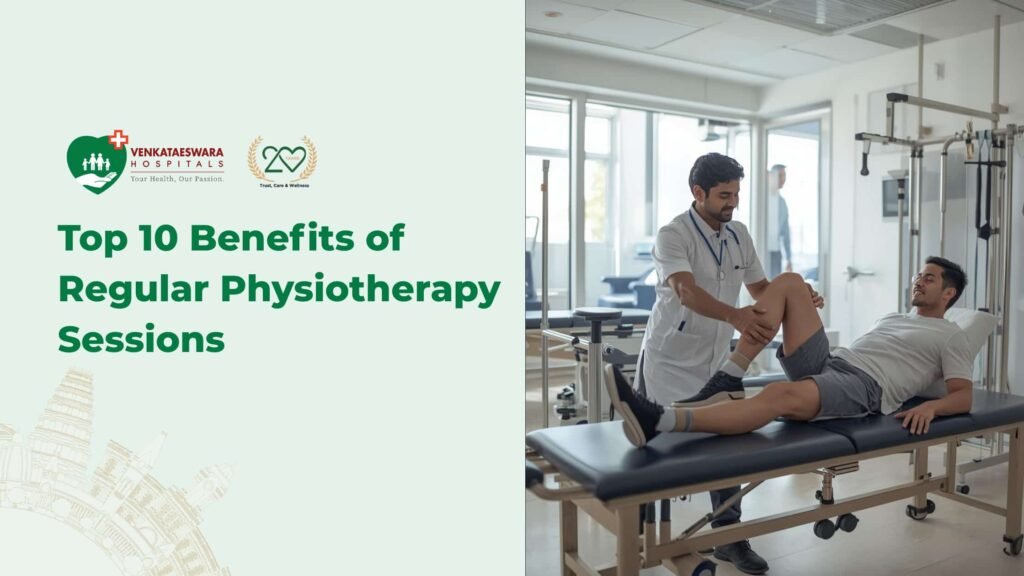
Top 10 Benefits of Regular Physiotherapy Sessions Introduction Physiotherapy also plays an important role in improving circulation, enhancing muscle coordination, and keeping joints healthy. With today’s desk-bound routines and increased screen usage, more people are experiencing early mobility problems that were once seen only in older adults. Regular physiotherapy sessions in Chennai help counter these issues, ensuring that the body stays active and pain-free throughout daily activities. In a metropolitan city like Chennai, long work hours, traffic stress, and limited physical activity contribute to widespread musculoskeletal conditions. Physiotherapy provides targeted care for these lifestyle issues through scientifically designed exercises and hands-on techniques. It encourages the body to heal naturally without relying heavily on medications or invasive procedures. Improves Overall Mobility Patients who find it difficult to walk, climb stairs, or bend due to pain or stiffness benefit greatly from regular physiotherapy. Mobility exercises improve joint flexibility and muscle function, making everyday activities easier and more comfortable. Provides Natural Pain Relief Instead of depending only on painkillers, physiotherapy reduces pain by treating its actual cause. Soft tissue techniques, manual therapy, and muscle strengthening reduce discomfort in areas such as the neck, lower back, shoulder, and knees, giving long-lasting relief. Supports Recovery After Surgery After orthopaedic, spine, or joint replacement surgeries, patients may struggle with weakness and reduced movement. Regular physiotherapy sessions help restore strength, reduce swelling, and prevent complications. This ensures faster and safer recovery at every stage. Prevents Pain From Returning Pain often comes back if muscles remain weak or posture remains incorrect. Physiotherapy improves posture alignment and builds strong support around joints to avoid repeated injuries or recurring pain. It promotes long-term wellness instead of temporary relief. Enhances Balance and Stability Older adults and patients recovering from neurological conditions often experience imbalance or difficulty while walking. Regular physiotherapy improves coordination and balance, reducing the risk of falls and improving confidence in movement. Boosts Strength and Muscle Health Weak muscles cause strain in other body parts. Physiotherapy strengthens specific weak muscles so the body can move with proper support. Stronger muscles protect joints, avoid injuries, and improve posture in daily activities. Helps Athletes and Active Patients Perform Better Sports physiotherapy enhances flexibility, strength, and body control, helping athletes perform better while preventing injuries. Whether someone plays professional sports or engages in regular fitness routines, physiotherapy supports better performance and safer training. Improves Breathing and Lung Capacity Patients with breathing difficulties or those recovering from chest-related surgeries can benefit from physiotherapy. Chest physiotherapy techniques help improve lung capacity, clear congestion, and enhance oxygen flow, supporting better respiratory health. Helps with Chronic Conditions Conditions such as arthritis, cervical spondylosis, lumbar disc issues, and tendon injuries require continuous care. Regular physiotherapy sessions help control symptoms, maintain movement, and prevent condition progression so patients can live pain-free and independently. Improves Quality of Life Physical limitations can affect work, personal routine, and mental well-being. Physiotherapy allows patients to move better, feel healthier, and return to the activities they enjoy. With consistent sessions at Venkataeswara Hospitals, patients experience greater comfort, confidence, and overall happiness. When Should You Start Physiotherapy? You should consider physiotherapy if you have persistent pain, difficulty in movement, recent injury, surgery recovery, or weakness affecting daily life. Starting physiotherapy early leads to faster recovery and better long-term results. Expert physiotherapists at Venkataeswara Hospitals in Chennai evaluate each patient carefully and guide them throughout their healing journey. Conclusion Regular physiotherapy sessions provide multiple health benefits for people of all ages. They help reduce pain, improve strength and mobility, prevent future injuries, and support better health. At Venkataeswara Hospitals in Chennai, experienced physiotherapists offer personalized care that focuses on restoring movement, reducing discomfort, and enhancing overall well-being. Taking the right treatment at the right time can transform your daily comfort and keep you active for life. Frequently Asked Questions 1.Why are regular physiotherapy sessions important for recovery?  They help strengthen weak muscles, improve joint function, and prevent pain from returning, supporting long-term recovery and active living. 2. Can physiotherapy help avoid surgery?  Yes. Early physiotherapy treatment may prevent the need for surgery by treating underlying issues and improving mobility in many cases. 3. How long should physiotherapy sessions continue?  This depends on the patient’s condition. A physiotherapist will assess progress regularly and guide how long sessions are needed for complete recovery. 4. Is physiotherapy helpful for chronic joint and back pain?  Yes. Regular physiotherapy reduces stiffness, restores movement, and helps manage pain from chronic conditions such as arthritis or spine disorders. 5. Where can I get trusted physiotherapy care in Chennai?  Venkataeswara Hospitals in Chennai provides expert physiotherapy treatment with personalized care for faster and safe recovery.  They help strengthen weak muscles, improve joint function, and prevent pain from returning, supporting long-term recovery and active living. Yes. Early physiotherapy treatment may prevent the need for surgery by treating underlying issues and improving mobility in many cases. This depends on the patient’s condition. A physiotherapist will assess progress regularly and guide how long sessions are needed for complete recovery. Yes. Regular physiotherapy reduces stiffness, restores movement, and helps manage pain from chronic conditions such as arthritis or spine disorders. Venkataeswara Hospitals in Chennai provides expert physiotherapy treatment with personalized care for faster and safe recovery.

common joint problems Chennai
Orthopaedics, Physiotherapy

How to Avoid the 7 Most Common Joint Problems After Age 30

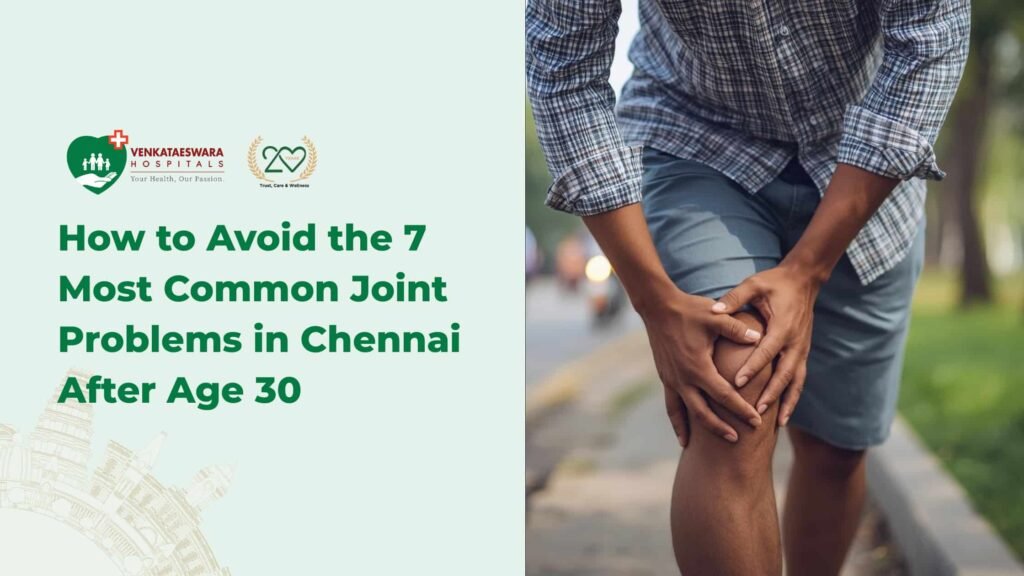
How to Avoid the 7 Most Common Joint Problems in Chennai After Age 30 Introduction After we turn 30, daily habits like long sitting hours, reduced exercise, stress, and weight gain begin to affect our joints. These lifestyle issues are the major causes of common joint problems Chennai adults face today. Whether we are driving long distances, sitting in front of a laptop all day, or avoiding exercise due to busy schedules, the joints face continuous strain. People think joint pain is only for older age, but age-related joint wear and tear actually starts silently in our 30s. If not controlled early, these mild pains become long-term arthritis or mobility limitations in the future. This blog shares how to prevent joint pain early, improve flexibility, and avoid long-term risks. Taking action now means you can enjoy an active, pain-free life for many years. joint pain is only for older age, but age-related joint wear and tear actually starts silently in our 30s. If not controlled early, these mild pains become long-term arthritis or mobility limitations in the future. This blog shares how to prevent joint pain early, improve flexibility, and avoid long-term risks. Taking action now means you can enjoy an active, pain-free life for many years. Knee & Hip Joint Pain Among all common joint problems Chennai adults experience, knee pain ranks #1. Climbing stairs quickly, wrong gym posture, and being overweight increase pressure on knees. Even simple activities like sitting cross-legged on the floor can cause strain when joints are already weak. Choosing low impact exercises for joints like swimming, cycling, and brisk walking can improve muscle support and reduce pain. Meanwhile, hip pain is often ignored until movement becomes difficult. IT professionals must take breaks every hour, stretch their hips, and improve their posture. Early physiotherapy and strengthening prevent cartilage damage. Shoulder, Neck & Wrist Pain Today, smartphones, laptops, and gaming devices are the major reasons behind upper body pain. Hours of screen usage weaken the shoulder and neck muscles, causing stiffness and headaches. Wrist pain  especially among IT workers. may lead to Arthritis later. Knowing what causes arthritis in young adults helps people avoid repetitive strain, incorrect phone holding, and typing without rest. Small routine changes like shoulder rolls, chin tucks, and wrist mobility improve long-term joint comfort. Back & Spine Stiffness Back pain is one of the most common joint problems Chennai professionals complain about. Sitting in soft sofas or working from bed weakens the spine. Lack of core strength puts all the workload on the lower back leading to stiffness. Correct posture, yoga, and strength training protect the spine from future degeneration. If pain spreads to the legs or causes numbness, medical help is essential to prevent nerve issues. Ankle Pain & Osteoarthritis Even wrong footwear can gradually damage joints. High heels, flat sandals, and tight shoes lead to ankle imbalance and foot pain. After age 30, joints slowly lose natural cushioning, making cartilage protection tips important. Foods rich in calcium, healthy fats, and Vitamin D strengthen bones. Following a joint health diet for Indians helps reduce inflammation and keeps the body strong. Exercise, Weight & Physiotherapy Support Understanding how to keep joints healthy requires 3 essentials: strength, movement, and flexibility. Simple exercises like walking and yoga support the joints better than sudden, intense workouts. Even 5 kg extra weight adds 20–30 kg additional pressure on your knees! Physiotherapy is one of the safest ways to treat joint stiffness, build muscle balance, and restore movement. If pain doesn’t reduce after home remedies, expert treatment ensures faster recovery. When Should You See a Doctor? If pain lasts more than two weeks, becomes worse while walking, or comes with swelling, do not wait. Early diagnosis helps avoid surgery and permanent damage. Knowing when to see orthopaedic doctor Chennai will save both time and money. Conclusion Joint pain is not a normal part of turning 30. Today, common joint problems Chennai adults are experiencing can be prevented with simple lifestyle improvements. By choosing correct posture, regular stretching, nutritious food, and professional treatment when needed, you can protect your joints for life. Don’t wait until stiffness and pain stop you from enjoying daily activities,prevention today gives you active years ahead. If your joints are trying to tell you something, listen now. Frequently Asked Questions 1.What is arthritis?  Arthritis happens when cartilage breaks down, causing swelling and pain in joints. 2 Can exercise stop joint pain? Absolutely — strengthening, stretching, and mobility exercises protect and support joints. 3. Why do body aches increase after 30?  Slow metabolism, stress, improper posture, and lower activity levels contribute. 4. When should I see a doctor for joint pain?  If pain lasts more than two weeks, or swelling and clicking increase, get a check-up. 5. How can physiotherapy help?  It improves movement, reduces pain, and prevents surgery in chronic conditions.  Arthritis happens when cartilage breaks down, causing swelling and pain in joints. Absolutely — strengthening, stretching, and mobility exercises protect and support joints. Slow metabolism, stress, improper posture, and lower activity levels contribute. If pain lasts more than two weeks, or swelling and clicking increase, get a check-up. It improves movement, reduces pain, and prevents surgery in chronic conditions.

Off-Pump Coronary Artery Bypass Surgery
Cardiology

Off-Pump Coronary Artery Bypass Surgery Benefits, Risks & Why Patients Choose It

Off Pump Coronary Artery Bypass Surgery, Benefits, Risks & Why Patients Choose It Introduction Heart problems are becoming increasingly common in Chennai due to stressful lifestyles, diabetes, hypertension, unhealthy food habits, and hereditary factors. Many patients experience persistent chest pain, fatigue, shortness of breath, and discomfort while walking. even simple activities feel exhausting. In many such cases, doctors find one or more coronary arteries blocked during an angiogram. While some blockages can be treated with stents, others require bypass surgery for long-term safety. Traditionally, bypass surgery involved stopping the heart and using a heart-lung machine. But today, advancements in cardiac care have introduced a safer and more patient-friendly method:  complications, speeds up recovery, and offers better outcomes for high-risk patients. Off Pump Coronary Artery Bypass Surgery. a technique performed while the heart continues to beat. This modern approach reduces What Is Off-Pump Coronary Artery Bypass Surgery? Off Pump Coronary Artery Bypass Surgery  is a type of bypass procedure performed while the heart continues to beat naturally. Unlike traditional bypass surgery, the surgeon does NOT use a heart-lung machine. Instead, special stabilizing devices keep a small part of the heart steady while allowing the rest to beat normally. This method is particularly helpful for: ✔ Diabetic patients ✔ Elderly patients ✔ People with kidney or lung problems ✔ Patients with multiple medical conditions Benefits of Off-Pump Coronary Artery Bypass Surgery 1. Faster and Safer Recovery Because the heart is not stopped, the body experiences less stress. This speeds up recovery and reduces complications, especially for high-risk patients. 2. Lower Risk of Stroke and Kidney Issues Avoiding the heart-lung machine reduces inflammation, reduces chances of brain fog, and protects kidney function. 3. Reduced Bleeding Patients undergoing Off-Pump Coronary Artery Bypass Surgery  typically require fewer blood transfusions post-surgery. 4. Less Pain & Shorter Hospital Stay Many Chennai patients return home sooner when compared to x. 5. Ideal for High-Risk Patients People who are older, diabetic, or have multiple blockages often benefit most from OPCAB. Risks & Limitations : While safe, Off Pump Coronary Artery Bypass Surgery  may have limitations depending on: • Very complex multi-vessel blockages • Deeply placed arteries • Emergency heart conditions Your cardiac surgeon will decide the safest option after angiogram evaluation. Off-Pump vs On-Pump Bypass – Key Difference Factor Off-Pump CABG On-Pump CABG Heart Status Beating Stopped Machine Used No heart-lung machine Yes Recovery Faster Slightly longer Inflammation Less More Best For High-risk patients Complex blockages Why Patients in Chennai Prefer Off-Pump Coronary Artery Bypass Surgery Patients at VHospitals prefer Off Pump Coronary Artery Bypass Surgery  because: ✔ It provides safer outcomes ✔ Recovery is faster ✔ Fewer complications for diabetic/kidney-risk patients ✔ Less inflammation and fatigue post-surgery ✔ Natural heart rhythm is maintained When Should You Choose Off-Pump Surgery? You should discuss Off Pump Coronary Artery Bypass Surgery  if you have: • Severe coronary blockages • Diabetes • Kidney issues • COPD or lung disease • High surgical risk based on age or lifestyle VHospitals cardiothoracic surgeons provide a detailed evaluation to help choose the safest option. Conclusion Off Pump Coronary Artery Bypass Surgery  is a safe, advanced, and patient-preferred method for treating heart blockages, especially for high-risk patients. By avoiding the heart-lung machine, recovery is faster, complications are fewer, and long-term outcomes are positive. Chennai patients seeking expert heart care can trust the experienced cardiac team at Venkataeswara Hospitals  for world-class treatment, advanced technology, and compassionate care. Frequently Asked Questions 1. Is Off-Pump Bypass Surgery safer than traditional bypass? Yes. For many high-risk patients, OPCAB reduces stroke risk, bleeding, and recovery time. 2. Who is the ideal candidate for Off-Pump Coronary Artery Bypass Surgery? People with diabetes, kidney problems, or older age benefit most. 3. How long does recovery take after off-pump CABG? Most patients recover in 4–6 weeks with regular physiotherapy and follow-up care. 4. Is this surgery available in Chennai? Yes. VHospitals Chennai provides expert off-pump CABG with advanced technology and experienced surgeons. 5. Do I need lifelong medications after off-pump bypass? Yes. Anti-platelet, cholesterol, and BP medicines help maintain long-term heart health. Yes. For many high-risk patients, OPCAB reduces stroke risk, bleeding, and recovery time. People with diabetes, kidney problems, or older age benefit most. Most patients recover in 4–6 weeks with regular physiotherapy and follow-up care. Yes. VHospitals Chennai provides expert off-pump CABG with advanced technology and experienced surgeons. Yes. Anti-platelet, cholesterol, and BP medicines help maintain long-term heart health.

Signs your heart needs medical attention
Cardiology

Top Signs Your Heart Needs Medical Attention

Top Signs Your Heart Needs Medical Attention Introduction Heart conditions rarely begin with a heart attack. In reality, the body sends several warning signals weeks or even months earlier. Recognizing the signs your heart needs medical attention early can prevent severe complications such as stroke, heart failure, or cardiac arrest. With rising lifestyle diseases in Chennai,such as diabetes, hypertension, stress, obesity, and inactivity.many adults and seniors are at increasing risk of heart problems. This medical guide explains the early warning signs of heart problems, the symptoms that need urgent care, and when to consult a cardiologist at Venkataeswara Hospitals, Chennai, a trusted center for advanced cardiac care. 1. Chest Discomfort or Pressure — The Most Critical Red Flag Chest pain is one of the strongest and most common symptoms of heart attack in adults. However, not all chest pain feels severe. Sometimes it appears as: Tightness Heaviness Pressure Burning sensation Pain radiating to the shoulder, arm, jaw, or back These are classic chest pain that needs medical attention, especially if the discomfort lasts more than five minutes or gets worse on walking. This may also indicate deeper issues such as early symptoms of heart failure or blockages in the coronary arteries. 2. Shortness of Breath — Difficulty Breathing Even at Rest Feeling breathless while climbing steps, lying flat, or during simple activities is one of the biggest shortness of breath warning signs related to heart trouble. When the heart weakens, fluid begins to accumulate in the lungs, making breathing difficult. Watch for: Sudden breathlessness at night Difficulty sleeping without extra pillows Tiredness during routine tasks These symptoms often appear before chest pain and may be linked to heart disease signs you should not ignore. 3. Palpitations, Irregular Heartbeat & Dizziness A healthy heart beats rhythmically. But if you experience: Rapid heartbeat Fluttering Skipped beats Sudden racing heart these may be signs of cardiac electrical disturbances called heart rhythm abnormalities. When these occur with dizziness or fainting, it becomes the more serious condition often described as heart palpitations and dizziness. Patients frequently ask, “Why does my heart feel weak?”  this is often because the heart’s chambers are not pumping efficiently. 4. Persistent Fatigue & Loss of Energy If you feel tired even after proper rest, especially during simple activities like walking or bathing, it may be fatigue related to heart issues. This type of fatigue indicates that the heart is struggling to supply oxygen-rich blood to the body. Common early signs include: Feeling drained throughout the day Unusual weakness even after mild exertion Poor stamina These are also heart health warning signals that should never be ignored. 5. Swelling in Legs, Ankles & Abdomen When the heart cannot pump efficiently, fluid accumulates in various parts of the body. This leads to swelling in legs heart-related, also called edema. Symptoms include: Tightness in footwear Puffiness around feet and ankles Abdominal bloating Rapid weight gain These signs often indicate early heart failure and require medical attention immediately. 6. High Blood Pressure & Related Complications Hypertension is a major threat because it damages the heart slowly and silently. High blood pressure complications include: Thickened heart muscles Reduced pumping efficiency Stroke Kidney damage Heart attack Since most adults in Chennai suffer from uncontrolled blood pressure, regular screening is essential. 7. Warning Signals Before Cardiac Arrest Cardiac arrest often occurs suddenly, but the body gives early alerts known as early signs of cardiac arrest, such as: Sudden extreme chest pain Severe breathlessness Collapse or unconsciousness No pulse Bluish lips or fingertips Immediate treatment is crucial. Call emergency services and rush to Venkataeswara Hospitals‘ Emergency Department without delay. Conclusion Your body speaks before your heart breaks. Understanding the signs your heart needs medical attention helps protect you from emergencies like heart attacks, stroke, and cardiac arrest. Never ignore symptoms like breathlessness, swelling, chest pressure, palpitations, or dizziness. Venkataeswara Hospitals, Chennai, provides expert cardiology care, 24/7 emergency support, and advanced diagnostic tests to ensure early, accurate treatment. Frequently Asked Questions 1. What are the first signs your heart needs medical attention?  Chest pressure, breathlessness, swelling, fatigue, and palpitations. 2. When should I see a cardiologist?  Whenever symptoms worsen or last longer than a few days. 3. Can heart problems occur without pain?  Yes. Breathlessness and fatigue are more common early symptoms. 4. What tests should I take for heart health?  ECG, echocardiogram, stress test, cholesterol profile. 5. Which is the best hospital in Chennai for heart checkups?  Venkataeswara Hospitals offers expert cardiology and emergency care.  Chest pressure, breathlessness, swelling, fatigue, and palpitations. Whenever symptoms worsen or last longer than a few days. Yes. Breathlessness and fatigue are more common early symptoms. ECG, echocardiogram, stress test, cholesterol profile. Venkataeswara Hospitals offers expert cardiology and emergency care.

Common health problems in senior citizens
Health Check up

Common Health Problems in Senior Citizens & How to Manage Them

Common Health Problems in Senior Citizens & How to Manage Them Introduction Aging is a natural process, but many senior citizens experience health problems that affect mobility, independence, and quality of life. Most of these issues are not sudden  they develop slowly as the body weakens with age. Understanding the common health problems in senior citizens and how to manage them properly can prevent complications, disability, and emergency hospital visits. In Chennai, the need for regular health check-ups, physical rehabilitation, and chronic disease management in older adults is steadily increasing due to lifestyle changes and longer life expectancy. At Venkateshwara Hospitals, senior care is not about curing diseases alone; it focuses on restoring physical ability, preventing falls, improving strength, and enhancing emotional and cognitive well-being. 1. Chronic Diseases That Need Continuous Management Conditions like diabetes, hypertension, arthritis, chronic kidney disease, and respiratory problems are the leading common health problems in senior citizens. These conditions require ongoing monitoring and professional care. Diabetes increases infection risk, hypertension affects heart health, and arthritis interferes with daily movement.  How to Manage Regular blood sugar and BP monitoring Avoid self-medication Follow a balanced diet recommended by a physician Annual cardiology, renal, and diabetes checkups For treatment and monitoring, seniors can consult General Medicine Specialists at Venkateshwara Hospitals, Chennai. 2. Heart Problems & Stroke Risk in Older Adults Age increases vulnerability to heart attacks, arrhythmia, and stroke. Poor diet, sedentary lifestyle, smoking history, and hereditary factors commonly lead to cardiac problems. Many older adults develop symptoms like breathlessness, swelling in feet, shoulder pain radiating to the jaw, or dizzy spells.  Prevention & Management Regular cardiac screening Monitor cholesterol & BP levels Eat low-salt, heart-friendly foods Consult cardiologists annually Older adults with warning signs should immediately seek a Cardiology Consultation at Venkateshwara Hospitals, Chennai. 3. Joint Pain, Arthritis & Reduced Mobility Joint stiffness, knee pain, and loss of balance are frequent health issues faced by senior citizens. Osteoarthritis, osteoporosis, and weak muscles make movement painful. Many seniors ignore symptoms until they lose mobility, increasing the risk of disability and falls.  The Best Way to Manage: Physiotherapy for mobility and strength Heat therapy and pain management Fall prevention exercises Vitamin D & calcium dietary support Assistive devices if needed Venkateshwara Hospitals provides Physiotherapy and Orthopedic Support to help seniors walk independently and reduce pain. 4. Memory Loss, Dementia & Cognitive Decline With age, brain cells degenerate, leading to memory issues and cognitive impairment. Forgetfulness, confusion, anxiety, and personality changes could indicate dementia or Alzheimer’s disease. These conditions require long-term neurological support.  How to Manage Cognitive stimulation exercises Social interaction & hobbies Neurology-guided medications Supportive mental health care Chennai families can consult Neurologists at Venkateshwara Hospitals for dementia evaluation and treatment. 5. Chronic Stress and Anger Sedentary habits are a major contributor to common health problems in senior citizens. Weak muscles reduce balance, slow metabolism, worsen diabetes, and increase fall risk. Reduced physical activity also leads to shoulder stiffness, back pain, and difficulty walking.  Management Tips Daily walking or supervised exercise Strength training recommended by a physiotherapist Fall-prevention exercises Joint mobility movements A physiotherapist helps with rotator cuff pain relief, balance improvement, and fall prevention programs. 6. Emotional, Mental & Social Wellness for the Elderly Depression and loneliness are widespread among older adults. Lack of social engagement, limited mobility, and health fears lead to emotional distress. Managing mental health is as important as physical treatment.  How to Support Seniors Emotionally Encourage social interaction Support hobbies and community programs Provide family involvement in treatment Seek counseling if needed Hospitals like Venkateshwara offer holistic geriatric care that includes emotional and cognitive support. Conclusion Aging brings challenges, but prevention and early treatment make life healthier and dignified. Regular checkups, physiotherapy, heart care, emotional support, and safe mobility solutions can significantly reduce the common health problems in senior citizens. With specialized departments and senior-friendly care, Venkateshwara Hospitals helps older adults enjoy an active, pain-free, and independent life. Frequently Asked Questions 1. What are the most common health problems in senior citizens?  Diabetes, heart issues, arthritis, memory loss, mobility problems, and sensory decline. 2. How can aging people stay healthy?  Regular checkups, physiotherapy, balanced diet, walking, medication compliance, and emotional support. 3. When should a senior visit a doctor?  If they experience severe pain, breathing trouble, dizziness, memory loss, or blood sugar fluctuations. 4. Can joint pain in seniors be treated without surgery?  Yes. Physiotherapy, mobility training, exercise therapy, and arthritis management can prevent surgery in many cases.   5. Which hospital in Chennai provides senior care?  Venkateshwara Hospitals offers senior-focused medical, orthopedic, cardiac, neurological, and physiotherapy care.  Diabetes, heart issues, arthritis, memory loss, mobility problems, and sensory decline. Regular checkups, physiotherapy, balanced diet, walking, medication compliance, and emotional support. If they experience severe pain, breathing trouble, dizziness, memory loss, or blood sugar fluctuations. Yes. Physiotherapy, mobility training, exercise therapy, and arthritis management can prevent surgery in many cases.   Venkateshwara Hospitals offers senior-focused medical, orthopedic, cardiac, neurological, and physiotherapy care.

Daily Habits That Damage Heart Health
Cardiology

Daily Habits That Damage Your Heart Without You Realizing

Daily Habits That Damage Your Heart Without You Realizing Introduction Your heart works every second without asking for attention, yet many routine behaviors silently weaken it. These  daily habits that damage heart health more than we imagine. From poor sleep to excess sugar, stress, or long sitting hours simple everyday choices can lead to long-term heart problems without obvious symptoms in the beginning. Many people only question why is sugar bad for your heart or why is salt bad for your heart when they are already struggling with blood pressure, cholesterol, obesity, or fatigue. The good news? You can reduce heart disease risk by changing small habits. Following 7 habits for a healthy heart (similar to Life’s Simple 7 AHA) can reverse damage and keep your heart younger and stronger. Let’s uncover the daily habits that damage heart health and how to reverse them today. 1. Sitting Too Long Without Movement Long work hours and screen time force us to sit for hours without breaks. This leads to poor blood circulation, obesity, and increased cholesterol. Studies show prolonged sitting raises the risk of heart disease by 147%. How to fix it? Stand and stretch every 45 minutes Walk 5 minutes for every 1 hour Try yoga for heart disease like Tadasana or brisk walking Read our wellness insights on Physiotherapy for Stress Relief to ease body stiffness. 2. Overeating Sugar in Everyday Foods Most people don’t realize how much hidden sugar they consume in tea, snacks, bread, juices, coffee, or desserts. High sugar increases cholesterol, weight gain, and even heart inflammation, answering the question “why is sugar bad for your heart?” These are common daily habits that damage heart health in disguise. Healthy Swap Tips Replace desserts with fruits Switch from soda to lemon water Use jaggery in moderation 3. Excess Salt in Food Chips, pickles, packaged foods, restaurant dishes  all pack heavy salt. Too much salt increases blood pressure and damages arteries, revealing why is salt bad for your heart? Reduce Salt Without Losing Taste Use lemon, herbs, pepper for flavor Avoid pickles and fried snacks Switch to homemade foods 4. Lack of Sleep or Irregular Sleep Routine Less than 6 hours of sleep increases stress hormones, causing cholesterol, obesity, and hypertension. Poor sleep is one of the daily habits that damage heart health because it forces your heart to work harder even when resting. Make Sleep Heart-Friendly Avoid screens before bed Sleep at the same time daily Try calming yoga like Anulom Vilom 5. Chronic Stress and Anger Uncontrolled anger increases blood pressure, while stress releases cortisol which thickens arteries over time. This weakens the heart silently for years. Stop the Habit Practice meditation 15 minutes Spend time outdoors Do laughter therapy or mindful breathing   6. Skipping Physical Activity Lack of exercise is one of the most harmful daily habits that damage heart health. You don’t need a gym walking, cycling, stairs, or yoga can help reverse heart disease. Try This 20-Min Daily Routine 10 minutes brisk walk 5 minutes stretching 5 minutes breathing exercise 7. Eating Fried Foods and Red Meat Frequently Fried snacks and red meat contain unhealthy fats that clog arteries. These foods that are harmful to the heart lead to cholesterol build-up and blockages. Better Food Choices Choose grilled, boiled, steamed foods Add leafy greens and nuts Include fiber-rich oats, apples, beans What Are Some Symptoms of Heart Disease to Watch For? You might ignore early signs thinking they are normal tiredness. Watch for: Chest tightness or burning Sudden sweating or dizziness Shortness of breath after small tasks Swelling in feet Fatigue without reason If you notice these signs regularly, consult a specialist immediately. Conclusion Your heart doesn’t ask for much  just small, consistent healthy habits. Reducing sugar and salt, moving more, sleeping well, and managing stress can reverse heart disease, improve circulation, and extend life. Begin with one simple change today and repeat it daily. Your heart will heal with every step. Frequently Asked Questions 1. What daily habits silently damage your heart? Sitting too long, eating excess sugar and salt, skipping exercise, poor sleep, and high stress damage your heart silently. These habits increase blood pressure, cholesterol, and artery inflammation. 2. How can I reduce heart disease risk naturally? Walk 30 minutes daily, reduce fried foods, cut sugar, avoid packaged salty snacks, sleep 7–8 hours, practice breathing yoga, and maintain a healthy weight. 3. Which foods are harmful for heart health? Foods high in trans fats, excess salt and sugar are harmful. Avoid chips, bakery snacks, red meat, fried foods, sugary drinks, instant noodles, and pickles. 4. What is the best exercise for heart problems? Brisk walking, cycling, low-impact aerobics, and yoga breathing exercises like Anulom Vilom and Bhramari improve blood pressure, reduce stress, and support heart function. 5. What are early symptoms of heart disease I should not ignore? Watch out for chest tightness, fatigue, dizziness, shortness of breath, swelling in legs, irregular heartbeat, and sudden sweating even without heavy activity. Sitting too long, eating excess sugar and salt, skipping exercise, poor sleep, and high stress damage your heart silently. These habits increase blood pressure, cholesterol, and artery inflammation. Walk 30 minutes daily, reduce fried foods, cut sugar, avoid packaged salty snacks, sleep 7–8 hours, practice breathing yoga, and maintain a healthy weight. Foods high in trans fats, excess salt and sugar are harmful. Avoid chips, bakery snacks, red meat, fried foods, sugary drinks, instant noodles, and pickles. Brisk walking, cycling, low-impact aerobics, and yoga breathing exercises like Anulom Vilom and Bhramari improve blood pressure, reduce stress, and support heart function. Watch out for chest tightness, fatigue, dizziness, shortness of breath, swelling in legs, irregular heartbeat, and sudden sweating even without heavy activity.

knee pain in young age
Physiotherapy

Why Knee Pain Happens Even If You’re Young

Why Knee Pain Happens Even If You’re Young Introduction Knee pain in young age is becoming more common than ever. Whether you are a student, working professional, athlete, or someone who sits for long hours, knee discomfort can affect your mobility, confidence, and performance. Many people wrongly assume that knee pain is only caused by aging or injuries. In reality, lifestyle habits, posture mistakes, weak muscles, obesity, and even vitamin deficiencies can trigger knee problems early in life. Understanding the reason of knee pain in young age helps you take preventive action before it becomes a lifelong issue. In this blog, we’ll explore why knee pain happens even if you’re young, what symptoms you should not ignore, and how you can get safe, long-term knee pain relief without unnecessary medications. Top Reasons for Knee Pain in Young Age 1. Weak Muscles Due to Lack of Exercise Your knees depend on strong quadriceps, hamstrings, and glute muscles for stability. When you don’t exercise regularly, your muscles become weak, forcing your knee joints to take more pressure. Over time, this leads to pain, stiffness, and difficulty climbing stairs. 2. Poor Posture & Long Sitting Hours Sitting with crossed legs, slouching, or using low chairs can misalign your hip and knee joints. Office workers, gamers, and students often develop knee pain due to incorrect posture combined with weak muscles. 3. Excess Body Weight Excess weight places additional load on the knees, increasing the risk of early osteoarthritis. Even a weight gain of just 5–10 kg can significantly increase joint pressure. 4. Sports or Overuse Injuries Athletes and gym-goers are at higher risk due to repetitive stress. Running on hard surfaces, improper footwear, or training without warming up can strain knee ligaments and tendons. 5. Vitamin D & Calcium Deficiency This is one of the most common knee pain reasons in young age, especially in females. Lack of sunlight and poor diet can weaken bones, making knees fragile and painful even without injury. 6. Flat Feet or Wrong Footwear Improper foot alignment changes the knee angle, causing joint stress. Wearing unsupportive shoes (especially slippers or high heels) can trigger knee pain in ladies and young adults. 7. Hormonal Changes (Especially in Females) Hormonal fluctuations during menstruation, pregnancy, or PCOS lead to joint laxity, making women more prone to knee pain. This explains what causes knee pain in females even without injury. What to Do for Knee Pain in Young Age? Here are simple, practical steps to relieve knee pain: Strengthen thigh & glute muscles Maintain proper posture at work Wear supportive footwear Avoid sudden intense workouts Include Vitamin D, B12 & calcium Warm up before exercise When Should You See a Specialist? Seek medical help if: Pain lasts more than 7–10 days Sudden swelling or popping sound Difficulty standing or climbing stairs Pain worsens while walking or exercising Early intervention prevents long-term knee damage. Don’t ignore knee pain  especially at a young age. Conclusion Knee pain in young age is not something to ignore. Whether it’s caused by weak muscles, posture issues, vitamin deficiency, or sports overuse, treating it early gives better long-term results. With proper exercise, physiotherapy, and posture correction, you can enjoy pain-free movement and avoid future complications like osteoarthritis. If you’re struggling with knee pain, don’t wait. Book a consultation with our expert physiotherapists for personalized treatment, posture evaluation, and fitness support focused on long-term knee health. Frequently Asked Questions 1. Why does my knee hurt even without injury?  Weak muscles, poor posture, and vitamin deficiency can cause knee pain even without an injury. 2. What causes knee pain in females?  Hormonal changes, vitamin deficiency, and improper footwear are common causes. 3. How do I relieve knee pain at home?  Apply ice, do stretching, strengthen your legs, and avoid squatting or running temporarily. 4. Can knee pain be cured permanently?  Yes, with physiotherapy, posture correction, strength training, and a proper diet. 5. Is knee pain normal in young adults?  No. Persistent pain indicates imbalance or deficiency and needs early treatment.  Weak muscles, poor posture, and vitamin deficiency can cause knee pain even without an injury. Hormonal changes, vitamin deficiency, and improper footwear are common causes. Apply ice, do stretching, strengthen your legs, and avoid squatting or running temporarily. Yes, with physiotherapy, posture correction, strength training, and a proper diet. No. Persistent pain indicates imbalance or deficiency and needs early treatment.

master health check-up after 25
Health Check up

Why a Master Health Check-Up Is Essential After Age 25

Why a Master Health Check-Up Is Essential After Age 25 Introduction Entering your mid-twenties is a major milestone, a phase where responsibilities grow, lifestyle patterns shift, and stress levels rise. This is also the age when early signs of lifestyle diseases quietly begin. That’s why a master health check-up after 25 is not just an option but a necessity. Even if you feel healthy, annual screening helps detect hidden deficiencies, hormone imbalances, metabolic issues, and early-stage conditions before they turn serious. With rising cases of diabetes, PCOS, thyroid disorders, and hypertension among young adults, preventive care has become more important than ever. A full body health check-up at 25 ensures that you stay informed about your body, make better lifestyle choices, and prevent future complications. In this blog, you’ll learn the key benefits, tests included, and why 25–30 is the best age to begin annual preventive screening. Why You Need a Master Health Check-Up After 25 Your twenties may feel like your healthiest years, but internal changes can begin long before symptoms appear. Several factors make routine screening essential: Sedentary lifestyle Irregular sleep patterns Stress from work or studies Fast food habits and nutrient gaps Screen-time related issues A preventive health checkup for young adults helps you detect early warning signs of non-communicable diseases such as diabetes, hypertension, fatty liver, PCOS, heart disease, and thyroid disorders. Early detection = easier treatment + lower medical costs + long-term wellness. Benefits of Doing a Master Health Check-Up in Your Mid-Twenties A master health check-up package offers multiple advantages: 1. Early Detection of Lifestyle Diseases Conditions like insulin resistance, cholesterol imbalance, and liver issues are now seen even among 25–30-year-olds. With lifestyle diseases screening in young adults, early diagnosis helps you reverse many conditions through diet and exercise alone. 2. Prevents Long-Term Health Complications Most major chronic diseases start silently. Annual checkups allow you to catch them before they escalate. 3. Helps You Build a Healthier Routine Your reports clearly show what needs improvement: sleep, diet, exercise, or stress management. 4. Saves Cost in the Long Run Preventive screening is far cheaper than treating advanced disease. This makes a master health check-up cost in India highly affordable and beneficial. 4. Regular Health Checkups Preventive screening is far cheaper than treating advanced disease. This makes a master health check-up cost in India highly affordable and beneficial. What Is Included in a Master Health Check-Up? Most hospitals and diagnostic centers follow a comprehensive health check-up checklist, which commonly includes: Complete blood count (CBC) Liver & kidney function tests Thyroid profile (T3, T4, TSH) Lipid profile Blood sugar & HbA1c Vitamin D & B12 levels Urine analysis ECG & chest X-ray BMI & body composition Gynec screening for women (optional) Best Age and Frequency for Health Check-Ups The best age for a master health check-up is between 25–30 years, when preventive health can make the biggest difference. After your first screening, follow this schedule: 25–30 years: Once every year Above 30: Once every 6–12 months Those with hereditary risks (diabetes, BP, thyroid): Every 6 months Full Body Check-Up vs Master Health Check-Up A full body check-up covers general vitals and basic tests. A master health check-up, however, includes deeper metabolic, hormonal, and organ-specific investigations  making it ideal for preventive screening. Conclusion Your mid-twenties are the foundation for a healthier future. A master health check-up after 25 empowers you with clarity, early diagnosis, and lifestyle guidance to avoid long-term complications. With rising lifestyle diseases among young adults, preventive care is no longer optional. Start prioritizing your health today with an annual screening. Frequently Asked Questions 1. Is a master health check-up necessary after age 25? Yes. After 25, lifestyle diseases like thyroid issues, vitamin deficiencies, and early diabetes often develop silently. A master health check-up helps detect them early. 2. What tests are included in a master health check-up after 25? Most packages include CBC, thyroid profile, lipid profile, sugar tests, kidney/liver function tests, vitamins, ECG, urine analysis, and chest X-ray. 3. How often should a 25-year-old do a health check-up? Once every 12 months. If you have family history (diabetes/BP/thyroid) or symptoms, screening every 6 months is recommended. 4. Can a master health check-up detect deficiencies? Yes. It detects common deficiencies such as Vitamin D, Vitamin B12, iron levels, and mineral imbalances that affect energy, mood, and immunity. 5. Is a master health check-up expensive in India? No. The master health check-up cost in India is affordable and varies by hospital. Preventive screening is far cheaper than treating late-stage diseases. Yes. After 25, lifestyle diseases like thyroid issues, vitamin deficiencies, and early diabetes often develop silently. A master health check-up helps detect them early. Most packages include CBC, thyroid profile, lipid profile, sugar tests, kidney/liver function tests, vitamins, ECG, urine analysis, and chest X-ray. Once every 12 months. If you have family history (diabetes/BP/thyroid) or symptoms, screening every 6 months is recommended. Yes. It detects common deficiencies such as Vitamin D, Vitamin B12, iron levels, and mineral imbalances that affect energy, mood, and immunity. No. The master health check-up cost in India is affordable and varies by hospital. Preventive screening is far cheaper than treating late-stage diseases.

diabetes heart disease risk
Cardiology

Diabetes and Heart,Why Managing Sugar Levels Saves Your Heart

Understanding Heart Rate,Tips to Keep It in Check Naturally Introduction Diabetes heart disease risk are more connected than most people realize. Studies show that individuals with diabetes are two to four times more likely to develop heart problems. When your sugar levels stay high for too long, it silently damages arteries, increases cholesterol, and weakens the heart muscle, increasing the diabetes heart disease risk. At VHospitals, our specialists emphasize that managing your blood sugar properly not only keeps diabetes under control but also reduces cardiovascular risk dramatically. Through early diagnosis, lifestyle changes, routine screenings, and personalized heart care programs, patients can achieve better outcomes, improve quality of life, and prevent long-term diabetic heart complications. Understanding the Strong Connection Between Diabetes and Heart Disease When your blood glucose remains high, it damages artery walls, allowing cholesterol to build up a process called atherosclerosis. This buildup narrows arteries, raising your risk of coronary artery disease, heart attack, and stroke. Even people with prediabetes have a higher chance of developing cardiovascular complications if sugar isn’t controlled early. If you notice any discomfort like chest pain, shortness of breath, or unusual fatigue, consult our Cardiology Department at V Hospitals immediately for preventive heart screening and expert care. Also, you can read our detailed health guide on the Early Warning Signs of Heart Attack to stay alert and informed. How High Blood Sugar Levels Damage Your Heart Persistent high blood sugar causes inflammation and oxidative stress, which harm both your arteries and heart tissues. Over time, this can lead to: Blood vessel damage reducing flexibility Nerve damage that disrupts blood pressure control Cholesterol imbalance, leading to plaque buildup These effects collectively increase your risk of diabetes cardiac complications, including heart failure and stroke. The Advanced Cardiac Treatment Center at VHospitals provides specialized procedures and cardiac rehabilitation programs for diabetic patients at higher heart-disease risk. Managing Blood Glucose for Heart Protection: Proven Steps by V Hospitals Experts Your heart’s protection starts with maintaining optimal blood sugar levels. Follow these proven strategies from our Diabetology and Endocrinology Team to strengthen both your heart and metabolism. 1. Eat a Balanced, Heart-Friendly Diet Choose whole grains, vegetables, lean proteins, and healthy fats. Reduce refined sugar and trans-fats. Include omega-3 foods like flaxseeds and fish for better circulation. For personalized nutrition plans, our Diet & Nutrition Department can design a meal program suited to your sugar levels. 2. Exercise Regularly Physical activity helps the body use glucose efficiently. Just 30 minutes of brisk walking daily can improve both insulin response and heart strength. You can also explore guided routines at our Physiotherapy and Rehabilitation Centre to maintain fitness safely. 3. Manage Stress and Sleep Properly Stress hormones like cortisol can spike blood sugar and blood pressure. Practice deep breathing, yoga, or meditation daily. Our Mental Wellness & Counseling Services help patients handle anxiety or stress related to chronic conditions like diabetes. 4. Regular Health Checkups Routine screenings help detect sugar and cholesterol fluctuations early. Book your Comprehensive Health Checkup to monitor A1C, blood pressure, and lipid levels regularly. Natural Ways to Reduce Blood Sugar and Protect the Heart Small natural changes can make a big difference: Drink plenty of water to flush excess glucose. Take a short walk after meals to stabilize sugar. Eat high-fiber snacks like almonds or oats. Use herbs such as cinnamon and fenugreek for natural sugar control. You can find more doctor-approved home practices in our Type 2 Diabetes Self-Care & Lifestyle Management Guide for daily control and long-term heart health. Conclusion Your blood sugar and heart health are inseparable. Uncontrolled diabetes silently damages your arteries and heart muscle, but early control and healthy habits can reverse the risk. At VHospitals, we combine cardiac expertise and diabetic care under one roof helping patients achieve total heart protection and better quality of life. Frequently Asked Questions 1. How does diabetes affect the heart?  Diabetes causes high blood sugar, which damages the inner walls of arteries. Over time, this leads to plaque buildup, narrowing the arteries and increasing the risk of heart attack, stroke, and heart failure. 2. Can controlling blood sugar really prevent heart disease?  Yes. Managing blood sugar helps reduce inflammation and cholesterol buildup in the arteries. Consistent control of sugar levels lowers the risk of cardiovascular problems like heart attack and coronary artery disease. 3. What are the warning signs of heart disease in people with diabetes?  Common symptoms include chest pain or pressure, shortness of breath, fatigue, irregular heartbeat, and swelling in the feet. If you have diabetes and notice these symptoms, visit the Cardiology Department at  VHospitals immediately for evaluation. 4. How can I lower my blood sugar naturally and protect my heart? Drink plenty of water, eat high-fiber foods, take short walks after meals, manage stress, and include herbs like cinnamon or fenugreek. These small steps can improve both blood sugar and heart health. 5. How often should a diabetic patient get their heart checked?  Patients with diabetes should have their heart checked at least once a year. Regular Comprehensive Health Checkups at V Hospitals help track blood pressure, cholesterol, and sugar levels to prevent heart complications early.  Diabetes causes high blood sugar, which damages the inner walls of arteries. Over time, this leads to plaque buildup, narrowing the arteries and increasing the risk of heart attack, stroke, and heart failure. Yes. Managing blood sugar helps reduce inflammation and cholesterol buildup in the arteries. Consistent control of sugar levels lowers the risk of cardiovascular problems like heart attack and coronary artery disease. Common symptoms include chest pain or pressure, shortness of breath, fatigue, irregular heartbeat, and swelling in the feet. If you have diabetes and notice these symptoms, visit the Cardiology Department at  VHospitals immediately for evaluation. Drink plenty of water, eat high-fiber foods, take short walks after meals, manage stress, and include herbs like cinnamon or fenugreek. These small steps can improve both blood sugar and heart health. Patients with diabetes should have their heart checked at least once a

Scroll to Top