jQuery(document).ready(function($){ $('nav a').filter(function(){ return $(this).text().trim() === 'Academic'; }).attr('target', '_blank'); });

vhospitals

Venkateswara Hospital

Author name: vhospitals

Heart rate
Cardiology

Understanding Heart Rate,Tips to Keep It in Check Naturally

Understanding Heart Rate,Tips to Keep It in Check Naturally Introduction Your heart rate reveals more than you might think  it’s one of the most accurate indicators of your cardiovascular health. Understanding your pulse helps you recognize how your heart responds to rest, stress, and physical activity. At Venkataeswara Hospital, Chennai, our cardiology experts emphasize that maintaining a stable and healthy heart rate can reduce your risk of hypertension, heart disease, and stroke. In this article, we’ll explain what a normal heart rate is, how to check it, and how to keep it in check naturally through balanced habits, exercise, and relaxation. Let’s take a closer look at how you can understand your heart rate and take simple steps to protect your heart every day. What Is Heart Rate and Why Monitoring It Is Important for Your Overall Cardiac Health Your heart rate is the number of times your heart beats per minute (bpm). It fluctuates based on your physical activity, emotions, and body temperature. Resting heart rate: When you’re relaxed or sleeping. Active heart rate: When exercising or under stress. Target heart rate: The ideal range during exercise for heart health benefits. A normal resting heart rate for adults ranges from 60–100 bpm. A lower rate usually indicates a stronger heart that pumps efficiently. If your rate is consistently high, it may signal dehydration, stress, or cardiovascular strain. Monitoring heart rate regularly can help detect early signs of heart disease — a service provided at Venkataeswara Hospital’s Cardiology Department. What Is a Normal Resting Heart Rate and What Does It Indicate About Heart Health Your resting heart rate (RHR) is the number of heartbeats per minute while you’re at rest an important measure of your cardiovascular fitness. Age Group Normal Resting Heart Rate (bpm) Children (6–15 years) 70–100 Adults (18+ years) 60–100 Athletes 40–60 A good resting heart rate means your heart doesn’t have to work as hard to maintain circulation. Lower RHR (50–60 bpm): Indicates good fitness and strong cardiac health. Higher RHR (above 80 bpm): May suggest stress, fatigue, or dehydration. To maintain your average resting heart rate, focus on balanced exercise, hydration, and proper sleep. How to Check Your Heart Rate at Home or During Medical Checkups You can easily measure your pulse rate using these methods: At the wrist: Place two fingers below your thumb, count beats for 15 seconds, then multiply by 4. At the neck: Gently press beside your windpipe and count beats for 15 seconds. Using smart devices: Wearable fitness trackers or smartwatches provide real-time monitoring. Clinical tests: Visit Venkataeswara Hospital’s Health Checkup Department for ECG or advanced cardiac screening. Monitoring regularly helps detect abnormalities early and provides insights into your heart’s rhythm and overall health. How to Lower Your Heart Rate Naturally and Keep It Stable for Optimal Cardiac Health 1. Practice Deep Breathing and Relaxation Controlled breathing slows your heart rate and lowers stress levels. Try 4-7-8 breathing inhale for 4, hold for 7, exhale for 8 seconds. 2. Exercise Regularly and Safely Moderate aerobic activities like brisk walking, swimming, or yoga improve cardiovascular strength and gradually lower resting heart rate. For guidance, consult Venkataeswara Hospital’s Physiotherapy Department. 3. Stay Hydrated Throughout the Day Dehydration makes your heart work harder. Aim to drink 2–3 liters of water daily for smooth blood circulation. 4. Eat a Heart-Healthy Diet Include foods rich in potassium, fiber, and omega-3 such as leafy greens, salmon, and nuts to keep your heart healthy. 5. Manage Stress and Sleep Well Stress can raise your heart rate and blood pressure. Sleep at least 7 hours a night to let your body recover naturally. How to Lower Heart Rate Immediately at Home During Stressful or Overactive Moments If your heart feels like it’s racing, don’t panic. Try these natural remedies: Sit or lie down and take slow, deep breaths. Splash cool water on your face to trigger the body’s relaxation response. Focus on calming thoughts or gentle stretching. Avoid caffeine, smoking, and alcohol. If your heart rate remains high, visit the Emergency Care Unit at Venkataeswara Hospital for immediate evaluation. When to Consult a Cardiologist About Your Resting Heart Rate or Irregular Pulse Seek medical attention if your resting heart rate is consistently above 100 bpm (tachycardia) or below 50 bpm (bradycardia) without regular exercise training. Symptoms like dizziness, shortness of breath, or irregular pulse may indicate underlying cardiac conditions. The Cardiology Department at Venkataeswara Hospital, Chennai offers ECG, echocardiograms, and advanced cardiac screening to ensure accurate diagnosis and treatment. Most importantly, scheduling a cardiologist consultation in Chennai at Venkataeswara Hospital ensures personalized care tailored to your medical history and lifestyle. Regular follow-ups help reduce the risk of future attacks and keep your heart in the best possible health. Conclusion Your heart rate is a simple but powerful reflection of your heart’s health. By adopting healthy habits like regular exercise, hydration, deep breathing, and proper rest you can maintain your heart rate within a healthy range. At Venkataeswara Hospital, Chennai, our cardiology specialists offer personalized guidance, preventive checkups, and advanced care for all heart-related conditions. Frequently Asked Questions 1. What is a normal heart rate for adults?  A normal resting heart rate is between 60–100 bpm, depending on your age, health, and activity level. 2. How can I lower my heart rate naturally?  Practice deep breathing, stay hydrated, exercise regularly, and manage stress effectively. 3. When should I visit a doctor for heart rate issues?  If your heart rate is consistently irregular or above 100 bpm, consult a cardiologist immediately. 4. When should I be concerned about my heart rate? If your resting heart rate is consistently above 100 bpm or below 50 bpm (without being an athlete), or if you experience dizziness, shortness of breath, or chest pain, it’s important to consult a doctor. 5. Can diet affect heart rate? Yes, balanced nutrition plays a key role in maintaining a healthy heart rate. Eating foods rich in omega-3 fatty acids, potassium, and magnesium while avoiding excess sugar and
Alcohol effects on liver
Liver

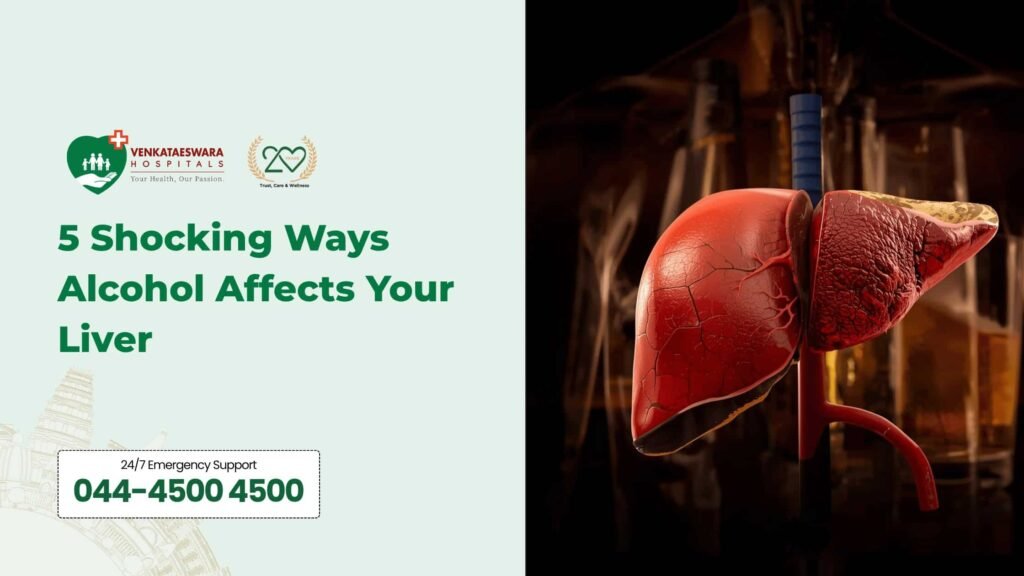
5 Shocking Ways Alcohol Affects Your Liver

5 Shocking Ways Alcohol Affects Your Liver Introduction Alcohol is often considered a part of social life, but many underestimate its effects on the liver. Understanding alcohol effects on liver is crucial for protecting your overall health and avoiding long-term complications. The liver is the primary organ responsible for processing alcohol, and excessive intake can lead to conditions ranging from fatty liver to life-threatening cirrhosis and even liver cancer. The consequences of alcohol abuse extend beyond physical discomfort; they can impact your energy levels, immunity, and long-term organ health. This article explores 5 shocking ways alcohol affects your liver, provides practical liver health tips, and shares effective strategies to prevent liver damage from alcohol. Following these expert recommendations can help maintain optimal liver function, prevent alcohol-related liver problems, and improve your overall quality of life. 1. Fatty Liver from Alcohol One of the earliest signs of liver damage is fat accumulation in liver cells, known as fatty liver. Even moderate alcohol intake can trigger this condition over time. Fatty liver is often asymptomatic, but if left unaddressed, it can progress to inflammation, scarring, or more severe liver disorders. Tips to prevent fatty liver: Limit alcohol consumption and avoid binge drinking. Incorporate a kidney- and liver-friendly diet rich in vegetables, fruits, and whole grains. Follow healthy liver habits, such as staying hydrated and exercising regularly. Consult the Diet & Nutrition Experts at Vengataeswara Hospital for a personalized nutrition plan. Recognizing the early signs of fatty liver is essential for prevention. Regular liver function tests can help detect fat accumulation before irreversible damage occurs. 2. Alcoholic Hepatitis Symptoms Chronic alcohol consumption can cause alcoholic hepatitis, a serious inflammatory condition of the liver. This condition can be mild or severe and may become life-threatening if left untreated. Common alcoholic hepatitis symptoms include: Jaundice (yellowing of skin and eyes) Abdominal pain and swelling Fatigue, nausea, and loss of appetite Preventing alcoholic hepatitis requires moderation and awareness. Regular check-ups can help detect liver inflammation early, and following alcohol and liver disease prevention strategies can reduce risk. Alcoholic hepatitis can sometimes progress to cirrhosis if alcohol abuse continues. Early intervention and lifestyle changes are key to reversing damage and maintaining liver health. 3. Cirrhosis Due to Alcohol Cirrhosis occurs when healthy liver tissue is replaced with scar tissue, reducing liver functionality. Chronic alcohol abuse is a major contributor to cirrhosis. This condition can lead to severe complications, including liver failure. Signs of cirrhosis due to alcohol: Swelling in legs and abdomen Easy bruising or bleeding Fatigue and digestive issues Preventive measures include avoiding binge drinking, eating a liver-friendly diet, and regular monitoring. Our Gastroenterology & Hepatology Specialists offer comprehensive care to detect early cirrhosis and manage liver health effectively. Cirrhosis can sometimes develop silently, which is why routine liver screenings are essential, especially for individuals with a history of heavy alcohol consumption. 4. Increased Risk of Liver Cancer Long-term alcohol consumption significantly increases the risk of liver cancer, especially in individuals with pre-existing liver damage. The progression from fatty liver and hepatitis to cancer emphasizes the importance of early prevention and intervention. Preventive tips include: Regular liver screenings and diagnostic tests Limiting or eliminating alcohol consumption Adopting healthy liver habits, including regular exercise and proper hydration For advanced monitoring and preventive care, visit the Liver Care Clinic at Vengataeswara Hospital to receive professional guidance and support. 5. Impaired Liver Detox from Alcohol The liver has a natural ability to regenerate and detoxify the body, but alcohol interferes with this vital process. Continuous alcohol exposure slows recovery from liver injury and increases vulnerability to further damage. Ways to support liver detox and maintain liver health: Abstain or limit alcohol intake Eat a nutrient-rich diet with fruits, vegetables, and whole grains Stay hydrated and exercise regularly Follow expert liver detox and wellness tips Supporting liver regeneration through healthy habits can dramatically reduce the risk of serious conditions and improve overall metabolic health. Conclusion Alcohol can have shocking effects on your liver, from fatty liver to cirrhosis and liver cancer. Early intervention, moderation, and lifestyle changes are essential to maintaining long-term liver health. By implementing liver health tips, following preventive strategies, and consulting medical experts, you can avoid alcohol-related liver problems. At Vengataeswara Hospital, our team provides comprehensive care, screening, and personalized guidance to ensure your liver stays healthy. Take action today and schedule a consultation at Vengataeswara Hospital. Frequently Asked Questions 1. How does alcohol affect the liver?  Alcohol disrupts normal liver function, causing fat accumulation, inflammation, scarring, and increasing the risk of liver disease. 2. What organ does alcohol affect the most?  The liver is primarily affected, although alcohol can also damage the heart, pancreas, and brain with prolonged use. 3. Can liver damage from alcohol be reversed?  Early-stage damage like fatty liver can improve with lifestyle changes, abstinence, and proper medical guidance. 4. What are the early signs of liver damage?  Symptoms include jaundice, fatigue, abdominal pain, nausea, and loss of appetite. 5. How can I prevent liver damage from alcohol?  Limit alcohol intake, maintain a balanced diet, exercise regularly, stay hydrated, and consult medical professionals for monitoring.  Alcohol disrupts normal liver function, causing fat accumulation, inflammation, scarring, and increasing the risk of liver disease. The liver is primarily affected, although alcohol can also damage the heart, pancreas, and brain with prolonged use. Early-stage damage like fatty liver can improve with lifestyle changes, abstinence, and proper medical guidance.  Symptoms include jaundice, fatigue, abdominal pain, nausea, and loss of appetite.  Limit alcohol intake, maintain a balanced diet, exercise regularly, stay hydrated, and consult medical professionals for monitoring.

Kidney stone prevention
Nephrology

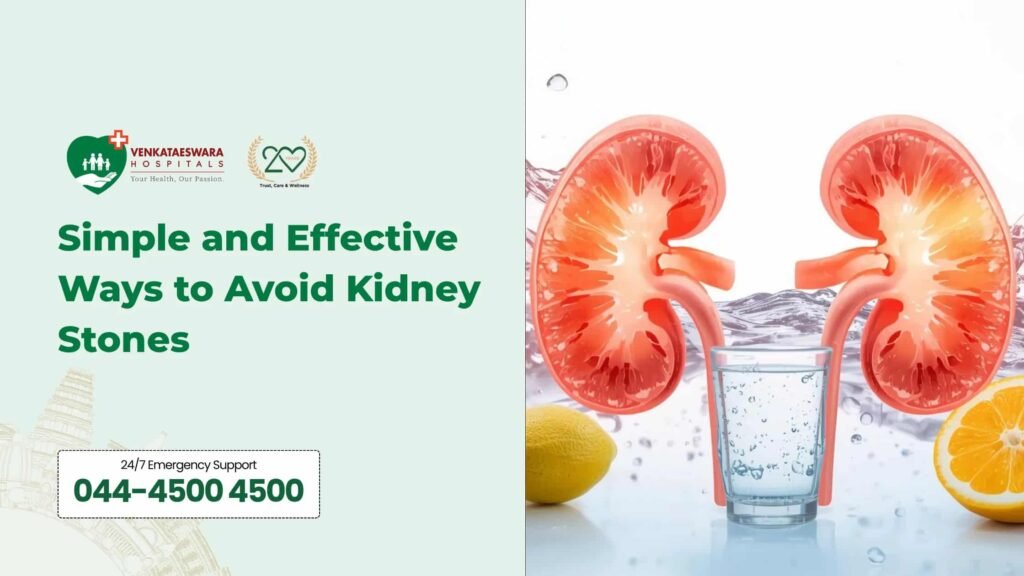
Simple and Effective Ways to Avoid Kidney Stones

Simple and Effective Ways to Avoid Kidney Stones Introduction Kidney stones are one of the most common urinary problems today, often caused by poor dietary habits, dehydration, and certain lifestyle choices. Understanding kidney stone prevention is essential to maintain kidney health and avoid painful episodes. The good news is that there are simple and effective ways to avoid kidney stones, ranging from proper hydration and a kidney stone prevention diet to regular exercise and mindful food choices. By following these practical steps, you can reduce the risk of stones, improve overall kidney function, and enjoy a healthier life. Doctors at Vengataeswara Hospital provide expert healthy kidney tips to guide you through prevention strategies. What Are Kidney Stones? Kidney stones are hard deposits of minerals and salts that form in the kidneys. They can cause severe pain when passing through the urinary tract, along with symptoms like nausea, frequent urination, or blood in the urine. While genetics and some medical conditions may contribute, lifestyle factors such as diet, hydration, and activity level play the most significant role in how to prevent kidney stones. By understanding these triggers, you can take proactive steps to reduce the risk of stone formation. Stay Hydrated – The First Step in Kidney Stone Prevention Drink at least 2.5–3 liters of water daily to flush out toxins and prevent crystal buildup in the urine.  Add lemon juice to water for natural citrate, which helps prevent stones. Avoid sugary drinks, sodas, and energy drinks that may increase the risk of kidney stones. Maintain consistent hydration throughout the day, not just in the morning. For expert advice, explore healthy hydration habits from Vengataeswara Hospital. Choose the Right Diet – What Foods Cause Kidney Stones? Diet is a major factor in kidney stone prevention. Certain foods promote stone formation, while others help protect your kidneys. Foods to Avoid with Kidney Stones High-oxalate foods such as spinach, beets, nuts, and chocolate. Excessive animal protein like red meat, eggs, and seafood. Processed and salty foods that increase the risk of stone formation. Best Diet to Prevent Kidney Stones Include fresh fruits and vegetables to maintain urinary health. Add calcium-rich foods like low-fat dairy, which bind oxalate and reduce stone formation. Incorporate whole grains and high-fiber foods to support kidney function. For a personalized kidney stone prevention diet, visit Vengataeswara Hospital for professional guidance. Maintain a Healthy Weight and Active Lifestyle Engage in 30 minutes of daily walking or light cardio to support kidney function. Practice yoga or stretching exercises such as Pavanamuktasana to enhance urinary health. Avoid sedentary habits that may alter urinary chemistry and increase stone risk. Our Physiotherapy Department offers structured wellness plans to promote kidney health and overall fitness. Monitor Calcium and Sodium Intake Limit sodium intake to less than 2,300 mg per day to prevent calcium buildup in urine. Include calcium-rich foods like low-fat dairy instead of relying heavily on supplements. Avoid high-salt processed foods that can contribute to stone formation. For tailored advice, consult Diet & Nutrition Experts to create a kidney-friendly meal plan. How to Stop Kidney Stone Pain Immediately When a kidney stone forms, prompt action is crucial. Small stones may pass naturally with increased fluids, but larger stones can cause severe pain. Drinking plenty of water, taking prescribed pain relievers, and seeking medical attention if symptoms persist are key steps. Blood in the urine or intense discomfort requires immediate consultation. Our Urology Specialists at Vengataeswara Hospital provide advanced treatments and personalized care to relieve pain and prevent future stones. Conclusion Preventing kidney stones starts with simple lifestyle adjustments: staying hydrated, following a kidney stone prevention diet, and avoiding foods that trigger stone formation. Even small, consistent changes can make a significant difference in kidney health. At Vengataeswara Hospital, our experts offer personalized care, nutrition guidance, and advanced urology treatments to ensure your kidneys remain healthy. Take the first step toward kidney health today by scheduling a consultation at Vengataeswara Hospital. Frequently Asked Questions 1. What foods cause kidney stones?  High-oxalate foods such as spinach, beets, nuts, and chocolate can lead to kidney stones if consumed excessively. 2. How can I prevent kidney stones naturally?  Drink sufficient water, limit salt and animal protein intake, and include calcium-rich foods in your diet. 3. What should I eat if I have a kidney stone history? Follow a kidney stone prevention diet rich in fruits, vegetables, and whole grains while avoiding processed and high-sodium foods. 4. Does drinking lemon water help prevent kidney stones? Yes. Lemon water contains citrate, which helps reduce stone formation by preventing calcium from binding with other minerals that cause stones. 5. When should I see a doctor for kidney stone symptoms? You should see a doctor if you experience severe back or abdominal pain, blood in urine, nausea, vomiting, or painful urination — these may be signs of kidney stones or urinary tract issues.  High-oxalate foods such as spinach, beets, nuts, and chocolate can lead to kidney stones if consumed excessively. Drink sufficient water, limit salt and animal protein intake, and include calcium-rich foods in your diet. Follow a kidney stone prevention diet rich in fruits, vegetables, and whole grains while avoiding processed and high-sodium foods. Yes. Lemon water contains citrate, which helps reduce stone formation by preventing calcium from binding with other minerals that cause stones. You should see a doctor if you experience severe back or abdominal pain, blood in urine, nausea, vomiting, or painful urination — these may be signs of kidney stones or urinary tract issues.

Silent Heart Attack
Cardiology

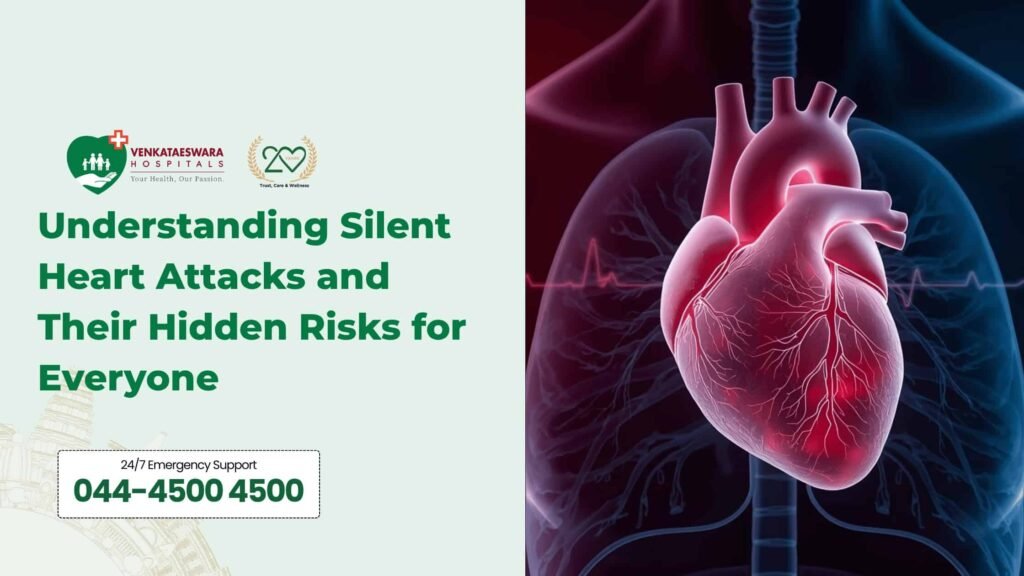
Understanding Silent Heart Attacks and Their Hidden Risks for Everyone

Understanding Silent Heart Attacks and Their Hidden Risks for Everyone Introduction Silent heart attacks, also known as silent myocardial infarctions, are a dangerous form of heart attack that can occur without obvious symptoms. Unlike typical heart attacks, which often involve intense chest pain and discomfort, silent heart attacks may go unnoticed, putting your cardiovascular health at serious risk. Many people wonder, Can you have a heart attack and not know it? or think, I had a heart attack, but now I feel fine.Understanding silent heart attack symptoms, recognizing cardiovascular risk factors, and taking preventive measures is crucial for protecting your heart. This guide explores silent heart attack causes, warning signs, early detection methods, and prevention strategies to help you maintain long-term heart health. What is a Silent Heart Attack and How It Differs from Typical Heart Attacks A silent heart attack occurs when blood flow to the heart is blocked, but the symptoms are mild, atypical, or completely absent. Unlike a typical heart attack, which produces crushing chest pain, silent heart attacks may only cause minor discomfort or no symptoms at all. Silent heart attack symptoms may include unexplained fatigue, mild shortness of breath, or slight discomfort in the jaw, neck, back, or arm. People often only discover they had a silent heart attack during routine checkups, ECGs, or cardiac imaging. Understanding the difference between a heart attack without symptoms and a typical heart attack is essential for early detection and timely intervention. Recognizing Silent Heart Attack Symptoms That Are Often Overlooked Silent heart attack symptoms are often subtle and easily dismissed. Some individuals experience mild fatigue, brief chest discomfort, indigestion, or lightheadedness without realizing the severity. Mini heart attack symptoms can be mistaken for stress, minor illness, or normal tiredness. Recognizing these silent heart attack warning signs early is critical to preventing serious heart complications. Paying attention to these subtle signals, especially if you have existing cardiovascular risk factors, can save your life. For further guidance, check our heart health tips to stay proactive. Causes and Risk Factors of Silent Heart Attacks Everyone Should Know About Silent heart attacks share many causes with regular heart attacks. Plaque buildup in coronary arteries, high blood pressure, high cholesterol, diabetes, and smoking all contribute to the risk of a heart attack without symptoms. Lifestyle factors such as sedentary behavior, unhealthy diet, and excessive alcohol consumption increase the likelihood of silent heart attacks. Family history of heart disease also plays a significant role. Individuals with diabetes may experience muted symptoms, making silent heart attacks harder to detect. Learning how to prevent silent heart attacks through lifestyle adjustments and regular medical checkups is essential for long-term heart wellness. Early Detection Methods for Silent Heart Attacks to Prevent Serious Complications Early detection of silent heart attacks is crucial to prevent serious heart damage. Key methods include: Routine Checkups and ECGs: Regular electrocardiograms can detect silent heart attacks, even when symptoms are absent. Blood Tests for Heart Markers: Measuring cardiac enzymes can reveal heart muscle damage caused by silent heart attacks. Monitor Subtle Symptoms: Fatigue, mild chest discomfort, shortness of breath, or lightheadedness may be silent heart attack warning signs. Stress Testing: Stress or treadmill tests help identify reduced blood flow to the heart, indicating potential silent heart attack activity. Heart Imaging: Echocardiograms or cardiac MRIs provide detailed images of heart damage from a heart attack without symptoms. Detecting silent heart attacks early allows healthcare professionals to intervene promptly, reducing the risk of future complications. Combining early detection with awareness of cardiovascular risk factors improves long-term heart health outcomes. Prevention Strategies to Reduce the Risk of Silent Heart Attacks Effectively Preventing silent heart attacks involves maintaining a heart-healthy lifestyle. A balanced diet rich in fruits, vegetables, whole grains, and lean proteins supports cardiovascular health. Regular physical activity strengthens the heart, improves circulation, and helps control blood pressure and cholesterol. Additional preventive measures include quitting smoking, managing stress through meditation or relaxation techniques, and controlling chronic conditions such as diabetes, high blood pressure, and high cholesterol. Awareness of silent heart attack causes and symptoms, coupled with these lifestyle adjustments, significantly lowers the risk of heart attacks without symptoms. For more detailed guidance, read our comprehensive guide on preventing silent heart attacks. Conclusion Silent heart attacks are a hidden threat that can occur without noticeable symptoms. Recognizing silent heart attack symptoms, understanding your risk factors, and adopting preventive measures are crucial steps for protecting your heart. Regular checkups, early detection, and lifestyle changes can save lives. Don’t wait until severe symptoms appear. Always consult a cardiologist if you are at risk, and start implementing heart-healthy habits today. Prioritizing your cardiovascular wellness and spreading awareness about silent heart attacks can help protect your loved ones as well. Frequently Asked Questions 1.Can you have a heart attack and not know it? Yes, silent heart attacks can occur without noticeable symptoms, making early detection critical. 2.What are the mini heart attack symptoms? Mild fatigue, jaw or chest discomfort, and shortness of breath are common subtle indicators. 3.How is a silent heart attack diagnosed? Through ECGs, blood tests, echocardiograms, or cardiac imaging during routine checkups. 4.What is the life expectancy after a silent heart attack?  With proper detection, treatment, and lifestyle changes, individuals can maintain a healthy life expectancy. 5.What is a silent heart attack?  A silent heart attack is a heart attack that occurs with minimal or no obvious symptoms, often detected later through tests. Yes, silent heart attacks can occur without noticeable symptoms, making early detection critical. Mild fatigue, jaw or chest discomfort, and shortness of breath are common subtle indicators. Through ECGs, blood tests, echocardiograms, or cardiac imaging during routine checkups. With proper detection, treatment, and lifestyle changes, individuals can maintain a healthy life expectancy. A silent heart attack is a heart attack that occurs with minimal or no obvious symptoms, often detected later through tests.

heart health
Cardiology

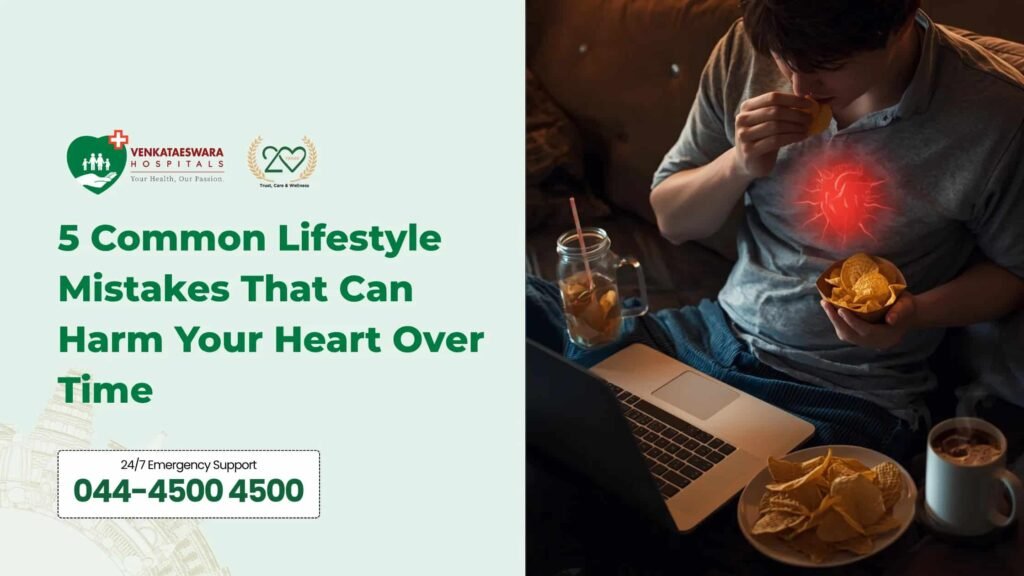
5 Common Lifestyle Mistakes That Can Harm Your Heart Over Time

5 Common Lifestyle Mistakes That Can Harm Your Heart Over Time Introduction Your heart is the engine of your body, beating tirelessly to keep you alive. Yet, many of us unknowingly make daily choices that slowly weaken this vital organ. The damage doesn’t happen overnight it builds up silently over years, eventually showing up as high blood pressure, blocked arteries, or even a heart attack. According to the World Health Organization, cardiovascular diseases remain the leading cause of death worldwide, but most of these cases are preventable. At Venkataeswara Hospital, Chennai, our cardiology specialists often see patients who wish they had acted earlier. The truth is, you can protect your heart by avoiding common lifestyle mistakes and making small but powerful changes. In this blog, we explore 5 lifestyle mistakes damaging heart health and provide practical solutions to help you prevent heart disease and lead a healthier life. 1. Poor Diet Choices The Silent Threat A diet high in processed foods, fried snacks, sugar, and excessive salt silently damages the heart. These foods raise cholesterol, trigger obesity, and increase blood pressure leading to long-term risks. Poor diet is one of the main high cholesterol and heart risk factors. Heart Health Tip: Focus on fruits, vegetables, whole grains, lean protein, and healthy fats. Even small changes, like cutting down on salt or sugary drinks, can lower your heart risk naturally. You can consult our diet and nutrition counseling service for a personalized plan tailored to your heart health. 2. Lack of Physical Activity Sitting for long hours weakens your heart muscles and slows circulation. Inactivity contributes to obesity heart problems, diabetes, and hypertension. A sedentary lifestyle is one of the biggest lack of exercise effects on heart. Heart Health Tip: Aim for at least 30 minutes of physical activity five days a week. Walking, yoga, swimming, or light exercises at home can significantly improve circulation and strengthen your heart. Our physiotherapy and rehabilitation team provides customized programs for patients recovering from illness or surgery. 3. Stress Overload – The Hidden Risk Factor Not all heart attacks come with crushing chest pain. In fact, some are silent and occur with subtle or unusual symptoms. These 6 silent heart attack symptoms include mild chest discomfort, flu-like feelings, fatigue, dizziness, lightheadedness, and intermittent pain. Such symptoms are often mistaken for stress, gastric issues, or muscle strain.The challenge with these silent indicators is that people delay seeking medical care. For example, chest pain vs heartburn confusion can cause dangerous delays. These are truly heart attack warning signs to never ignore. If you experience recurring or unexplained discomfort, it is always safer to consult a cardiologist immediately. 4. Smoking and Excessive Alcohol – Double Trouble Smoking directly damages blood vessels and reduces oxygen supply, while alcohol weakens the heart muscle and raises high blood pressure causes. Together, these habits dramatically increase the risk of heart disease. Heart Health Tip: Quitting smoking and limiting alcohol intake are the most effective steps to protect your heart. Our cardiology services offer support programs to help patients reduce these risks and monitor their cardiovascular health closely. 5. Poor Sleep Habits Many people underestimate the importance of sleep for sleep and heart health. Sleeping less than 6 hours or having irregular sleep patterns can increase blood pressure, weight gain, and risk of diabetes all of which stress the heart. Heart Health Tip: Aim for 7–9 hours of quality sleep. Maintain a consistent sleep schedule and avoid screens before bedtime. Our preventive health check-ups help detect lifestyle-related risks early and provide guidance on improving sleep habits. Conclusion simple changes, such as improving diet, moving more, managing stress, avoiding harmful habits, and prioritizing sleep, can significantly prevent heart disease and improve overall health. At Venkataeswara Hospital, Chennai, we provide comprehensive care through cardiac rehabilitation, diabetes & hypertension care, and preventive heart care programs to help patients stay strong and live healthier lives. Start taking steps today your heart deserves it. Frequently Asked Questions 1. What are the early warning signs of heart issues?  Unusual fatigue, dizziness, chest pain, and shortness of breath may indicate underlying heart disease. 2. How can I improve my heart health naturally?  Eat clean, exercise regularly, manage stress, sleep well, and avoid smoking and alcohol. 3. Does Venkataeswara Hospital offer preventive programs?  Yes. We provide preventive health check-ups, lifestyle counseling, physiotherapy, and diet support to protect your heart. 4. What dietary habits are most harmful to the heart? Eating too much salt, sugar, and unhealthy fats, or consuming processed and fried foods, can lead to plaque buildup in arteries and increase the risk of heart attack and stroke. 5. How can I improve my heart health naturally? You can improve heart health by eating a balanced diet, exercising regularly, avoiding smoking and alcohol, managing stress, and getting adequate sleep. Regular heart checkups also help in early detection of risks.  Unusual fatigue, dizziness, chest pain, and shortness of breath may indicate underlying heart disease. Eat clean, exercise regularly, manage stress, sleep well, and avoid smoking and alcohol. Yes. We provide preventive health check-ups, lifestyle counseling, physiotherapy, and diet support to protect your heart. Eating too much salt, sugar, and unhealthy fats, or consuming processed and fried foods, can lead to plaque buildup in arteries and increase the risk of heart attack and stroke. You can improve heart health by eating a balanced diet, exercising regularly, avoiding smoking and alcohol, managing stress, and getting adequate sleep. Regular heart checkups also help in early detection of risks.

Liver Health Diet
Liver

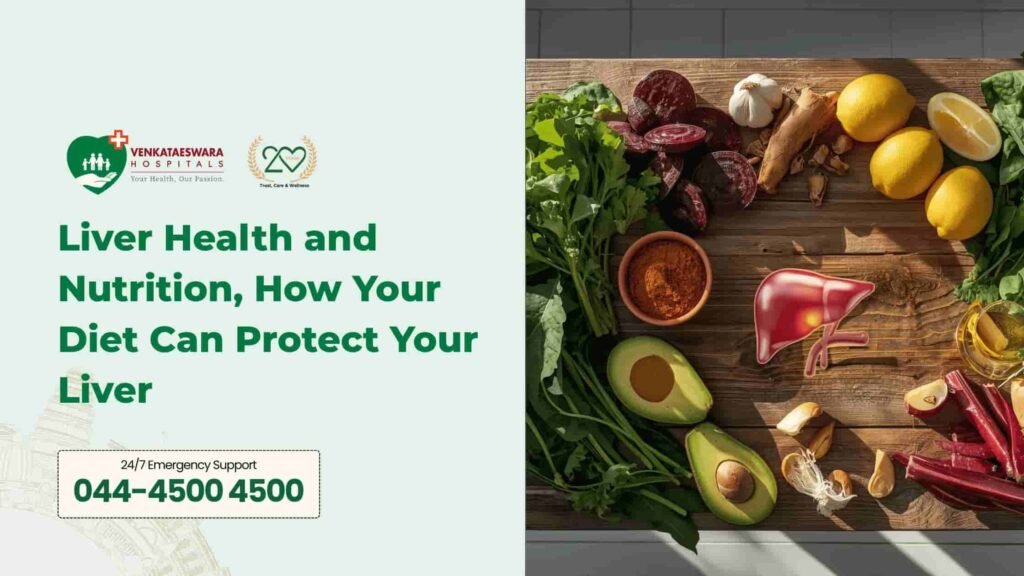
Liver Health and Nutrition How Your Diet Can Protect Your Liver

Liver Health and Nutrition,How Your Diet Can Protect Your Liver Introduction The liver is one of the most vital organs in the human body, responsible for detoxification, metabolism, and nutrient processing. Maintaining a healthy liver is essential for overall wellness, and following a proper liver health diet can significantly reduce the risk of liver-related illnesses such as fatty liver, hepatitis, and cirrhosis. Regular monitoring through a preventive health checkup at Venkataeswara Hospital and incorporating foods for healthy liver can help ensure the liver functions optimally. Along with lifestyle changes, diet plays a critical role in keeping the liver strong and disease-free. Why Diet Matters for Liver Health A good liver health diet is crucial for maintaining liver function. The liver metabolizes nutrients, filters toxins, and supports digestion. Poor eating habits, excessive alcohol intake, and fried or processed foods can overload the liver, causing fat accumulation and inflammation. Consulting with liver nutrition services helps you design a diet tailored to your liver’s needs. Consuming liver-friendly foods like leafy greens, cruciferous vegetables, berries, and nuts can support detoxification and overall wellness. Morning Nutrition for Liver Support Starting your day with liver-friendly foods boosts detoxification and metabolism. Include leafy greens, berries, nuts, seeds, and citrus fruits in your breakfast to provide essential vitamins, minerals, and antioxidants. For meal ideas, healthy breakfast options suggested by experts at Venkataeswara Hospital can help your liver flush out toxins efficiently. A morning smoothie with spinach, kale, and berries provides sustained energy and supports overall liver health. Evening Nutrition and Liver Care Evening meals should be light and nutrient-rich to minimize liver strain. Incorporate steamed vegetables, lean proteins, and whole grains such as quinoa or brown rice for optimal digestion. Avoid fried or high-sugar foods in the evening. Following liver-friendly dinner tips helps the liver perform detoxification naturally at night and supports better metabolism and long-term liver wellness. How to Choose the Best Foods for Your Liver Choosing the right foods is essential for an effective liver health diet. Incorporate the following: Liver detox foods: garlic, turmeric, green tea, broccoli, cabbage Fatty liver diet plan foods: low in saturated fat and processed sugar Healthy liver snacks: almonds, walnuts, fresh fruits, seeds Foods to avoid: alcohol, fried foods, processed sugar, high-fat items Following a structured fatty liver diet plan can prevent liver disorders. Experts at Venkataeswara Hospital emphasize combining diet with lifestyle practices and regular monitoring for optimal liver health. Tips for Maintaining Liver Health Daily Consistent daily habits are key to liver health: Stay hydrated: Drink plenty of water to flush out toxins Eat liver-friendly foods: Include leafy greens, berries, nuts, and antioxidant-rich foods Healthy liver snacks: Snack on almonds, walnuts, fresh fruits, and seeds Limit alcohol and processed foods: Reduce liver strain Maintain a healthy weight: Combine balanced meals with regular exercise Consider supplements if needed: Use liver health supplements under guidance For more guidance on liver health supplements, experts at Venkataeswara Hospital provide personalized recommendations to improve liver function and overall wellness. Common Mistakes to Avoid Skipping meals, following fad detox diets, or consuming excessive fried and fatty foods can harm liver health. Overconsumption of alcohol is a major risk factor for liver disease. Ignoring regular liver check-ups or using unverified supplements can prevent early detection of liver problems. For expert advice, consult liver guidance services at Venkataeswara Hospital to ensure your liver stays healthy. Most importantly, scheduling a cardiologist consultation in Chennai at Venkataeswara Hospital ensures personalized care tailored to your medical history and lifestyle. Regular follow-ups help reduce the risk of future attacks and keep your heart in the best possible health. Conclusion A balanced liver health diet, combined with daily healthy habits, can significantly improve liver function, prevent disease, and enhance overall wellness. Including liver-friendly foods, avoiding harmful choices, and adopting preventive practices are essential.Book an appointment at Venkataeswara Hospital through their contact page to receive expert guidance on diet, lifestyle, and liver health monitoring. Begin today with mindful dietary choices to protect your liver naturally. Frequently Asked Questions 1. What are the best foods for liver detox?  Leafy greens, garlic, turmeric, green tea, berries, and nuts are excellent for natural liver detoxification. 2. Can lifestyle changes alone improve liver health? Yes, combining proper diet, hydration, exercise, and limiting alcohol significantly improves liver function. 3. How often should I check my liver health? Annual liver function tests are recommended, especially for individuals at risk of fatty liver or liver disease. 4. Can drinking water improve liver health? Yes. Staying well-hydrated helps the liver flush out toxins and metabolize nutrients effectively. Drinking enough water daily supports all liver functions. 5. How can I naturally detox my liver through diet? Include cruciferous vegetables (broccoli, cabbage), beets, lemon water, green tea, and high-fiber foods in your diet. These help the liver cleanse itself naturally and improve overall liver performance.  Leafy greens, garlic, turmeric, green tea, berries, and nuts are excellent for natural liver detoxification. Yes, combining proper diet, hydration, exercise, and limiting alcohol significantly improves liver function. Annual liver function tests are recommended, especially for individuals at risk of fatty liver or liver disease. Yes. Staying well-hydrated helps the liver flush out toxins and metabolize nutrients effectively. Drinking enough water daily supports all liver functions. Include cruciferous vegetables (broccoli, cabbage), beets, lemon water, green tea, and high-fiber foods in your diet. These help the liver cleanse itself naturally and improve overall liver performance.

trigeminal neuralgia
Neurology

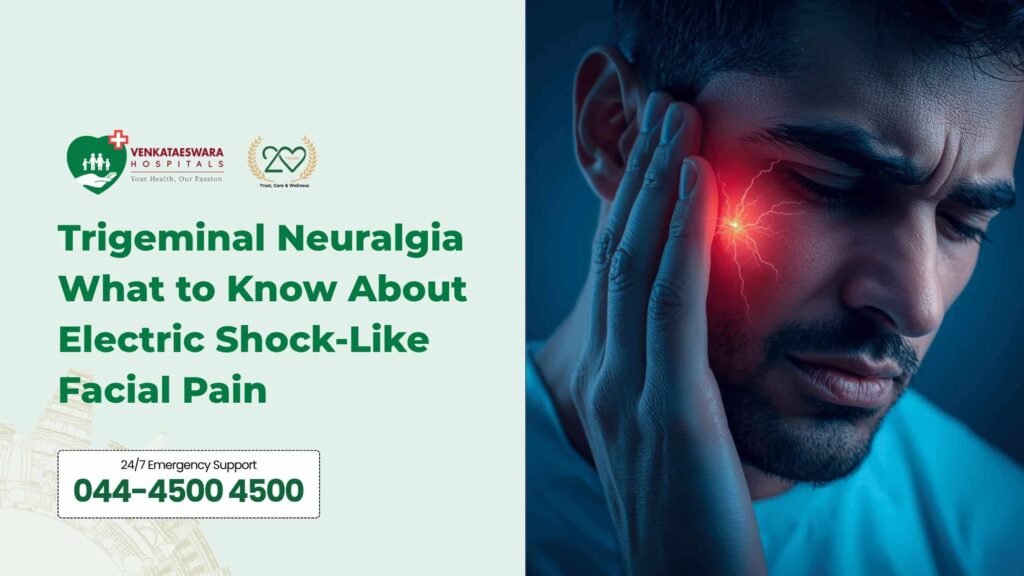
Trigeminal Neuralgia Explained What to Know About Electric Shock-Like Facial Pain

Trigeminal Neuralgia What to Know About Electric Shock-Like Facial Pain Introduction Trigeminal neuralgia is a chronic neurological disorder causing sudden, severe, electric shock facial pain. The trigeminal nerve, which transmits sensations from the face to the brain, becomes irritated or compressed, leading to stabbing or shooting pain in areas such as the jaw, cheek, or eye. Also referred to as tic douloureux or neuralgia del trigemino, trigeminal neuralgia can disrupt daily activities like talking, chewing, brushing teeth, or even exposure to a light breeze. The pain is usually unilateral, affecting only one side of the face, and can significantly impact emotional well-being. Understanding trigeminal neuralgia symptoms and trigeminal neuralgia causes is essential for timely diagnosis. Patients can benefit from a combination of trigeminal neuralgia medication, minimally invasive procedures, and lifestyle modifications to reduce chronic facial pain and restore normal functioning. What Is Trigeminal Neuralgia? Trigeminal neuralgia, also known as neuralgia del trigemino, affects the trigeminal nerve the fifth cranial nerve responsible for transmitting sensory information from the face to the brain. The hallmark is sudden, intense, electric shock facial pain lasting seconds to minutes. Unlike typical facial pain, the discomfort is sharp, stabbing, and often occurs in rapid bursts. Trigeminal neuralgia is frequently misdiagnosed as dental problems or sinus issues. Accurate evaluation by a neurologist ensures correct diagnosis and proper trigeminal neuralgia treatments. Causes of Trigeminal Neuralgia Understanding what causes trigeminal neuralgia helps create effective treatment strategies. Common causes include: Blood vessel compression on the trigeminal nerve Multiple sclerosis (MS) causing nerve degeneration Facial trauma or surgery Tumors or cysts pressing on the nerve Other risk factors include age (more common in people over 50) and certain infections. Identifying the cause is crucial for choosing the right trigeminal neuralgia treatments. Recognizing the Symptoms Recognizing trigeminal neuralgia symptoms early improves treatment outcomes. Key signs include: Sudden, sharp, stabbing pain on one side of the face Pain triggered by touch, eating, speaking, or brushing teeth Pain-free intervals followed by repeated attacks Affected areas often include jaw, cheek, or eye Patients often describe the sensation as electric shock facial pain. A trigeminal neuralgia specialist can ensure accurate diagnosis and appropriate care. Treatment Options for Trigeminal Neuralgia Effective trigeminal neuralgia treatments include medications, minimally invasive procedures, and lifestyle adjustments. 1. Medication Trigeminal neuralgia medication such as carbamazepine and oxcarbazepine reduces nerve hyperactivity Muscle relaxants may relieve trigeminal nerve pain Regular monitoring ensures proper dosage and minimal side effects 2. Minimally Invasive Procedures Microvascular decompression relieves nerve pressure Gamma Knife surgery or radiofrequency ablation targets pain signals while preserving nerve function 3. Lifestyle & Pain Management Avoid triggers like sudden touch, cold air, or stress Gentle facial exercises and relaxation techniques Personalized care with a chronic pain management clinic Living with Trigeminal Neuralgia Living with trigeminal neuralgia can be challenging due to the unpredictable, sharp bursts of electric shock facial pain. Even routine activities like talking, chewing, or brushing teeth may trigger discomfort, making daily life stressful. However, with proper care and support, patients can significantly improve their quality of life. Following prescribed trigeminal neuralgia medication and attending regular check-ups with a neurologist or pain management specialist is essential for minimizing pain episodes. Lifestyle adjustments also play a crucial role. Avoiding known triggers, practicing gentle facial exercises, and managing stress with relaxation techniques can help reduce sudden facial pain. Supportive therapies and guidance from a chronic pain clinic empower patients to manage chronic facial pain effectively. With a structured plan, patients can regain confidence, maintain independence, and live comfortably despite the condition Conclusion Trigeminal neuralgia can be debilitating, but early recognition, accurate diagnosis, and expert care can bring relief. Combining medications, minimally invasive procedures, and lifestyle changes helps manage trigeminal nerve pain and reduces electric shock facial pain, enabling patients to resume normal activities. Frequently Asked Questions 1. What triggers trigeminal neuralgia attacks? Light touch, chewing, speaking, or cold air can trigger electric shock facial pain. 2. Can trigeminal neuralgia be cured? While not always curable, trigeminal neuralgia treatments provide significant relief. 3. When should I see a specialist?  Seek help immediately if you experience repeated sudden facial pain affecting daily life. 4. What are the treatment options for trigeminal neuralgia? Treatment options include medications (like anticonvulsants and muscle relaxants), injections, or surgical procedures to relieve nerve pressure. In some cases, lifestyle changes and stress management can also help reduce attacks. 5. Can trigeminal neuralgia be cured permanently? While there is no guaranteed permanent cure, many patients find long-term relief through proper medication, surgery, or nerve therapy. Early diagnosis and consistent medical care can help manage symptoms effectively. Light touch, chewing, speaking, or cold air can trigger electric shock facial pain. While not always curable, trigeminal neuralgia treatments provide significant relief. Seek help immediately if you experience repeated sudden facial pain affecting daily life. Treatment options include medications (like anticonvulsants and muscle relaxants), injections, or surgical procedures to relieve nerve pressure. In some cases, lifestyle changes and stress management can also help reduce attacks. While there is no guaranteed permanent cure, many patients find long-term relief through proper medication, surgery, or nerve therapy. Early diagnosis and consistent medical care can help manage symptoms effectively.

Cancer Screenings Over 40
Cancer

Empower Your Health,The Top 5 Cancer Screenings for Individuals Over 40

Empower Your Health The Top 5 Cancer Screenings Every Individual Over 40 Should Know Introduction Maintaining health after 40 requires proactive measures, and cancer screenings over 40 are among the most important strategies for long-term wellness. As we age, the risk of developing various cancers increases, making early cancer detection crucial for improving treatment success and survival. Regular health checkups for adults help identify risks before symptoms appear, allowing timely intervention. Experts recommend combining routine cancer checks, preventive screenings, and age-specific health checkups to safeguard your health effectively. Following cancer screening guidelines ensures the right tests are done at the right time, maximizing early detection benefits. In this guide, we explore the top cancer tests recommended for individuals over 40, including screening for breast cancer, colon cancer, prostate cancer, and other essential preventive measures that support long-term wellness. Why Cancer Screenings Over 40 Are Crucial for Lifelong Health and Wellness Regular cancer screenings over 40 allow for early cancer detection, significantly improving treatment success rates. Many cancers develop silently without noticeable symptoms until advanced stages. By following cancer screening guidelines and conducting routine cancer checks, individuals can identify abnormalities early and access timely treatment. Healthcare experts emphasize that health screenings for women and men over 40 are essential for spotting risks such as breast cancer, colon cancer, and prostate cancer. These screenings are a vital part of age-specific health checkups, ensuring testing is tailored to individual risk factors. Combining cancer risk assessment with routine screenings provides a comprehensive approach to maintaining health after 40. The Top 5 Cancer Screenings Over 40 That Everyone Should Prioritize for Prevention 1. Screening for Breast Cancer to Detect Early Tumors in Women Over 40 For women, women health screening includes mammograms, which detect early-stage breast tumors. Health tips for over 40 emphasize annual mammograms, especially for those with a family history. Early detection improves survival rates and reduces treatment complexity. Regular breast cancer screening combined with clinical breast exams ensures maximum detection efficiency. 2. Screening for Colon Cancer to Prevent Advanced Disease in Adults Screening for colon cancer involves colonoscopy, stool tests, and sigmoidoscopy. Colon cancer risk increases after 40, making routine cancer checks essential. Early intervention through these preventive screenings can prevent progression and improve long-term outcomes. Adding colon cancer tests to your routine checkups enhances early detection and prevention strategies. 3. Screening for Prostate Cancer in Men to Detect Early-Stage Silent Cancer For men, prostate cancer testing using PSA blood tests and digital rectal exams is recommended. These recommended cancer tests can identify cancer early, allowing prompt treatment. Men over 40 should discuss cancer risk assessment with their healthcare provider to determine testing frequency. Incorporating routine health checkups alongside these screenings ensures comprehensive monitoring for other conditions as well. 4. Skin Cancer Screening to Identify Abnormal Growths Early in Adults Skin cancer risk rises with age and sun exposure. Health checkups for adults often include visual skin exams. Dermatologists examine moles, lesions, and abnormal growths. Regular skin checks are an essential part of cancer prevention over 40 and help with early cancer detection. Combining skin cancer screening with general checkups enhances early identification of suspicious lesions. 5. Cervical and Gynecologic Cancer Screening to Prevent Advanced Disease in Women Women over 40 should undergo Pap smears and HPV testing as part of women health screening. These health screenings for women help detect precancerous changes in cervical cells. Following cancer screening guidelines ensures timely detection and treatment. Including gynecologic health assessments in your routine strengthens preventive care for women. Additional Health Tips for Over 40 to Reduce Cancer Risks Effectively Beyond the top 5 screenings, adults should focus on general preventive screenings, including blood tests, cholesterol monitoring, and diabetes checks. Incorporating healthy lifestyle habits balanced diet, regular exercise, quitting smoking, and routine doctor visits—enhances cancer prevention over 40. Consulting a doctor for a cancer risk assessment helps personalize testing schedules and ensures all recommended cancer tests are included. Routine cancer checks, combined with lifestyle practices, offer the best protection for long-term wellness. Living with Cancer Screening Awareness to Stay Healthy After 40 Being proactive about cancer screenings over 40 empowers individuals to manage their health effectively. Regular routine cancer checks can catch early signs of breast cancer, colon cancer, prostate cancer, and cervical cancer, which may otherwise go unnoticed. Following cancer screening guidelines and maintaining age-specific health checkups reduces risks and supports overall wellness. Combining health tips for over 40 with regular preventive screenings ensures timely intervention and long-term health maintenance. Conclusion Cancer screenings over 40 are essential for maintaining good health and detecting disease early. By following cancer screening guidelines and undergoing routine cancer checks, individuals can prevent advanced-stage cancers and improve treatment outcomes. Screening for breast cancer, colon cancer, prostate cancer, cervical cancer, and skin exams are crucial components of age-specific health checkups. Combined with healthy lifestyle habits and regular preventive screenings, these tests empower individuals to take control of their health. Frequently Asked Questions 1. What are the most important cancer screenings after 40?  Key screenings include breast cancer, colon cancer, prostate cancer, cervical cancer, and skin cancer tests. 2. How often should adults over 40 get screened?  Frequency varies by risk; most cancer screening guidelines recommend annual or biennial checkups. 3. Can preventive screenings detect cancer before symptoms appear?  Yes. Early cancer detection through routine cancer checks significantly improves treatment outcomes. 4. Are cancer screenings painful or risky? Most screenings are quick, safe, and minimally uncomfortable. Some may involve mild discomfort, like a colonoscopy or mammogram, but they are vital for detecting cancer early when it’s most treatable. 5. Can lifestyle changes reduce the need for frequent screenings? Healthy habits like quitting smoking, eating a balanced diet, exercising regularly, and limiting alcohol can lower cancer risk, but they do not replace screenings. Regular checkups remain essential for early detection.  Key screenings include breast cancer, colon cancer, prostate cancer, cervical cancer, and skin cancer tests. Frequency varies by risk; most cancer screening guidelines recommend annual or biennial checkups. Yes. Early

Vascular Health
Cardiology

How Regular Exercise Enhances Vascular Health Key Benefits You Should Know

How Regular Exercise Enhances Vascular Health,Key Benefits You Should Know Introduction Your vascular health plays a vital role in keeping your body functioning at its best. It refers to the strength and flexibility of your blood vessels the arteries, veins, and capillaries that carry blood throughout your body. When these vessels are healthy, your heart, brain, and muscles receive the oxygen and nutrients they need to perform efficiently. At Vengateswara Hospital, doctors emphasize that regular exercise is one of the most powerful ways to support vascular health naturally. From walking and jogging to yoga or strength training, consistent physical activity enhances circulation, keeps your blood vessels clear, and reduces the risk of heart disease. Let’s explore the key benefits of exercise, why it’s vital for your cardiovascular system, and how even small workouts can protect your long-term heart health. 1. Exercise Improves Blood Circulation and Vascular Function Good vascular health begins with healthy blood circulation. When you engage in regular exercise or working out, your heart pumps blood more efficiently, delivering oxygen-rich nutrients to every part of your body. Aerobic exercises like brisk walking, cycling, or swimming help widen blood vessels, improve elasticity, and reduce plaque buildup in arteries. Over time, this strengthens your cardiovascular system and lowers the risk of hypertension and stroke. If you’re looking for expert guidance on managing your circulation and heart performance, explore the Cardiology Department at Vengateswara Hospital, where advanced cardiac diagnostics and treatments ensure your heart and vessels stay healthy. 2. Regular Physical Activity Strengthens the Heart Your heart is a muscle, and like any muscle, it becomes stronger with regular exercise. Activities such as jogging, aerobics, or stair climbing help improve cardiovascular fitness, enabling your heart to pump blood more efficiently with less effort. A stronger heart means more energy, better stamina, and a lower risk of developing coronary artery disease. That’s why physical activity is so important in preventing heart disease. To track your progress, consider scheduling a preventive heart checkup through the Health Checkup Packages at Vengateswara Hospital, a proactive way to monitor your heart’s health and performance. 3. Exercise Helps Regulate Blood Pressure and Cholesterol High blood pressure and cholesterol are major threats to vascular health. Regular exercising helps lower bad (LDL) cholesterol and increase good (HDL) cholesterol, keeping your arteries clear and flexible. Moreover, consistent physical activity reduces inflammation, which is a hidden cause of vascular damage. Even moderate workouts like yoga or cycling can stabilize blood pressure and improve heart function. To support your wellness goals, the Lifestyle Management Program at Vengateswara Hospital offers personalized plans that combine exercise, diet, and stress management for better vascular and heart health. 4. Exercise Boosts Hormone Balance and Blood Flow During exercise, the cardiovascular system helps move hormones throughout the body, especially those that support cell repair and vascular healing. This process enhances nutrient delivery to tissues and improves overall recovery after workouts. It also promotes nitric oxide production, a key molecule that helps blood vessels relax and maintain flexibility. This natural reaction keeps your circulatory system efficient and healthy. For those recovering from injuries or post-surgery, the Physiotherapy and Rehabilitation Department at Vengateswara Hospital helps patients safely return to activity while improving blood flow and joint mobility. 5. The Overall Benefits of Exercise on Vascular Health The benefits of exercise extend far beyond fitness. Regular workouts help: Maintain healthy blood circulation Control weight and blood sugar Strengthen immunity Reduce stress and anxiety (which can harm vascular health) Improve energy and longevity No matter your age, starting a simple exercise routine, even 30 minutes a day, can transform your health. Take your first step toward better vascular and heart wellness with a Comprehensive Health Checkup at Vengateswara Hospital. Conclusion Improving your vascular health starts with consistent movement. Regular exercise not only strengthens your heart and blood vessels but also enhances your overall well-being, energy, and longevity. Whether you enjoy walking, swimming, or yoga, every move counts toward a stronger cardiovascular system. Your body’s circulatory network thrives when you stay active, so start today and experience the life-changing benefits of regular exercise. Frequently Asked Questions 1. How does regular exercise improve vascular health? Regular exercise improves vascular health by enhancing blood circulation, increasing vessel elasticity, and reducing plaque buildup in arteries. Activities like walking, cycling, and swimming strengthen the heart and lower the risk of hypertension and stroke. 2. What types of exercise are best for maintaining healthy blood vessels? Aerobic exercises such as brisk walking, swimming, and cycling are best for vascular health. They promote oxygen-rich blood flow and support heart function. Strength training and yoga also help regulate blood pressure and improve overall cardiovascular performance. 3. Can exercise help control high blood pressure and cholesterol? Yes, regular physical activity helps lower bad cholesterol (LDL) and increase good cholesterol (HDL), keeping arteries clear. It also helps stabilize blood pressure and reduces inflammation, two key factors for maintaining good vascular and heart health. 4. How often should I exercise to support vascular and heart health? Experts recommend at least 30 minutes of moderate exercise five days a week. Consistency is key; even light workouts like walking or yoga can significantly improve vascular strength and long-term cardiovascular wellness. 5. Does exercise help people with existing vascular problems? Yes, under medical supervision. Regular exercise can improve circulation, reduce pain, and prevent further complications in people with conditions like peripheral artery disease or high blood pressure. Regular exercise improves vascular health by enhancing blood circulation, increasing vessel elasticity, and reducing plaque buildup in arteries. Activities like walking, cycling, and swimming strengthen the heart and lower the risk of hypertension and stroke. Aerobic exercises such as brisk walking, swimming, and cycling are best for vascular health. They promote oxygen-rich blood flow and support heart function. Strength training and yoga also help regulate blood pressure and improve overall cardiovascular performance. Yes, regular physical activity helps lower bad cholesterol (LDL) and increase good cholesterol (HDL), keeping arteries clear. It also helps stabilize blood pressure and reduces

Early Warning Signs of Heart Attack
Cancer

Early Warning Signs of Heart Attack Everyone Should Know

Early Warning Signs of Heart Attack Everyone Should Know Introduction Heart disease remains one of the leading causes of death worldwide, and understanding the early signs of a heart attack can literally save lives. Many people ignore subtle warnings, mistaking them for indigestion, stress, or fatigue. Unfortunately, these symptoms are often the body’s way of signaling that something is seriously wrong. Recognizing heart attack symptoms early, especially the pre-heart attack symptoms in males and females, can ensure timely medical care and prevent life-threatening consequences. To stay safe and informed, you can always seek expert guidance from Venkataeswara Hospital, one of Chennai’s trusted multispeciality hospitals. What Are the Early Signs of a Heart Attack? The most common early signs of a heart attack include chest discomfort, pressure, or pain that may feel like squeezing or heaviness. This sensation can spread to the shoulders, arms, neck, jaw, or back. Another important sign is shortness of breath and heart attack episodes, which can occur even without chest pain. Many patients also report extreme fatigue, which doctors recognize as a fatigue as heart attack symptom. Another overlooked warning is indigestion-like pain, which leads to confusion between chest pain vs heartburn. If chest discomfort does not improve with antacids or rest, it could be an early indicator of a heart problem. Ignoring these signals can be dangerous, so understanding these classic symptoms is the first step in taking timely action. Pre-Heart Attack Symptoms in Men and Women Men and women often experience heart attacks differently. In men, pre-heart attack symptoms often include chest pain, pressure, and left arm discomfort. Women, on the other hand, may have less obvious signs such as nausea, sweating, dizziness, or pain in the jaw, neck, or back. This makes heart attack symptoms in women more difficult to recognize and often leads to delayed treatment. Some patients experience jaw or arm pain heart attack sensations that come and go, while others may feel nausea or sweating before heart attack strikes. These subtle differences highlight the importance of raising awareness among both men and women so that no early signal is overlooked. Silent or Unusual Symptoms You Shouldn’t Ignore Not all heart attacks come with crushing chest pain. In fact, some are silent and occur with subtle or unusual symptoms. These 6 silent heart attack symptoms include mild chest discomfort, flu-like feelings, fatigue, dizziness, lightheadedness, and intermittent pain. Such symptoms are often mistaken for stress, gastric issues, or muscle strain.The challenge with these silent indicators is that people delay seeking medical care. For example, chest pain vs heartburn confusion can cause dangerous delays. These are truly heart attack warning signs to never ignore. If you experience recurring or unexplained discomfort, it is always safer to consult a cardiologist immediately. Why Early Detection Matters Acting quickly during a heart attack can mean the difference between life and death. The sooner medical intervention begins, the better the chances of reducing heart damage. This is why being aware of emergency steps for heart attack is crucial. If you suspect someone is having a heart attack, call emergency services immediately, keep the person calm, loosen tight clothing, and if prescribed, help them take aspirin or nitroglycerin while waiting for medical help.Equally important is seeking timely care from trusted specialists. Knowing the warning signs and reaching out to cardiology specialists in Chennai at Venkataeswara Hospital can ensure expert treatment and better recovery outcomes. Preventing and Managing Heart Attack Risks Prevention is always better than cure. While genetics play a role, lifestyle factors are equally important in reducing heart disease risk. To understand how to prevent a heart attack, focus on a balanced diet, regular exercise, stress management, and avoiding smoking or excessive alcohol. In Tamil Nadu, where urban lifestyles often lead to higher health risks, understanding heart disease risk factors in Tamil Nadu ( blog page ) is especially important. Sedentary habits, high stress, and unhealthy food choices increase the likelihood of cardiac issues. Regular health checkups and early consultations with cardiologists can go a long way in keeping the heart strong. Recovery and Long-Term Care For those who have already experienced a heart attack, recovery is a gradual process. Following your doctor’s advice, taking prescribed medications, and participating in cardiac rehabilitation programs are essential. Practical heart attack recovery tips include eating heart-healthy foods, engaging in safe physical activity, and managing stress effectively. Most importantly, scheduling a cardiologist consultation in Chennai at Venkataeswara Hospital ensures personalized care tailored to your medical history and lifestyle. Regular follow-ups help reduce the risk of future attacks and keep your heart in the best possible health. Conclusion A heart attack rarely comes without warning. By recognizing the early signs of a heart attack, both men and women can act quickly and seek medical help. From chest pain and shortness of breath to silent symptoms like fatigue, dizziness, or jaw pain, every signal matters. Awareness, early action, and preventive lifestyle choices are the keys to protecting heart health. If you or someone you know is experiencing these warning signs, don’t delay book a consultation with our cardiologists in Chennai today. Frequently Asked Questions 1.What are the first signs of a heart attack? The first signs usually include chest discomfort, shortness of breath, fatigue, and pain radiating to the arm, neck, or jaw. 2.How do heart attack symptoms differ in men and women? Men often feel chest pain and arm discomfort, while women may experience nausea, sweating, jaw pain, or dizziness. 3.Can heartburn feel like a heart attack? Yes, chest pain from heartburn can mimic a heart attack, but heart attack pain usually lasts longer and does not improve with antacids. 4.What should I do immediately if I suspect a heart attack? Call emergency services, stay calm, loosen tight clothing, and take aspirin if advised by a doctor while waiting for help. 5. How can I reduce my risk of a heart attack? Adopt a heart-healthy lifestyle eat a balanced diet, exercise regularly, avoid smoking and excess alcohol, manage stress, blood pressure,

Scroll to Top