jQuery(document).ready(function($){ $('nav a').filter(function(){ return $(this).text().trim() === 'Academic'; }).attr('target', '_blank'); });

vhospitals

Venkateswara Hospital

Cardiology

Off-Pump Coronary Artery Bypass Surgery
Cardiology

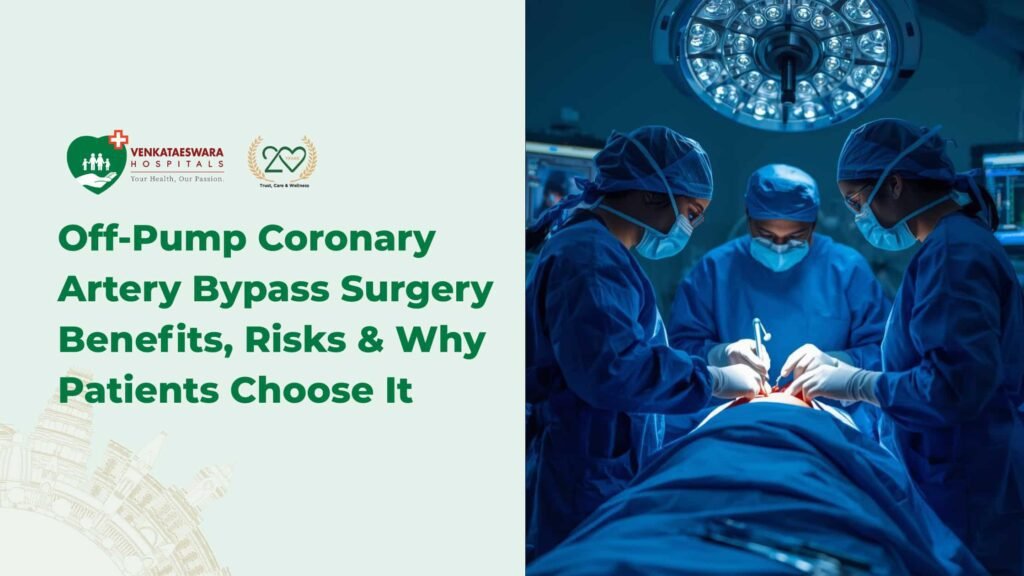
Off-Pump Coronary Artery Bypass Surgery Benefits, Risks & Why Patients Choose It

Off Pump Coronary Artery Bypass Surgery, Benefits, Risks & Why Patients Choose It Introduction Heart problems are becoming increasingly common in Chennai due to stressful lifestyles, diabetes, hypertension, unhealthy food habits, and hereditary factors. Many patients experience persistent chest pain, fatigue, shortness of breath, and discomfort while walking. even simple activities feel exhausting. In many such cases, doctors find one or more coronary arteries blocked during an angiogram. While some blockages can be treated with stents, others require bypass surgery for long-term safety. Traditionally, bypass surgery involved stopping the heart and using a heart-lung machine. But today, advancements in cardiac care have introduced a safer and more patient-friendly method:  complications, speeds up recovery, and offers better outcomes for high-risk patients. Off Pump Coronary Artery Bypass Surgery. a technique performed while the heart continues to beat. This modern approach reduces What Is Off-Pump Coronary Artery Bypass Surgery? Off Pump Coronary Artery Bypass Surgery  is a type of bypass procedure performed while the heart continues to beat naturally. Unlike traditional bypass surgery, the surgeon does NOT use a heart-lung machine. Instead, special stabilizing devices keep a small part of the heart steady while allowing the rest to beat normally. This method is particularly helpful for: ✔ Diabetic patients ✔ Elderly patients ✔ People with kidney or lung problems ✔ Patients with multiple medical conditions Benefits of Off-Pump Coronary Artery Bypass Surgery 1. Faster and Safer Recovery Because the heart is not stopped, the body experiences less stress. This speeds up recovery and reduces complications, especially for high-risk patients. 2. Lower Risk of Stroke and Kidney Issues Avoiding the heart-lung machine reduces inflammation, reduces chances of brain fog, and protects kidney function. 3. Reduced Bleeding Patients undergoing Off-Pump Coronary Artery Bypass Surgery  typically require fewer blood transfusions post-surgery. 4. Less Pain & Shorter Hospital Stay Many Chennai patients return home sooner when compared to x. 5. Ideal for High-Risk Patients People who are older, diabetic, or have multiple blockages often benefit most from OPCAB. Risks & Limitations : While safe, Off Pump Coronary Artery Bypass Surgery  may have limitations depending on: • Very complex multi-vessel blockages • Deeply placed arteries • Emergency heart conditions Your cardiac surgeon will decide the safest option after angiogram evaluation. Off-Pump vs On-Pump Bypass – Key Difference Factor Off-Pump CABG On-Pump CABG Heart Status Beating Stopped Machine Used No heart-lung machine Yes Recovery Faster Slightly longer Inflammation Less More Best For High-risk patients Complex blockages Why Patients in Chennai Prefer Off-Pump Coronary Artery Bypass Surgery Patients at VHospitals prefer Off Pump Coronary Artery Bypass Surgery  because: ✔ It provides safer outcomes ✔ Recovery is faster ✔ Fewer complications for diabetic/kidney-risk patients ✔ Less inflammation and fatigue post-surgery ✔ Natural heart rhythm is maintained When Should You Choose Off-Pump Surgery? You should discuss Off Pump Coronary Artery Bypass Surgery  if you have: • Severe coronary blockages • Diabetes • Kidney issues • COPD or lung disease • High surgical risk based on age or lifestyle VHospitals cardiothoracic surgeons provide a detailed evaluation to help choose the safest option. Conclusion Off Pump Coronary Artery Bypass Surgery  is a safe, advanced, and patient-preferred method for treating heart blockages, especially for high-risk patients. By avoiding the heart-lung machine, recovery is faster, complications are fewer, and long-term outcomes are positive. Chennai patients seeking expert heart care can trust the experienced cardiac team at Venkataeswara Hospitals  for world-class treatment, advanced technology, and compassionate care. Frequently Asked Questions 1. Is Off-Pump Bypass Surgery safer than traditional bypass? Yes. For many high-risk patients, OPCAB reduces stroke risk, bleeding, and recovery time. 2. Who is the ideal candidate for Off-Pump Coronary Artery Bypass Surgery? People with diabetes, kidney problems, or older age benefit most. 3. How long does recovery take after off-pump CABG? Most patients recover in 4–6 weeks with regular physiotherapy and follow-up care. 4. Is this surgery available in Chennai? Yes. VHospitals Chennai provides expert off-pump CABG with advanced technology and experienced surgeons. 5. Do I need lifelong medications after off-pump bypass? Yes. Anti-platelet, cholesterol, and BP medicines help maintain long-term heart health. Yes. For many high-risk patients, OPCAB reduces stroke risk, bleeding, and recovery time. People with diabetes, kidney problems, or older age benefit most. Most patients recover in 4–6 weeks with regular physiotherapy and follow-up care. Yes. VHospitals Chennai provides expert off-pump CABG with advanced technology and experienced surgeons. Yes. Anti-platelet, cholesterol, and BP medicines help maintain long-term heart health.
Signs your heart needs medical attention
Cardiology

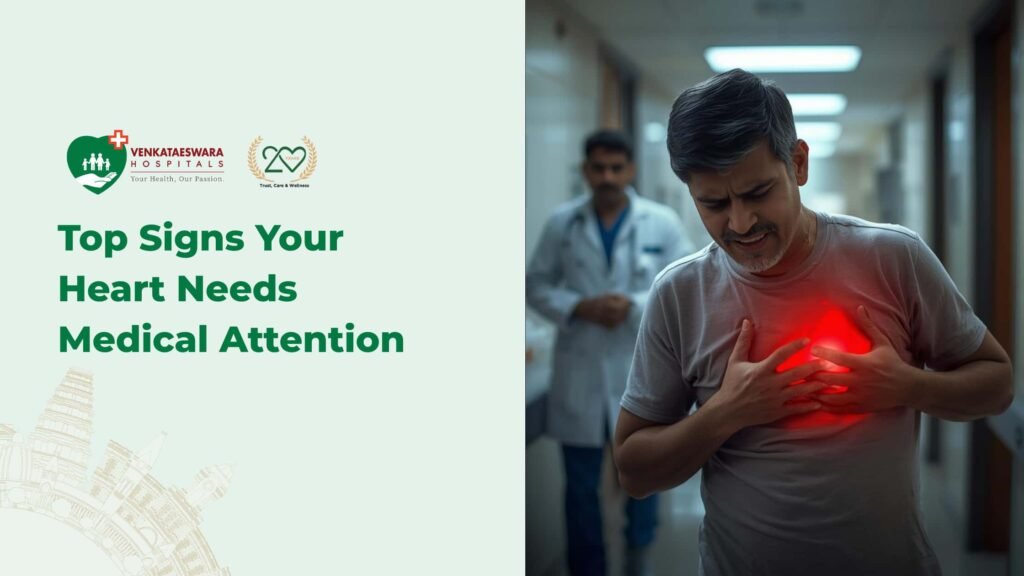
Top Signs Your Heart Needs Medical Attention

Top Signs Your Heart Needs Medical Attention Introduction Heart conditions rarely begin with a heart attack. In reality, the body sends several warning signals weeks or even months earlier. Recognizing the signs your heart needs medical attention early can prevent severe complications such as stroke, heart failure, or cardiac arrest. With rising lifestyle diseases in Chennai,such as diabetes, hypertension, stress, obesity, and inactivity.many adults and seniors are at increasing risk of heart problems. This medical guide explains the early warning signs of heart problems, the symptoms that need urgent care, and when to consult a cardiologist at Venkataeswara Hospitals, Chennai, a trusted center for advanced cardiac care. 1. Chest Discomfort or Pressure — The Most Critical Red Flag Chest pain is one of the strongest and most common symptoms of heart attack in adults. However, not all chest pain feels severe. Sometimes it appears as: Tightness Heaviness Pressure Burning sensation Pain radiating to the shoulder, arm, jaw, or back These are classic chest pain that needs medical attention, especially if the discomfort lasts more than five minutes or gets worse on walking. This may also indicate deeper issues such as early symptoms of heart failure or blockages in the coronary arteries. 2. Shortness of Breath — Difficulty Breathing Even at Rest Feeling breathless while climbing steps, lying flat, or during simple activities is one of the biggest shortness of breath warning signs related to heart trouble. When the heart weakens, fluid begins to accumulate in the lungs, making breathing difficult. Watch for: Sudden breathlessness at night Difficulty sleeping without extra pillows Tiredness during routine tasks These symptoms often appear before chest pain and may be linked to heart disease signs you should not ignore. 3. Palpitations, Irregular Heartbeat & Dizziness A healthy heart beats rhythmically. But if you experience: Rapid heartbeat Fluttering Skipped beats Sudden racing heart these may be signs of cardiac electrical disturbances called heart rhythm abnormalities. When these occur with dizziness or fainting, it becomes the more serious condition often described as heart palpitations and dizziness. Patients frequently ask, “Why does my heart feel weak?”  this is often because the heart’s chambers are not pumping efficiently. 4. Persistent Fatigue & Loss of Energy If you feel tired even after proper rest, especially during simple activities like walking or bathing, it may be fatigue related to heart issues. This type of fatigue indicates that the heart is struggling to supply oxygen-rich blood to the body. Common early signs include: Feeling drained throughout the day Unusual weakness even after mild exertion Poor stamina These are also heart health warning signals that should never be ignored. 5. Swelling in Legs, Ankles & Abdomen When the heart cannot pump efficiently, fluid accumulates in various parts of the body. This leads to swelling in legs heart-related, also called edema. Symptoms include: Tightness in footwear Puffiness around feet and ankles Abdominal bloating Rapid weight gain These signs often indicate early heart failure and require medical attention immediately. 6. High Blood Pressure & Related Complications Hypertension is a major threat because it damages the heart slowly and silently. High blood pressure complications include: Thickened heart muscles Reduced pumping efficiency Stroke Kidney damage Heart attack Since most adults in Chennai suffer from uncontrolled blood pressure, regular screening is essential. 7. Warning Signals Before Cardiac Arrest Cardiac arrest often occurs suddenly, but the body gives early alerts known as early signs of cardiac arrest, such as: Sudden extreme chest pain Severe breathlessness Collapse or unconsciousness No pulse Bluish lips or fingertips Immediate treatment is crucial. Call emergency services and rush to Venkataeswara Hospitals‘ Emergency Department without delay. Conclusion Your body speaks before your heart breaks. Understanding the signs your heart needs medical attention helps protect you from emergencies like heart attacks, stroke, and cardiac arrest. Never ignore symptoms like breathlessness, swelling, chest pressure, palpitations, or dizziness. Venkataeswara Hospitals, Chennai, provides expert cardiology care, 24/7 emergency support, and advanced diagnostic tests to ensure early, accurate treatment. Frequently Asked Questions 1. What are the first signs your heart needs medical attention?  Chest pressure, breathlessness, swelling, fatigue, and palpitations. 2. When should I see a cardiologist?  Whenever symptoms worsen or last longer than a few days. 3. Can heart problems occur without pain?  Yes. Breathlessness and fatigue are more common early symptoms. 4. What tests should I take for heart health?  ECG, echocardiogram, stress test, cholesterol profile. 5. Which is the best hospital in Chennai for heart checkups?  Venkataeswara Hospitals offers expert cardiology and emergency care.  Chest pressure, breathlessness, swelling, fatigue, and palpitations. Whenever symptoms worsen or last longer than a few days. Yes. Breathlessness and fatigue are more common early symptoms. ECG, echocardiogram, stress test, cholesterol profile. Venkataeswara Hospitals offers expert cardiology and emergency care.

Daily Habits That Damage Heart Health
Cardiology

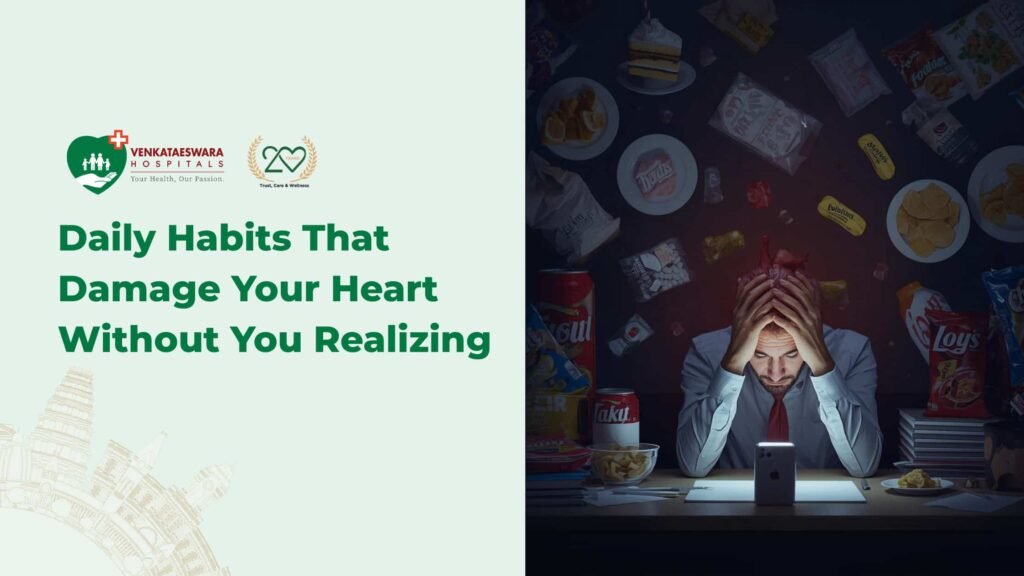
Daily Habits That Damage Your Heart Without You Realizing

Daily Habits That Damage Your Heart Without You Realizing Introduction Your heart works every second without asking for attention, yet many routine behaviors silently weaken it. These  daily habits that damage heart health more than we imagine. From poor sleep to excess sugar, stress, or long sitting hours simple everyday choices can lead to long-term heart problems without obvious symptoms in the beginning. Many people only question why is sugar bad for your heart or why is salt bad for your heart when they are already struggling with blood pressure, cholesterol, obesity, or fatigue. The good news? You can reduce heart disease risk by changing small habits. Following 7 habits for a healthy heart (similar to Life’s Simple 7 AHA) can reverse damage and keep your heart younger and stronger. Let’s uncover the daily habits that damage heart health and how to reverse them today. 1. Sitting Too Long Without Movement Long work hours and screen time force us to sit for hours without breaks. This leads to poor blood circulation, obesity, and increased cholesterol. Studies show prolonged sitting raises the risk of heart disease by 147%. How to fix it? Stand and stretch every 45 minutes Walk 5 minutes for every 1 hour Try yoga for heart disease like Tadasana or brisk walking Read our wellness insights on Physiotherapy for Stress Relief to ease body stiffness. 2. Overeating Sugar in Everyday Foods Most people don’t realize how much hidden sugar they consume in tea, snacks, bread, juices, coffee, or desserts. High sugar increases cholesterol, weight gain, and even heart inflammation, answering the question “why is sugar bad for your heart?” These are common daily habits that damage heart health in disguise. Healthy Swap Tips Replace desserts with fruits Switch from soda to lemon water Use jaggery in moderation 3. Excess Salt in Food Chips, pickles, packaged foods, restaurant dishes  all pack heavy salt. Too much salt increases blood pressure and damages arteries, revealing why is salt bad for your heart? Reduce Salt Without Losing Taste Use lemon, herbs, pepper for flavor Avoid pickles and fried snacks Switch to homemade foods 4. Lack of Sleep or Irregular Sleep Routine Less than 6 hours of sleep increases stress hormones, causing cholesterol, obesity, and hypertension. Poor sleep is one of the daily habits that damage heart health because it forces your heart to work harder even when resting. Make Sleep Heart-Friendly Avoid screens before bed Sleep at the same time daily Try calming yoga like Anulom Vilom 5. Chronic Stress and Anger Uncontrolled anger increases blood pressure, while stress releases cortisol which thickens arteries over time. This weakens the heart silently for years. Stop the Habit Practice meditation 15 minutes Spend time outdoors Do laughter therapy or mindful breathing   6. Skipping Physical Activity Lack of exercise is one of the most harmful daily habits that damage heart health. You don’t need a gym walking, cycling, stairs, or yoga can help reverse heart disease. Try This 20-Min Daily Routine 10 minutes brisk walk 5 minutes stretching 5 minutes breathing exercise 7. Eating Fried Foods and Red Meat Frequently Fried snacks and red meat contain unhealthy fats that clog arteries. These foods that are harmful to the heart lead to cholesterol build-up and blockages. Better Food Choices Choose grilled, boiled, steamed foods Add leafy greens and nuts Include fiber-rich oats, apples, beans What Are Some Symptoms of Heart Disease to Watch For? You might ignore early signs thinking they are normal tiredness. Watch for: Chest tightness or burning Sudden sweating or dizziness Shortness of breath after small tasks Swelling in feet Fatigue without reason If you notice these signs regularly, consult a specialist immediately. Conclusion Your heart doesn’t ask for much  just small, consistent healthy habits. Reducing sugar and salt, moving more, sleeping well, and managing stress can reverse heart disease, improve circulation, and extend life. Begin with one simple change today and repeat it daily. Your heart will heal with every step. Frequently Asked Questions 1. What daily habits silently damage your heart? Sitting too long, eating excess sugar and salt, skipping exercise, poor sleep, and high stress damage your heart silently. These habits increase blood pressure, cholesterol, and artery inflammation. 2. How can I reduce heart disease risk naturally? Walk 30 minutes daily, reduce fried foods, cut sugar, avoid packaged salty snacks, sleep 7–8 hours, practice breathing yoga, and maintain a healthy weight. 3. Which foods are harmful for heart health? Foods high in trans fats, excess salt and sugar are harmful. Avoid chips, bakery snacks, red meat, fried foods, sugary drinks, instant noodles, and pickles. 4. What is the best exercise for heart problems? Brisk walking, cycling, low-impact aerobics, and yoga breathing exercises like Anulom Vilom and Bhramari improve blood pressure, reduce stress, and support heart function. 5. What are early symptoms of heart disease I should not ignore? Watch out for chest tightness, fatigue, dizziness, shortness of breath, swelling in legs, irregular heartbeat, and sudden sweating even without heavy activity. Sitting too long, eating excess sugar and salt, skipping exercise, poor sleep, and high stress damage your heart silently. These habits increase blood pressure, cholesterol, and artery inflammation. Walk 30 minutes daily, reduce fried foods, cut sugar, avoid packaged salty snacks, sleep 7–8 hours, practice breathing yoga, and maintain a healthy weight. Foods high in trans fats, excess salt and sugar are harmful. Avoid chips, bakery snacks, red meat, fried foods, sugary drinks, instant noodles, and pickles. Brisk walking, cycling, low-impact aerobics, and yoga breathing exercises like Anulom Vilom and Bhramari improve blood pressure, reduce stress, and support heart function. Watch out for chest tightness, fatigue, dizziness, shortness of breath, swelling in legs, irregular heartbeat, and sudden sweating even without heavy activity.

diabetes heart disease risk
Cardiology

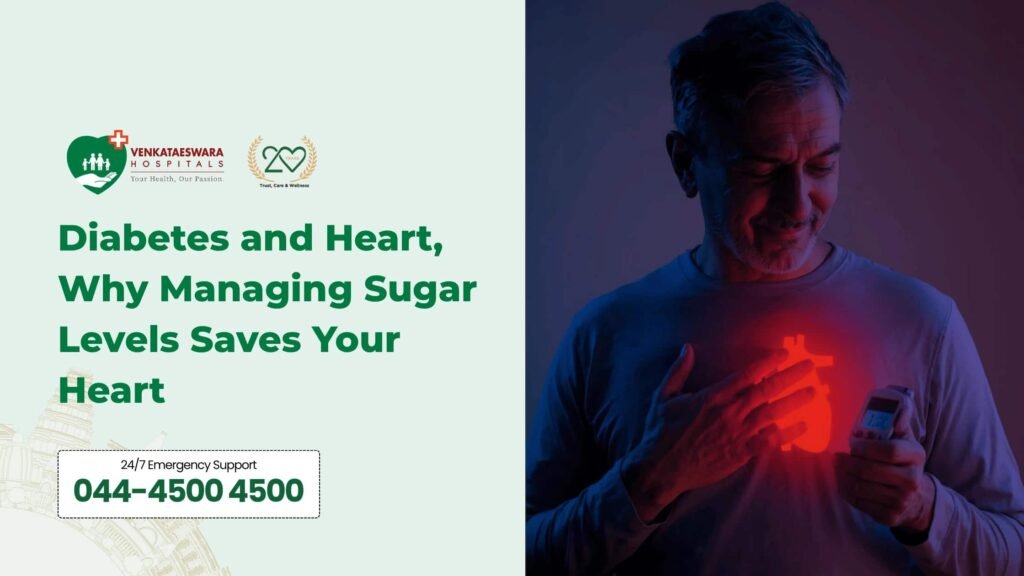
Diabetes and Heart,Why Managing Sugar Levels Saves Your Heart

Understanding Heart Rate,Tips to Keep It in Check Naturally Introduction Diabetes heart disease risk are more connected than most people realize. Studies show that individuals with diabetes are two to four times more likely to develop heart problems. When your sugar levels stay high for too long, it silently damages arteries, increases cholesterol, and weakens the heart muscle, increasing the diabetes heart disease risk. At VHospitals, our specialists emphasize that managing your blood sugar properly not only keeps diabetes under control but also reduces cardiovascular risk dramatically. Through early diagnosis, lifestyle changes, routine screenings, and personalized heart care programs, patients can achieve better outcomes, improve quality of life, and prevent long-term diabetic heart complications. Understanding the Strong Connection Between Diabetes and Heart Disease When your blood glucose remains high, it damages artery walls, allowing cholesterol to build up a process called atherosclerosis. This buildup narrows arteries, raising your risk of coronary artery disease, heart attack, and stroke. Even people with prediabetes have a higher chance of developing cardiovascular complications if sugar isn’t controlled early. If you notice any discomfort like chest pain, shortness of breath, or unusual fatigue, consult our Cardiology Department at V Hospitals immediately for preventive heart screening and expert care. Also, you can read our detailed health guide on the Early Warning Signs of Heart Attack to stay alert and informed. How High Blood Sugar Levels Damage Your Heart Persistent high blood sugar causes inflammation and oxidative stress, which harm both your arteries and heart tissues. Over time, this can lead to: Blood vessel damage reducing flexibility Nerve damage that disrupts blood pressure control Cholesterol imbalance, leading to plaque buildup These effects collectively increase your risk of diabetes cardiac complications, including heart failure and stroke. The Advanced Cardiac Treatment Center at VHospitals provides specialized procedures and cardiac rehabilitation programs for diabetic patients at higher heart-disease risk. Managing Blood Glucose for Heart Protection: Proven Steps by V Hospitals Experts Your heart’s protection starts with maintaining optimal blood sugar levels. Follow these proven strategies from our Diabetology and Endocrinology Team to strengthen both your heart and metabolism. 1. Eat a Balanced, Heart-Friendly Diet Choose whole grains, vegetables, lean proteins, and healthy fats. Reduce refined sugar and trans-fats. Include omega-3 foods like flaxseeds and fish for better circulation. For personalized nutrition plans, our Diet & Nutrition Department can design a meal program suited to your sugar levels. 2. Exercise Regularly Physical activity helps the body use glucose efficiently. Just 30 minutes of brisk walking daily can improve both insulin response and heart strength. You can also explore guided routines at our Physiotherapy and Rehabilitation Centre to maintain fitness safely. 3. Manage Stress and Sleep Properly Stress hormones like cortisol can spike blood sugar and blood pressure. Practice deep breathing, yoga, or meditation daily. Our Mental Wellness & Counseling Services help patients handle anxiety or stress related to chronic conditions like diabetes. 4. Regular Health Checkups Routine screenings help detect sugar and cholesterol fluctuations early. Book your Comprehensive Health Checkup to monitor A1C, blood pressure, and lipid levels regularly. Natural Ways to Reduce Blood Sugar and Protect the Heart Small natural changes can make a big difference: Drink plenty of water to flush excess glucose. Take a short walk after meals to stabilize sugar. Eat high-fiber snacks like almonds or oats. Use herbs such as cinnamon and fenugreek for natural sugar control. You can find more doctor-approved home practices in our Type 2 Diabetes Self-Care & Lifestyle Management Guide for daily control and long-term heart health. Conclusion Your blood sugar and heart health are inseparable. Uncontrolled diabetes silently damages your arteries and heart muscle, but early control and healthy habits can reverse the risk. At VHospitals, we combine cardiac expertise and diabetic care under one roof helping patients achieve total heart protection and better quality of life. Frequently Asked Questions 1. How does diabetes affect the heart?  Diabetes causes high blood sugar, which damages the inner walls of arteries. Over time, this leads to plaque buildup, narrowing the arteries and increasing the risk of heart attack, stroke, and heart failure. 2. Can controlling blood sugar really prevent heart disease?  Yes. Managing blood sugar helps reduce inflammation and cholesterol buildup in the arteries. Consistent control of sugar levels lowers the risk of cardiovascular problems like heart attack and coronary artery disease. 3. What are the warning signs of heart disease in people with diabetes?  Common symptoms include chest pain or pressure, shortness of breath, fatigue, irregular heartbeat, and swelling in the feet. If you have diabetes and notice these symptoms, visit the Cardiology Department at  VHospitals immediately for evaluation. 4. How can I lower my blood sugar naturally and protect my heart? Drink plenty of water, eat high-fiber foods, take short walks after meals, manage stress, and include herbs like cinnamon or fenugreek. These small steps can improve both blood sugar and heart health. 5. How often should a diabetic patient get their heart checked?  Patients with diabetes should have their heart checked at least once a year. Regular Comprehensive Health Checkups at V Hospitals help track blood pressure, cholesterol, and sugar levels to prevent heart complications early.  Diabetes causes high blood sugar, which damages the inner walls of arteries. Over time, this leads to plaque buildup, narrowing the arteries and increasing the risk of heart attack, stroke, and heart failure. Yes. Managing blood sugar helps reduce inflammation and cholesterol buildup in the arteries. Consistent control of sugar levels lowers the risk of cardiovascular problems like heart attack and coronary artery disease. Common symptoms include chest pain or pressure, shortness of breath, fatigue, irregular heartbeat, and swelling in the feet. If you have diabetes and notice these symptoms, visit the Cardiology Department at  VHospitals immediately for evaluation. Drink plenty of water, eat high-fiber foods, take short walks after meals, manage stress, and include herbs like cinnamon or fenugreek. These small steps can improve both blood sugar and heart health. Patients with diabetes should have their heart checked at least once a

Heart rate
Cardiology

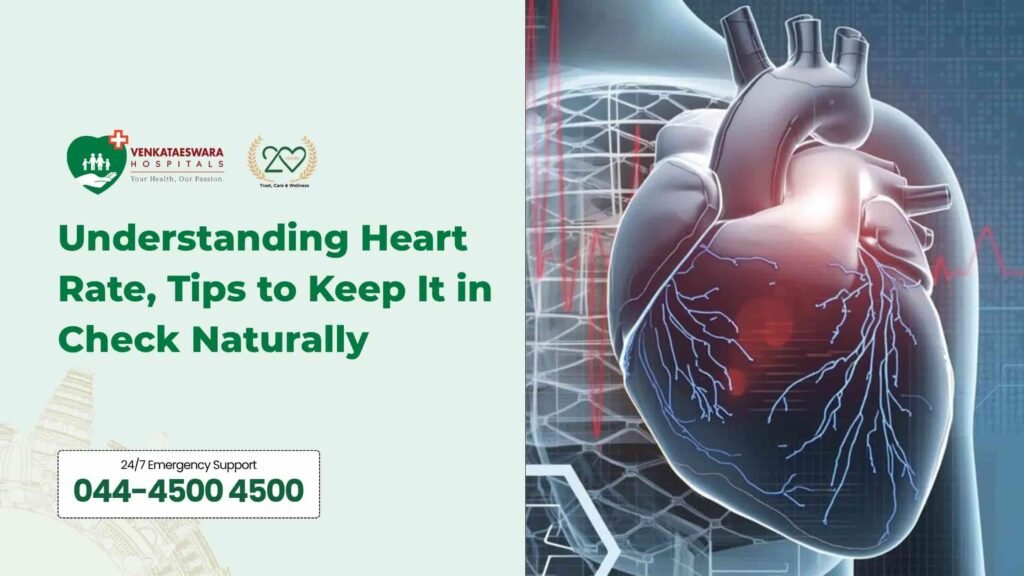
Understanding Heart Rate,Tips to Keep It in Check Naturally

Understanding Heart Rate,Tips to Keep It in Check Naturally Introduction Your heart rate reveals more than you might think  it’s one of the most accurate indicators of your cardiovascular health. Understanding your pulse helps you recognize how your heart responds to rest, stress, and physical activity. At Venkataeswara Hospital, Chennai, our cardiology experts emphasize that maintaining a stable and healthy heart rate can reduce your risk of hypertension, heart disease, and stroke. In this article, we’ll explain what a normal heart rate is, how to check it, and how to keep it in check naturally through balanced habits, exercise, and relaxation. Let’s take a closer look at how you can understand your heart rate and take simple steps to protect your heart every day. What Is Heart Rate and Why Monitoring It Is Important for Your Overall Cardiac Health Your heart rate is the number of times your heart beats per minute (bpm). It fluctuates based on your physical activity, emotions, and body temperature. Resting heart rate: When you’re relaxed or sleeping. Active heart rate: When exercising or under stress. Target heart rate: The ideal range during exercise for heart health benefits. A normal resting heart rate for adults ranges from 60–100 bpm. A lower rate usually indicates a stronger heart that pumps efficiently. If your rate is consistently high, it may signal dehydration, stress, or cardiovascular strain. Monitoring heart rate regularly can help detect early signs of heart disease — a service provided at Venkataeswara Hospital’s Cardiology Department. What Is a Normal Resting Heart Rate and What Does It Indicate About Heart Health Your resting heart rate (RHR) is the number of heartbeats per minute while you’re at rest an important measure of your cardiovascular fitness. Age Group Normal Resting Heart Rate (bpm) Children (6–15 years) 70–100 Adults (18+ years) 60–100 Athletes 40–60 A good resting heart rate means your heart doesn’t have to work as hard to maintain circulation. Lower RHR (50–60 bpm): Indicates good fitness and strong cardiac health. Higher RHR (above 80 bpm): May suggest stress, fatigue, or dehydration. To maintain your average resting heart rate, focus on balanced exercise, hydration, and proper sleep. How to Check Your Heart Rate at Home or During Medical Checkups You can easily measure your pulse rate using these methods: At the wrist: Place two fingers below your thumb, count beats for 15 seconds, then multiply by 4. At the neck: Gently press beside your windpipe and count beats for 15 seconds. Using smart devices: Wearable fitness trackers or smartwatches provide real-time monitoring. Clinical tests: Visit Venkataeswara Hospital’s Health Checkup Department for ECG or advanced cardiac screening. Monitoring regularly helps detect abnormalities early and provides insights into your heart’s rhythm and overall health. How to Lower Your Heart Rate Naturally and Keep It Stable for Optimal Cardiac Health 1. Practice Deep Breathing and Relaxation Controlled breathing slows your heart rate and lowers stress levels. Try 4-7-8 breathing inhale for 4, hold for 7, exhale for 8 seconds. 2. Exercise Regularly and Safely Moderate aerobic activities like brisk walking, swimming, or yoga improve cardiovascular strength and gradually lower resting heart rate. For guidance, consult Venkataeswara Hospital’s Physiotherapy Department. 3. Stay Hydrated Throughout the Day Dehydration makes your heart work harder. Aim to drink 2–3 liters of water daily for smooth blood circulation. 4. Eat a Heart-Healthy Diet Include foods rich in potassium, fiber, and omega-3 such as leafy greens, salmon, and nuts to keep your heart healthy. 5. Manage Stress and Sleep Well Stress can raise your heart rate and blood pressure. Sleep at least 7 hours a night to let your body recover naturally. How to Lower Heart Rate Immediately at Home During Stressful or Overactive Moments If your heart feels like it’s racing, don’t panic. Try these natural remedies: Sit or lie down and take slow, deep breaths. Splash cool water on your face to trigger the body’s relaxation response. Focus on calming thoughts or gentle stretching. Avoid caffeine, smoking, and alcohol. If your heart rate remains high, visit the Emergency Care Unit at Venkataeswara Hospital for immediate evaluation. When to Consult a Cardiologist About Your Resting Heart Rate or Irregular Pulse Seek medical attention if your resting heart rate is consistently above 100 bpm (tachycardia) or below 50 bpm (bradycardia) without regular exercise training. Symptoms like dizziness, shortness of breath, or irregular pulse may indicate underlying cardiac conditions. The Cardiology Department at Venkataeswara Hospital, Chennai offers ECG, echocardiograms, and advanced cardiac screening to ensure accurate diagnosis and treatment. Most importantly, scheduling a cardiologist consultation in Chennai at Venkataeswara Hospital ensures personalized care tailored to your medical history and lifestyle. Regular follow-ups help reduce the risk of future attacks and keep your heart in the best possible health. Conclusion Your heart rate is a simple but powerful reflection of your heart’s health. By adopting healthy habits like regular exercise, hydration, deep breathing, and proper rest you can maintain your heart rate within a healthy range. At Venkataeswara Hospital, Chennai, our cardiology specialists offer personalized guidance, preventive checkups, and advanced care for all heart-related conditions. Frequently Asked Questions 1. What is a normal heart rate for adults?  A normal resting heart rate is between 60–100 bpm, depending on your age, health, and activity level. 2. How can I lower my heart rate naturally?  Practice deep breathing, stay hydrated, exercise regularly, and manage stress effectively. 3. When should I visit a doctor for heart rate issues?  If your heart rate is consistently irregular or above 100 bpm, consult a cardiologist immediately. 4. When should I be concerned about my heart rate? If your resting heart rate is consistently above 100 bpm or below 50 bpm (without being an athlete), or if you experience dizziness, shortness of breath, or chest pain, it’s important to consult a doctor. 5. Can diet affect heart rate? Yes, balanced nutrition plays a key role in maintaining a healthy heart rate. Eating foods rich in omega-3 fatty acids, potassium, and magnesium while avoiding excess sugar and

Silent Heart Attack
Cardiology

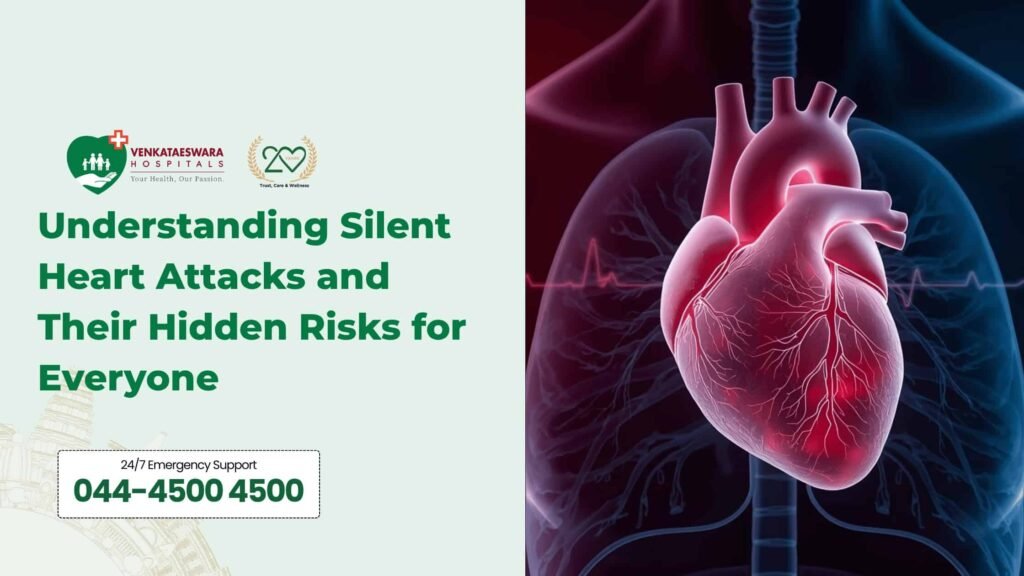
Understanding Silent Heart Attacks and Their Hidden Risks for Everyone

Understanding Silent Heart Attacks and Their Hidden Risks for Everyone Introduction Silent heart attacks, also known as silent myocardial infarctions, are a dangerous form of heart attack that can occur without obvious symptoms. Unlike typical heart attacks, which often involve intense chest pain and discomfort, silent heart attacks may go unnoticed, putting your cardiovascular health at serious risk. Many people wonder, Can you have a heart attack and not know it? or think, I had a heart attack, but now I feel fine.Understanding silent heart attack symptoms, recognizing cardiovascular risk factors, and taking preventive measures is crucial for protecting your heart. This guide explores silent heart attack causes, warning signs, early detection methods, and prevention strategies to help you maintain long-term heart health. What is a Silent Heart Attack and How It Differs from Typical Heart Attacks A silent heart attack occurs when blood flow to the heart is blocked, but the symptoms are mild, atypical, or completely absent. Unlike a typical heart attack, which produces crushing chest pain, silent heart attacks may only cause minor discomfort or no symptoms at all. Silent heart attack symptoms may include unexplained fatigue, mild shortness of breath, or slight discomfort in the jaw, neck, back, or arm. People often only discover they had a silent heart attack during routine checkups, ECGs, or cardiac imaging. Understanding the difference between a heart attack without symptoms and a typical heart attack is essential for early detection and timely intervention. Recognizing Silent Heart Attack Symptoms That Are Often Overlooked Silent heart attack symptoms are often subtle and easily dismissed. Some individuals experience mild fatigue, brief chest discomfort, indigestion, or lightheadedness without realizing the severity. Mini heart attack symptoms can be mistaken for stress, minor illness, or normal tiredness. Recognizing these silent heart attack warning signs early is critical to preventing serious heart complications. Paying attention to these subtle signals, especially if you have existing cardiovascular risk factors, can save your life. For further guidance, check our heart health tips to stay proactive. Causes and Risk Factors of Silent Heart Attacks Everyone Should Know About Silent heart attacks share many causes with regular heart attacks. Plaque buildup in coronary arteries, high blood pressure, high cholesterol, diabetes, and smoking all contribute to the risk of a heart attack without symptoms. Lifestyle factors such as sedentary behavior, unhealthy diet, and excessive alcohol consumption increase the likelihood of silent heart attacks. Family history of heart disease also plays a significant role. Individuals with diabetes may experience muted symptoms, making silent heart attacks harder to detect. Learning how to prevent silent heart attacks through lifestyle adjustments and regular medical checkups is essential for long-term heart wellness. Early Detection Methods for Silent Heart Attacks to Prevent Serious Complications Early detection of silent heart attacks is crucial to prevent serious heart damage. Key methods include: Routine Checkups and ECGs: Regular electrocardiograms can detect silent heart attacks, even when symptoms are absent. Blood Tests for Heart Markers: Measuring cardiac enzymes can reveal heart muscle damage caused by silent heart attacks. Monitor Subtle Symptoms: Fatigue, mild chest discomfort, shortness of breath, or lightheadedness may be silent heart attack warning signs. Stress Testing: Stress or treadmill tests help identify reduced blood flow to the heart, indicating potential silent heart attack activity. Heart Imaging: Echocardiograms or cardiac MRIs provide detailed images of heart damage from a heart attack without symptoms. Detecting silent heart attacks early allows healthcare professionals to intervene promptly, reducing the risk of future complications. Combining early detection with awareness of cardiovascular risk factors improves long-term heart health outcomes. Prevention Strategies to Reduce the Risk of Silent Heart Attacks Effectively Preventing silent heart attacks involves maintaining a heart-healthy lifestyle. A balanced diet rich in fruits, vegetables, whole grains, and lean proteins supports cardiovascular health. Regular physical activity strengthens the heart, improves circulation, and helps control blood pressure and cholesterol. Additional preventive measures include quitting smoking, managing stress through meditation or relaxation techniques, and controlling chronic conditions such as diabetes, high blood pressure, and high cholesterol. Awareness of silent heart attack causes and symptoms, coupled with these lifestyle adjustments, significantly lowers the risk of heart attacks without symptoms. For more detailed guidance, read our comprehensive guide on preventing silent heart attacks. Conclusion Silent heart attacks are a hidden threat that can occur without noticeable symptoms. Recognizing silent heart attack symptoms, understanding your risk factors, and adopting preventive measures are crucial steps for protecting your heart. Regular checkups, early detection, and lifestyle changes can save lives. Don’t wait until severe symptoms appear. Always consult a cardiologist if you are at risk, and start implementing heart-healthy habits today. Prioritizing your cardiovascular wellness and spreading awareness about silent heart attacks can help protect your loved ones as well. Frequently Asked Questions 1.Can you have a heart attack and not know it? Yes, silent heart attacks can occur without noticeable symptoms, making early detection critical. 2.What are the mini heart attack symptoms? Mild fatigue, jaw or chest discomfort, and shortness of breath are common subtle indicators. 3.How is a silent heart attack diagnosed? Through ECGs, blood tests, echocardiograms, or cardiac imaging during routine checkups. 4.What is the life expectancy after a silent heart attack?  With proper detection, treatment, and lifestyle changes, individuals can maintain a healthy life expectancy. 5.What is a silent heart attack?  A silent heart attack is a heart attack that occurs with minimal or no obvious symptoms, often detected later through tests. Yes, silent heart attacks can occur without noticeable symptoms, making early detection critical. Mild fatigue, jaw or chest discomfort, and shortness of breath are common subtle indicators. Through ECGs, blood tests, echocardiograms, or cardiac imaging during routine checkups. With proper detection, treatment, and lifestyle changes, individuals can maintain a healthy life expectancy. A silent heart attack is a heart attack that occurs with minimal or no obvious symptoms, often detected later through tests.
heart health
Cardiology

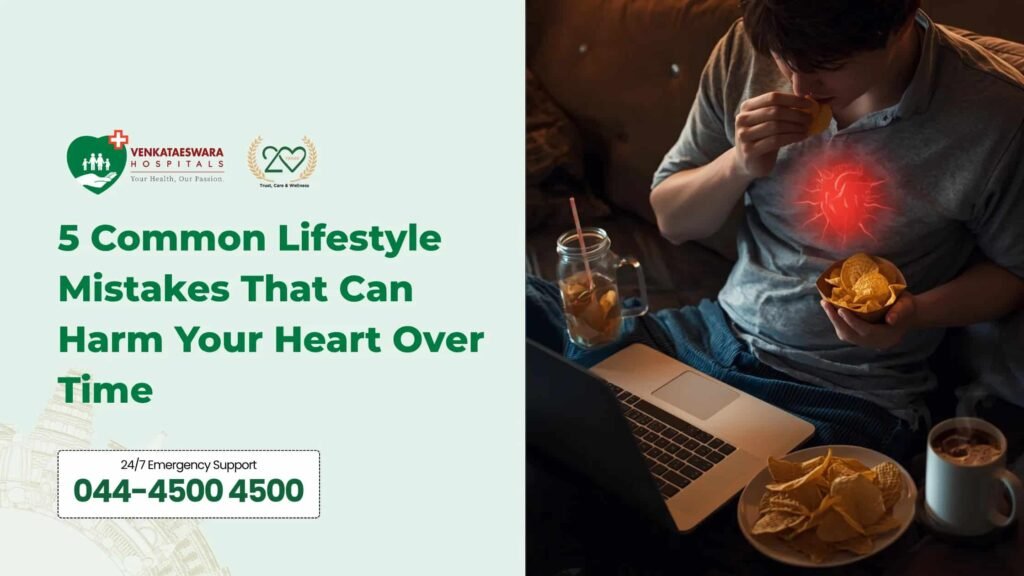
5 Common Lifestyle Mistakes That Can Harm Your Heart Over Time

5 Common Lifestyle Mistakes That Can Harm Your Heart Over Time Introduction Your heart is the engine of your body, beating tirelessly to keep you alive. Yet, many of us unknowingly make daily choices that slowly weaken this vital organ. The damage doesn’t happen overnight it builds up silently over years, eventually showing up as high blood pressure, blocked arteries, or even a heart attack. According to the World Health Organization, cardiovascular diseases remain the leading cause of death worldwide, but most of these cases are preventable. At Venkataeswara Hospital, Chennai, our cardiology specialists often see patients who wish they had acted earlier. The truth is, you can protect your heart by avoiding common lifestyle mistakes and making small but powerful changes. In this blog, we explore 5 lifestyle mistakes damaging heart health and provide practical solutions to help you prevent heart disease and lead a healthier life. 1. Poor Diet Choices The Silent Threat A diet high in processed foods, fried snacks, sugar, and excessive salt silently damages the heart. These foods raise cholesterol, trigger obesity, and increase blood pressure leading to long-term risks. Poor diet is one of the main high cholesterol and heart risk factors. Heart Health Tip: Focus on fruits, vegetables, whole grains, lean protein, and healthy fats. Even small changes, like cutting down on salt or sugary drinks, can lower your heart risk naturally. You can consult our diet and nutrition counseling service for a personalized plan tailored to your heart health. 2. Lack of Physical Activity Sitting for long hours weakens your heart muscles and slows circulation. Inactivity contributes to obesity heart problems, diabetes, and hypertension. A sedentary lifestyle is one of the biggest lack of exercise effects on heart. Heart Health Tip: Aim for at least 30 minutes of physical activity five days a week. Walking, yoga, swimming, or light exercises at home can significantly improve circulation and strengthen your heart. Our physiotherapy and rehabilitation team provides customized programs for patients recovering from illness or surgery. 3. Stress Overload – The Hidden Risk Factor Not all heart attacks come with crushing chest pain. In fact, some are silent and occur with subtle or unusual symptoms. These 6 silent heart attack symptoms include mild chest discomfort, flu-like feelings, fatigue, dizziness, lightheadedness, and intermittent pain. Such symptoms are often mistaken for stress, gastric issues, or muscle strain.The challenge with these silent indicators is that people delay seeking medical care. For example, chest pain vs heartburn confusion can cause dangerous delays. These are truly heart attack warning signs to never ignore. If you experience recurring or unexplained discomfort, it is always safer to consult a cardiologist immediately. 4. Smoking and Excessive Alcohol – Double Trouble Smoking directly damages blood vessels and reduces oxygen supply, while alcohol weakens the heart muscle and raises high blood pressure causes. Together, these habits dramatically increase the risk of heart disease. Heart Health Tip: Quitting smoking and limiting alcohol intake are the most effective steps to protect your heart. Our cardiology services offer support programs to help patients reduce these risks and monitor their cardiovascular health closely. 5. Poor Sleep Habits Many people underestimate the importance of sleep for sleep and heart health. Sleeping less than 6 hours or having irregular sleep patterns can increase blood pressure, weight gain, and risk of diabetes all of which stress the heart. Heart Health Tip: Aim for 7–9 hours of quality sleep. Maintain a consistent sleep schedule and avoid screens before bedtime. Our preventive health check-ups help detect lifestyle-related risks early and provide guidance on improving sleep habits. Conclusion simple changes, such as improving diet, moving more, managing stress, avoiding harmful habits, and prioritizing sleep, can significantly prevent heart disease and improve overall health. At Venkataeswara Hospital, Chennai, we provide comprehensive care through cardiac rehabilitation, diabetes & hypertension care, and preventive heart care programs to help patients stay strong and live healthier lives. Start taking steps today your heart deserves it. Frequently Asked Questions 1. What are the early warning signs of heart issues?  Unusual fatigue, dizziness, chest pain, and shortness of breath may indicate underlying heart disease. 2. How can I improve my heart health naturally?  Eat clean, exercise regularly, manage stress, sleep well, and avoid smoking and alcohol. 3. Does Venkataeswara Hospital offer preventive programs?  Yes. We provide preventive health check-ups, lifestyle counseling, physiotherapy, and diet support to protect your heart. 4. What dietary habits are most harmful to the heart? Eating too much salt, sugar, and unhealthy fats, or consuming processed and fried foods, can lead to plaque buildup in arteries and increase the risk of heart attack and stroke. 5. How can I improve my heart health naturally? You can improve heart health by eating a balanced diet, exercising regularly, avoiding smoking and alcohol, managing stress, and getting adequate sleep. Regular heart checkups also help in early detection of risks.  Unusual fatigue, dizziness, chest pain, and shortness of breath may indicate underlying heart disease. Eat clean, exercise regularly, manage stress, sleep well, and avoid smoking and alcohol. Yes. We provide preventive health check-ups, lifestyle counseling, physiotherapy, and diet support to protect your heart. Eating too much salt, sugar, and unhealthy fats, or consuming processed and fried foods, can lead to plaque buildup in arteries and increase the risk of heart attack and stroke. You can improve heart health by eating a balanced diet, exercising regularly, avoiding smoking and alcohol, managing stress, and getting adequate sleep. Regular heart checkups also help in early detection of risks.

Vascular Health
Cardiology

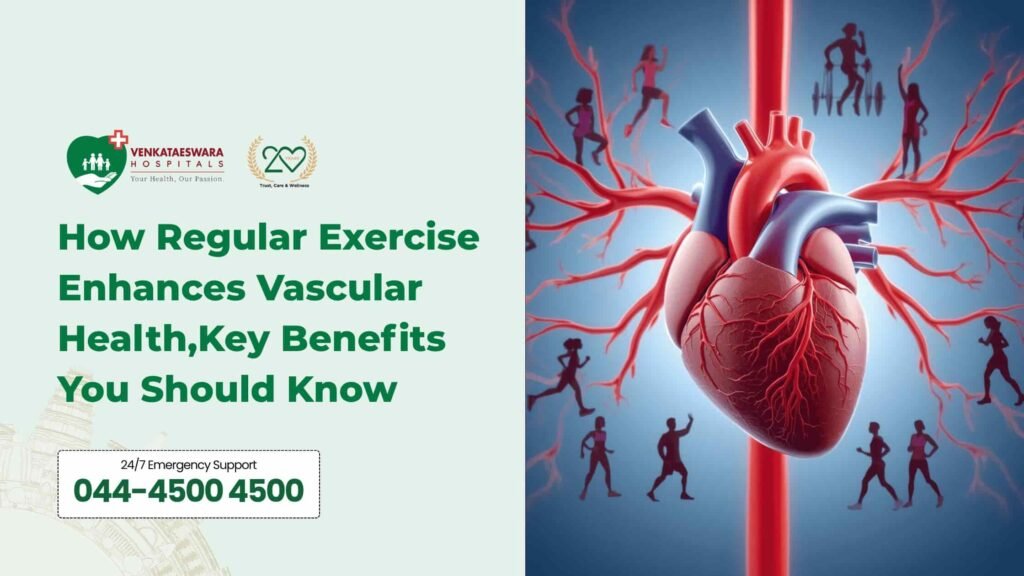
How Regular Exercise Enhances Vascular Health Key Benefits You Should Know

How Regular Exercise Enhances Vascular Health,Key Benefits You Should Know Introduction Your vascular health plays a vital role in keeping your body functioning at its best. It refers to the strength and flexibility of your blood vessels the arteries, veins, and capillaries that carry blood throughout your body. When these vessels are healthy, your heart, brain, and muscles receive the oxygen and nutrients they need to perform efficiently. At Vengateswara Hospital, doctors emphasize that regular exercise is one of the most powerful ways to support vascular health naturally. From walking and jogging to yoga or strength training, consistent physical activity enhances circulation, keeps your blood vessels clear, and reduces the risk of heart disease. Let’s explore the key benefits of exercise, why it’s vital for your cardiovascular system, and how even small workouts can protect your long-term heart health. 1. Exercise Improves Blood Circulation and Vascular Function Good vascular health begins with healthy blood circulation. When you engage in regular exercise or working out, your heart pumps blood more efficiently, delivering oxygen-rich nutrients to every part of your body. Aerobic exercises like brisk walking, cycling, or swimming help widen blood vessels, improve elasticity, and reduce plaque buildup in arteries. Over time, this strengthens your cardiovascular system and lowers the risk of hypertension and stroke. If you’re looking for expert guidance on managing your circulation and heart performance, explore the Cardiology Department at Vengateswara Hospital, where advanced cardiac diagnostics and treatments ensure your heart and vessels stay healthy. 2. Regular Physical Activity Strengthens the Heart Your heart is a muscle, and like any muscle, it becomes stronger with regular exercise. Activities such as jogging, aerobics, or stair climbing help improve cardiovascular fitness, enabling your heart to pump blood more efficiently with less effort. A stronger heart means more energy, better stamina, and a lower risk of developing coronary artery disease. That’s why physical activity is so important in preventing heart disease. To track your progress, consider scheduling a preventive heart checkup through the Health Checkup Packages at Vengateswara Hospital, a proactive way to monitor your heart’s health and performance. 3. Exercise Helps Regulate Blood Pressure and Cholesterol High blood pressure and cholesterol are major threats to vascular health. Regular exercising helps lower bad (LDL) cholesterol and increase good (HDL) cholesterol, keeping your arteries clear and flexible. Moreover, consistent physical activity reduces inflammation, which is a hidden cause of vascular damage. Even moderate workouts like yoga or cycling can stabilize blood pressure and improve heart function. To support your wellness goals, the Lifestyle Management Program at Vengateswara Hospital offers personalized plans that combine exercise, diet, and stress management for better vascular and heart health. 4. Exercise Boosts Hormone Balance and Blood Flow During exercise, the cardiovascular system helps move hormones throughout the body, especially those that support cell repair and vascular healing. This process enhances nutrient delivery to tissues and improves overall recovery after workouts. It also promotes nitric oxide production, a key molecule that helps blood vessels relax and maintain flexibility. This natural reaction keeps your circulatory system efficient and healthy. For those recovering from injuries or post-surgery, the Physiotherapy and Rehabilitation Department at Vengateswara Hospital helps patients safely return to activity while improving blood flow and joint mobility. 5. The Overall Benefits of Exercise on Vascular Health The benefits of exercise extend far beyond fitness. Regular workouts help: Maintain healthy blood circulation Control weight and blood sugar Strengthen immunity Reduce stress and anxiety (which can harm vascular health) Improve energy and longevity No matter your age, starting a simple exercise routine, even 30 minutes a day, can transform your health. Take your first step toward better vascular and heart wellness with a Comprehensive Health Checkup at Vengateswara Hospital. Conclusion Improving your vascular health starts with consistent movement. Regular exercise not only strengthens your heart and blood vessels but also enhances your overall well-being, energy, and longevity. Whether you enjoy walking, swimming, or yoga, every move counts toward a stronger cardiovascular system. Your body’s circulatory network thrives when you stay active, so start today and experience the life-changing benefits of regular exercise. Frequently Asked Questions 1. How does regular exercise improve vascular health? Regular exercise improves vascular health by enhancing blood circulation, increasing vessel elasticity, and reducing plaque buildup in arteries. Activities like walking, cycling, and swimming strengthen the heart and lower the risk of hypertension and stroke. 2. What types of exercise are best for maintaining healthy blood vessels? Aerobic exercises such as brisk walking, swimming, and cycling are best for vascular health. They promote oxygen-rich blood flow and support heart function. Strength training and yoga also help regulate blood pressure and improve overall cardiovascular performance. 3. Can exercise help control high blood pressure and cholesterol? Yes, regular physical activity helps lower bad cholesterol (LDL) and increase good cholesterol (HDL), keeping arteries clear. It also helps stabilize blood pressure and reduces inflammation, two key factors for maintaining good vascular and heart health. 4. How often should I exercise to support vascular and heart health? Experts recommend at least 30 minutes of moderate exercise five days a week. Consistency is key; even light workouts like walking or yoga can significantly improve vascular strength and long-term cardiovascular wellness. 5. Does exercise help people with existing vascular problems? Yes, under medical supervision. Regular exercise can improve circulation, reduce pain, and prevent further complications in people with conditions like peripheral artery disease or high blood pressure. Regular exercise improves vascular health by enhancing blood circulation, increasing vessel elasticity, and reducing plaque buildup in arteries. Activities like walking, cycling, and swimming strengthen the heart and lower the risk of hypertension and stroke. Aerobic exercises such as brisk walking, swimming, and cycling are best for vascular health. They promote oxygen-rich blood flow and support heart function. Strength training and yoga also help regulate blood pressure and improve overall cardiovascular performance. Yes, regular physical activity helps lower bad cholesterol (LDL) and increase good cholesterol (HDL), keeping arteries clear. It also helps stabilize blood pressure and reduces

Scroll to Top