
jQuery(document).ready(function($){ $('nav a').filter(function(){ return $(this).text().trim() === 'Academic'; }).attr('target', '_blank'); });

vhospitals

Venkateswara Hospital

Liver

Alcohol effects on liver
Liver

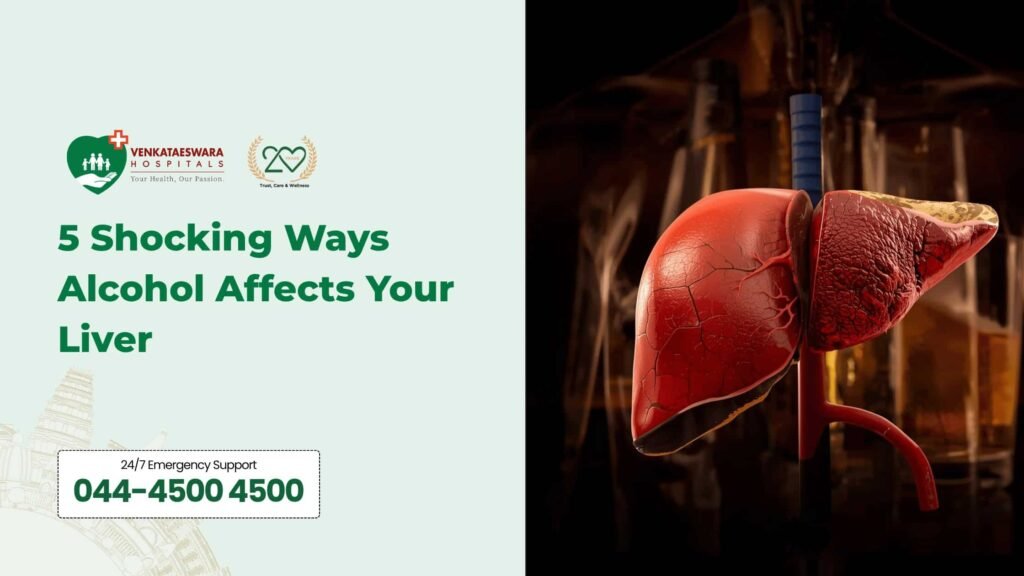
5 Shocking Ways Alcohol Affects Your Liver

5 Shocking Ways Alcohol Affects Your Liver Introduction Alcohol is often considered a part of social life, but many underestimate its effects on the liver. Understanding alcohol effects on liver is crucial for protecting your overall health and avoiding long-term complications. The liver is the primary organ responsible for processing alcohol, and excessive intake can lead to conditions ranging from fatty liver to life-threatening cirrhosis and even liver cancer. The consequences of alcohol abuse extend beyond physical discomfort; they can impact your energy levels, immunity, and long-term organ health. This article explores 5 shocking ways alcohol affects your liver, provides practical liver health tips, and shares effective strategies to prevent liver damage from alcohol. Following these expert recommendations can help maintain optimal liver function, prevent alcohol-related liver problems, and improve your overall quality of life. 1. Fatty Liver from Alcohol One of the earliest signs of liver damage is fat accumulation in liver cells, known as fatty liver. Even moderate alcohol intake can trigger this condition over time. Fatty liver is often asymptomatic, but if left unaddressed, it can progress to inflammation, scarring, or more severe liver disorders. Tips to prevent fatty liver: Limit alcohol consumption and avoid binge drinking. Incorporate a kidney- and liver-friendly diet rich in vegetables, fruits, and whole grains. Follow healthy liver habits, such as staying hydrated and exercising regularly. Consult the Diet & Nutrition Experts at Vengataeswara Hospital for a personalized nutrition plan. Recognizing the early signs of fatty liver is essential for prevention. Regular liver function tests can help detect fat accumulation before irreversible damage occurs. 2. Alcoholic Hepatitis Symptoms Chronic alcohol consumption can cause alcoholic hepatitis, a serious inflammatory condition of the liver. This condition can be mild or severe and may become life-threatening if left untreated. Common alcoholic hepatitis symptoms include: Jaundice (yellowing of skin and eyes) Abdominal pain and swelling Fatigue, nausea, and loss of appetite Preventing alcoholic hepatitis requires moderation and awareness. Regular check-ups can help detect liver inflammation early, and following alcohol and liver disease prevention strategies can reduce risk. Alcoholic hepatitis can sometimes progress to cirrhosis if alcohol abuse continues. Early intervention and lifestyle changes are key to reversing damage and maintaining liver health. 3. Cirrhosis Due to Alcohol Cirrhosis occurs when healthy liver tissue is replaced with scar tissue, reducing liver functionality. Chronic alcohol abuse is a major contributor to cirrhosis. This condition can lead to severe complications, including liver failure. Signs of cirrhosis due to alcohol: Swelling in legs and abdomen Easy bruising or bleeding Fatigue and digestive issues Preventive measures include avoiding binge drinking, eating a liver-friendly diet, and regular monitoring. Our Gastroenterology & Hepatology Specialists offer comprehensive care to detect early cirrhosis and manage liver health effectively. Cirrhosis can sometimes develop silently, which is why routine liver screenings are essential, especially for individuals with a history of heavy alcohol consumption. 4. Increased Risk of Liver Cancer Long-term alcohol consumption significantly increases the risk of liver cancer, especially in individuals with pre-existing liver damage. The progression from fatty liver and hepatitis to cancer emphasizes the importance of early prevention and intervention. Preventive tips include: Regular liver screenings and diagnostic tests Limiting or eliminating alcohol consumption Adopting healthy liver habits, including regular exercise and proper hydration For advanced monitoring and preventive care, visit the Liver Care Clinic at Vengataeswara Hospital to receive professional guidance and support. 5. Impaired Liver Detox from Alcohol The liver has a natural ability to regenerate and detoxify the body, but alcohol interferes with this vital process. Continuous alcohol exposure slows recovery from liver injury and increases vulnerability to further damage. Ways to support liver detox and maintain liver health: Abstain or limit alcohol intake Eat a nutrient-rich diet with fruits, vegetables, and whole grains Stay hydrated and exercise regularly Follow expert liver detox and wellness tips Supporting liver regeneration through healthy habits can dramatically reduce the risk of serious conditions and improve overall metabolic health. Conclusion Alcohol can have shocking effects on your liver, from fatty liver to cirrhosis and liver cancer. Early intervention, moderation, and lifestyle changes are essential to maintaining long-term liver health. By implementing liver health tips, following preventive strategies, and consulting medical experts, you can avoid alcohol-related liver problems. At Vengataeswara Hospital, our team provides comprehensive care, screening, and personalized guidance to ensure your liver stays healthy. Take action today and schedule a consultation at Vengataeswara Hospital. Frequently Asked Questions 1. How does alcohol affect the liver?  Alcohol disrupts normal liver function, causing fat accumulation, inflammation, scarring, and increasing the risk of liver disease. 2. What organ does alcohol affect the most?  The liver is primarily affected, although alcohol can also damage the heart, pancreas, and brain with prolonged use. 3. Can liver damage from alcohol be reversed?  Early-stage damage like fatty liver can improve with lifestyle changes, abstinence, and proper medical guidance. 4. What are the early signs of liver damage?  Symptoms include jaundice, fatigue, abdominal pain, nausea, and loss of appetite. 5. How can I prevent liver damage from alcohol?  Limit alcohol intake, maintain a balanced diet, exercise regularly, stay hydrated, and consult medical professionals for monitoring.  Alcohol disrupts normal liver function, causing fat accumulation, inflammation, scarring, and increasing the risk of liver disease. The liver is primarily affected, although alcohol can also damage the heart, pancreas, and brain with prolonged use. Early-stage damage like fatty liver can improve with lifestyle changes, abstinence, and proper medical guidance.  Symptoms include jaundice, fatigue, abdominal pain, nausea, and loss of appetite.  Limit alcohol intake, maintain a balanced diet, exercise regularly, stay hydrated, and consult medical professionals for monitoring.
Liver Health Diet
Liver

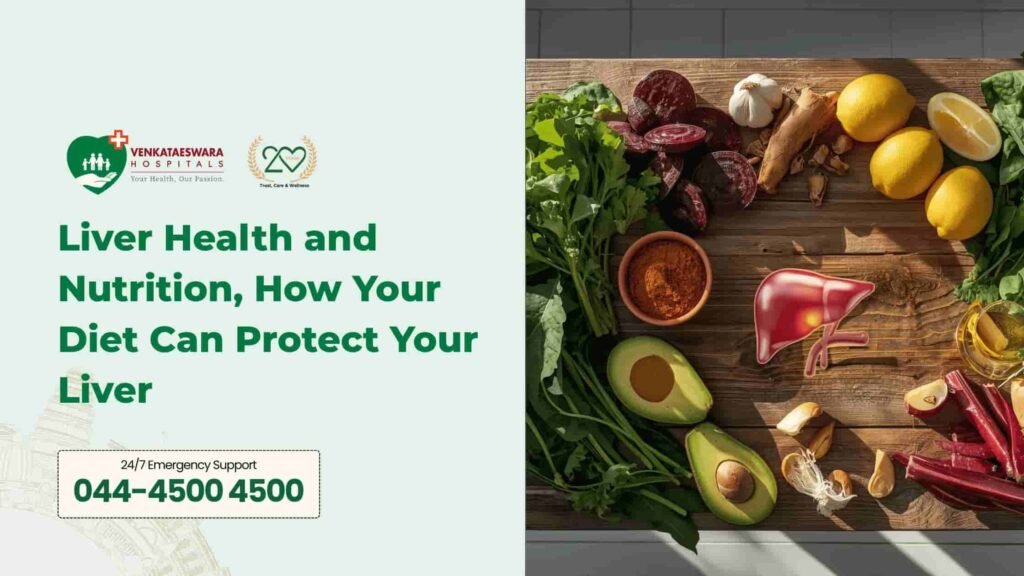
Liver Health and Nutrition How Your Diet Can Protect Your Liver

Liver Health and Nutrition,How Your Diet Can Protect Your Liver Introduction The liver is one of the most vital organs in the human body, responsible for detoxification, metabolism, and nutrient processing. Maintaining a healthy liver is essential for overall wellness, and following a proper liver health diet can significantly reduce the risk of liver-related illnesses such as fatty liver, hepatitis, and cirrhosis. Regular monitoring through a preventive health checkup at Venkataeswara Hospital and incorporating foods for healthy liver can help ensure the liver functions optimally. Along with lifestyle changes, diet plays a critical role in keeping the liver strong and disease-free. Why Diet Matters for Liver Health A good liver health diet is crucial for maintaining liver function. The liver metabolizes nutrients, filters toxins, and supports digestion. Poor eating habits, excessive alcohol intake, and fried or processed foods can overload the liver, causing fat accumulation and inflammation. Consulting with liver nutrition services helps you design a diet tailored to your liver’s needs. Consuming liver-friendly foods like leafy greens, cruciferous vegetables, berries, and nuts can support detoxification and overall wellness. Morning Nutrition for Liver Support Starting your day with liver-friendly foods boosts detoxification and metabolism. Include leafy greens, berries, nuts, seeds, and citrus fruits in your breakfast to provide essential vitamins, minerals, and antioxidants. For meal ideas, healthy breakfast options suggested by experts at Venkataeswara Hospital can help your liver flush out toxins efficiently. A morning smoothie with spinach, kale, and berries provides sustained energy and supports overall liver health. Evening Nutrition and Liver Care Evening meals should be light and nutrient-rich to minimize liver strain. Incorporate steamed vegetables, lean proteins, and whole grains such as quinoa or brown rice for optimal digestion. Avoid fried or high-sugar foods in the evening. Following liver-friendly dinner tips helps the liver perform detoxification naturally at night and supports better metabolism and long-term liver wellness. How to Choose the Best Foods for Your Liver Choosing the right foods is essential for an effective liver health diet. Incorporate the following: Liver detox foods: garlic, turmeric, green tea, broccoli, cabbage Fatty liver diet plan foods: low in saturated fat and processed sugar Healthy liver snacks: almonds, walnuts, fresh fruits, seeds Foods to avoid: alcohol, fried foods, processed sugar, high-fat items Following a structured fatty liver diet plan can prevent liver disorders. Experts at Venkataeswara Hospital emphasize combining diet with lifestyle practices and regular monitoring for optimal liver health. Tips for Maintaining Liver Health Daily Consistent daily habits are key to liver health: Stay hydrated: Drink plenty of water to flush out toxins Eat liver-friendly foods: Include leafy greens, berries, nuts, and antioxidant-rich foods Healthy liver snacks: Snack on almonds, walnuts, fresh fruits, and seeds Limit alcohol and processed foods: Reduce liver strain Maintain a healthy weight: Combine balanced meals with regular exercise Consider supplements if needed: Use liver health supplements under guidance For more guidance on liver health supplements, experts at Venkataeswara Hospital provide personalized recommendations to improve liver function and overall wellness. Common Mistakes to Avoid Skipping meals, following fad detox diets, or consuming excessive fried and fatty foods can harm liver health. Overconsumption of alcohol is a major risk factor for liver disease. Ignoring regular liver check-ups or using unverified supplements can prevent early detection of liver problems. For expert advice, consult liver guidance services at Venkataeswara Hospital to ensure your liver stays healthy. Most importantly, scheduling a cardiologist consultation in Chennai at Venkataeswara Hospital ensures personalized care tailored to your medical history and lifestyle. Regular follow-ups help reduce the risk of future attacks and keep your heart in the best possible health. Conclusion A balanced liver health diet, combined with daily healthy habits, can significantly improve liver function, prevent disease, and enhance overall wellness. Including liver-friendly foods, avoiding harmful choices, and adopting preventive practices are essential.Book an appointment at Venkataeswara Hospital through their contact page to receive expert guidance on diet, lifestyle, and liver health monitoring. Begin today with mindful dietary choices to protect your liver naturally. Frequently Asked Questions 1. What are the best foods for liver detox?  Leafy greens, garlic, turmeric, green tea, berries, and nuts are excellent for natural liver detoxification. 2. Can lifestyle changes alone improve liver health? Yes, combining proper diet, hydration, exercise, and limiting alcohol significantly improves liver function. 3. How often should I check my liver health? Annual liver function tests are recommended, especially for individuals at risk of fatty liver or liver disease. 4. Can drinking water improve liver health? Yes. Staying well-hydrated helps the liver flush out toxins and metabolize nutrients effectively. Drinking enough water daily supports all liver functions. 5. How can I naturally detox my liver through diet? Include cruciferous vegetables (broccoli, cabbage), beets, lemon water, green tea, and high-fiber foods in your diet. These help the liver cleanse itself naturally and improve overall liver performance.  Leafy greens, garlic, turmeric, green tea, berries, and nuts are excellent for natural liver detoxification. Yes, combining proper diet, hydration, exercise, and limiting alcohol significantly improves liver function. Annual liver function tests are recommended, especially for individuals at risk of fatty liver or liver disease. Yes. Staying well-hydrated helps the liver flush out toxins and metabolize nutrients effectively. Drinking enough water daily supports all liver functions. Include cruciferous vegetables (broccoli, cabbage), beets, lemon water, green tea, and high-fiber foods in your diet. These help the liver cleanse itself naturally and improve overall liver performance.

Scroll to Top