
jQuery(document).ready(function($){ $('nav a').filter(function(){ return $(this).text().trim() === 'Academic'; }).attr('target', '_blank'); });

vhospitals

Venkateswara Hospital

Physiotherapy

Foot and ankle pain treatment in Chennai
Physiotherapy

Top 10 Benefits of Regular Physiotherapy Sessions

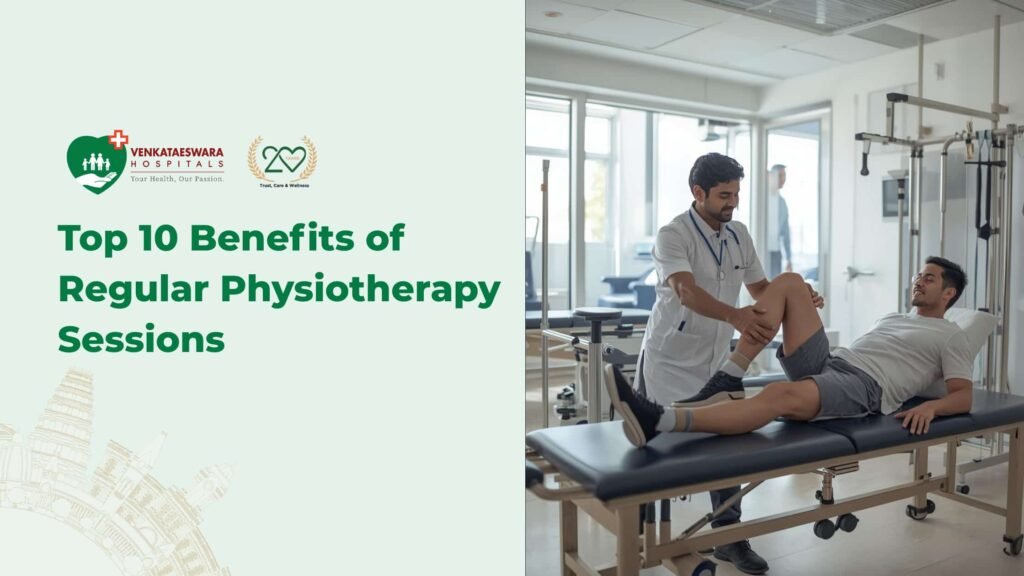
Top 10 Benefits of Regular Physiotherapy Sessions Introduction Physiotherapy also plays an important role in improving circulation, enhancing muscle coordination, and keeping joints healthy. With today’s desk-bound routines and increased screen usage, more people are experiencing early mobility problems that were once seen only in older adults. Regular physiotherapy sessions in Chennai help counter these issues, ensuring that the body stays active and pain-free throughout daily activities. In a metropolitan city like Chennai, long work hours, traffic stress, and limited physical activity contribute to widespread musculoskeletal conditions. Physiotherapy provides targeted care for these lifestyle issues through scientifically designed exercises and hands-on techniques. It encourages the body to heal naturally without relying heavily on medications or invasive procedures. Improves Overall Mobility Patients who find it difficult to walk, climb stairs, or bend due to pain or stiffness benefit greatly from regular physiotherapy. Mobility exercises improve joint flexibility and muscle function, making everyday activities easier and more comfortable. Provides Natural Pain Relief Instead of depending only on painkillers, physiotherapy reduces pain by treating its actual cause. Soft tissue techniques, manual therapy, and muscle strengthening reduce discomfort in areas such as the neck, lower back, shoulder, and knees, giving long-lasting relief. Supports Recovery After Surgery After orthopaedic, spine, or joint replacement surgeries, patients may struggle with weakness and reduced movement. Regular physiotherapy sessions help restore strength, reduce swelling, and prevent complications. This ensures faster and safer recovery at every stage. Prevents Pain From Returning Pain often comes back if muscles remain weak or posture remains incorrect. Physiotherapy improves posture alignment and builds strong support around joints to avoid repeated injuries or recurring pain. It promotes long-term wellness instead of temporary relief. Enhances Balance and Stability Older adults and patients recovering from neurological conditions often experience imbalance or difficulty while walking. Regular physiotherapy improves coordination and balance, reducing the risk of falls and improving confidence in movement. Boosts Strength and Muscle Health Weak muscles cause strain in other body parts. Physiotherapy strengthens specific weak muscles so the body can move with proper support. Stronger muscles protect joints, avoid injuries, and improve posture in daily activities. Helps Athletes and Active Patients Perform Better Sports physiotherapy enhances flexibility, strength, and body control, helping athletes perform better while preventing injuries. Whether someone plays professional sports or engages in regular fitness routines, physiotherapy supports better performance and safer training. Improves Breathing and Lung Capacity Patients with breathing difficulties or those recovering from chest-related surgeries can benefit from physiotherapy. Chest physiotherapy techniques help improve lung capacity, clear congestion, and enhance oxygen flow, supporting better respiratory health. Helps with Chronic Conditions Conditions such as arthritis, cervical spondylosis, lumbar disc issues, and tendon injuries require continuous care. Regular physiotherapy sessions help control symptoms, maintain movement, and prevent condition progression so patients can live pain-free and independently. Improves Quality of Life Physical limitations can affect work, personal routine, and mental well-being. Physiotherapy allows patients to move better, feel healthier, and return to the activities they enjoy. With consistent sessions at Venkataeswara Hospitals, patients experience greater comfort, confidence, and overall happiness. When Should You Start Physiotherapy? You should consider physiotherapy if you have persistent pain, difficulty in movement, recent injury, surgery recovery, or weakness affecting daily life. Starting physiotherapy early leads to faster recovery and better long-term results. Expert physiotherapists at Venkataeswara Hospitals in Chennai evaluate each patient carefully and guide them throughout their healing journey. Conclusion Regular physiotherapy sessions provide multiple health benefits for people of all ages. They help reduce pain, improve strength and mobility, prevent future injuries, and support better health. At Venkataeswara Hospitals in Chennai, experienced physiotherapists offer personalized care that focuses on restoring movement, reducing discomfort, and enhancing overall well-being. Taking the right treatment at the right time can transform your daily comfort and keep you active for life. Frequently Asked Questions 1.Why are regular physiotherapy sessions important for recovery?  They help strengthen weak muscles, improve joint function, and prevent pain from returning, supporting long-term recovery and active living. 2. Can physiotherapy help avoid surgery?  Yes. Early physiotherapy treatment may prevent the need for surgery by treating underlying issues and improving mobility in many cases. 3. How long should physiotherapy sessions continue?  This depends on the patient’s condition. A physiotherapist will assess progress regularly and guide how long sessions are needed for complete recovery. 4. Is physiotherapy helpful for chronic joint and back pain?  Yes. Regular physiotherapy reduces stiffness, restores movement, and helps manage pain from chronic conditions such as arthritis or spine disorders. 5. Where can I get trusted physiotherapy care in Chennai?  Venkataeswara Hospitals in Chennai provides expert physiotherapy treatment with personalized care for faster and safe recovery.  They help strengthen weak muscles, improve joint function, and prevent pain from returning, supporting long-term recovery and active living. Yes. Early physiotherapy treatment may prevent the need for surgery by treating underlying issues and improving mobility in many cases. This depends on the patient’s condition. A physiotherapist will assess progress regularly and guide how long sessions are needed for complete recovery. Yes. Regular physiotherapy reduces stiffness, restores movement, and helps manage pain from chronic conditions such as arthritis or spine disorders. Venkataeswara Hospitals in Chennai provides expert physiotherapy treatment with personalized care for faster and safe recovery.
common joint problems Chennai
Orthopaedics, Physiotherapy

How to Avoid the 7 Most Common Joint Problems After Age 30

How to Avoid the 7 Most Common Joint Problems in Chennai After Age 30 Introduction After we turn 30, daily habits like long sitting hours, reduced exercise, stress, and weight gain begin to affect our joints. These lifestyle issues are the major causes of common joint problems Chennai adults face today. Whether we are driving long distances, sitting in front of a laptop all day, or avoiding exercise due to busy schedules, the joints face continuous strain. People think joint pain is only for older age, but age-related joint wear and tear actually starts silently in our 30s. If not controlled early, these mild pains become long-term arthritis or mobility limitations in the future. This blog shares how to prevent joint pain early, improve flexibility, and avoid long-term risks. Taking action now means you can enjoy an active, pain-free life for many years. joint pain is only for older age, but age-related joint wear and tear actually starts silently in our 30s. If not controlled early, these mild pains become long-term arthritis or mobility limitations in the future. This blog shares how to prevent joint pain early, improve flexibility, and avoid long-term risks. Taking action now means you can enjoy an active, pain-free life for many years. Knee & Hip Joint Pain Among all common joint problems Chennai adults experience, knee pain ranks #1. Climbing stairs quickly, wrong gym posture, and being overweight increase pressure on knees. Even simple activities like sitting cross-legged on the floor can cause strain when joints are already weak. Choosing low impact exercises for joints like swimming, cycling, and brisk walking can improve muscle support and reduce pain. Meanwhile, hip pain is often ignored until movement becomes difficult. IT professionals must take breaks every hour, stretch their hips, and improve their posture. Early physiotherapy and strengthening prevent cartilage damage. Shoulder, Neck & Wrist Pain Today, smartphones, laptops, and gaming devices are the major reasons behind upper body pain. Hours of screen usage weaken the shoulder and neck muscles, causing stiffness and headaches. Wrist pain  especially among IT workers. may lead to Arthritis later. Knowing what causes arthritis in young adults helps people avoid repetitive strain, incorrect phone holding, and typing without rest. Small routine changes like shoulder rolls, chin tucks, and wrist mobility improve long-term joint comfort. Back & Spine Stiffness Back pain is one of the most common joint problems Chennai professionals complain about. Sitting in soft sofas or working from bed weakens the spine. Lack of core strength puts all the workload on the lower back leading to stiffness. Correct posture, yoga, and strength training protect the spine from future degeneration. If pain spreads to the legs or causes numbness, medical help is essential to prevent nerve issues. Ankle Pain & Osteoarthritis Even wrong footwear can gradually damage joints. High heels, flat sandals, and tight shoes lead to ankle imbalance and foot pain. After age 30, joints slowly lose natural cushioning, making cartilage protection tips important. Foods rich in calcium, healthy fats, and Vitamin D strengthen bones. Following a joint health diet for Indians helps reduce inflammation and keeps the body strong. Exercise, Weight & Physiotherapy Support Understanding how to keep joints healthy requires 3 essentials: strength, movement, and flexibility. Simple exercises like walking and yoga support the joints better than sudden, intense workouts. Even 5 kg extra weight adds 20–30 kg additional pressure on your knees! Physiotherapy is one of the safest ways to treat joint stiffness, build muscle balance, and restore movement. If pain doesn’t reduce after home remedies, expert treatment ensures faster recovery. When Should You See a Doctor? If pain lasts more than two weeks, becomes worse while walking, or comes with swelling, do not wait. Early diagnosis helps avoid surgery and permanent damage. Knowing when to see orthopaedic doctor Chennai will save both time and money. Conclusion Joint pain is not a normal part of turning 30. Today, common joint problems Chennai adults are experiencing can be prevented with simple lifestyle improvements. By choosing correct posture, regular stretching, nutritious food, and professional treatment when needed, you can protect your joints for life. Don’t wait until stiffness and pain stop you from enjoying daily activities,prevention today gives you active years ahead. If your joints are trying to tell you something, listen now. Frequently Asked Questions 1.What is arthritis?  Arthritis happens when cartilage breaks down, causing swelling and pain in joints. 2 Can exercise stop joint pain? Absolutely — strengthening, stretching, and mobility exercises protect and support joints. 3. Why do body aches increase after 30?  Slow metabolism, stress, improper posture, and lower activity levels contribute. 4. When should I see a doctor for joint pain?  If pain lasts more than two weeks, or swelling and clicking increase, get a check-up. 5. How can physiotherapy help?  It improves movement, reduces pain, and prevents surgery in chronic conditions.  Arthritis happens when cartilage breaks down, causing swelling and pain in joints. Absolutely — strengthening, stretching, and mobility exercises protect and support joints. Slow metabolism, stress, improper posture, and lower activity levels contribute. If pain lasts more than two weeks, or swelling and clicking increase, get a check-up. It improves movement, reduces pain, and prevents surgery in chronic conditions.

knee pain in young age
Physiotherapy

Why Knee Pain Happens Even If You’re Young

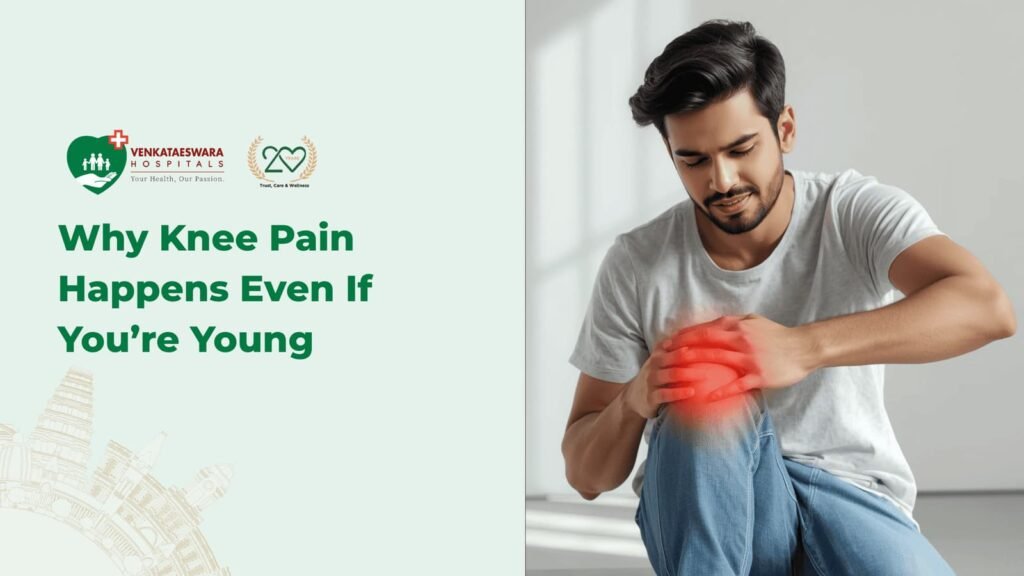
Why Knee Pain Happens Even If You’re Young Introduction Knee pain in young age is becoming more common than ever. Whether you are a student, working professional, athlete, or someone who sits for long hours, knee discomfort can affect your mobility, confidence, and performance. Many people wrongly assume that knee pain is only caused by aging or injuries. In reality, lifestyle habits, posture mistakes, weak muscles, obesity, and even vitamin deficiencies can trigger knee problems early in life. Understanding the reason of knee pain in young age helps you take preventive action before it becomes a lifelong issue. In this blog, we’ll explore why knee pain happens even if you’re young, what symptoms you should not ignore, and how you can get safe, long-term knee pain relief without unnecessary medications. Top Reasons for Knee Pain in Young Age 1. Weak Muscles Due to Lack of Exercise Your knees depend on strong quadriceps, hamstrings, and glute muscles for stability. When you don’t exercise regularly, your muscles become weak, forcing your knee joints to take more pressure. Over time, this leads to pain, stiffness, and difficulty climbing stairs. 2. Poor Posture & Long Sitting Hours Sitting with crossed legs, slouching, or using low chairs can misalign your hip and knee joints. Office workers, gamers, and students often develop knee pain due to incorrect posture combined with weak muscles. 3. Excess Body Weight Excess weight places additional load on the knees, increasing the risk of early osteoarthritis. Even a weight gain of just 5–10 kg can significantly increase joint pressure. 4. Sports or Overuse Injuries Athletes and gym-goers are at higher risk due to repetitive stress. Running on hard surfaces, improper footwear, or training without warming up can strain knee ligaments and tendons. 5. Vitamin D & Calcium Deficiency This is one of the most common knee pain reasons in young age, especially in females. Lack of sunlight and poor diet can weaken bones, making knees fragile and painful even without injury. 6. Flat Feet or Wrong Footwear Improper foot alignment changes the knee angle, causing joint stress. Wearing unsupportive shoes (especially slippers or high heels) can trigger knee pain in ladies and young adults. 7. Hormonal Changes (Especially in Females) Hormonal fluctuations during menstruation, pregnancy, or PCOS lead to joint laxity, making women more prone to knee pain. This explains what causes knee pain in females even without injury. What to Do for Knee Pain in Young Age? Here are simple, practical steps to relieve knee pain: Strengthen thigh & glute muscles Maintain proper posture at work Wear supportive footwear Avoid sudden intense workouts Include Vitamin D, B12 & calcium Warm up before exercise When Should You See a Specialist? Seek medical help if: Pain lasts more than 7–10 days Sudden swelling or popping sound Difficulty standing or climbing stairs Pain worsens while walking or exercising Early intervention prevents long-term knee damage. Don’t ignore knee pain  especially at a young age. Conclusion Knee pain in young age is not something to ignore. Whether it’s caused by weak muscles, posture issues, vitamin deficiency, or sports overuse, treating it early gives better long-term results. With proper exercise, physiotherapy, and posture correction, you can enjoy pain-free movement and avoid future complications like osteoarthritis. If you’re struggling with knee pain, don’t wait. Book a consultation with our expert physiotherapists for personalized treatment, posture evaluation, and fitness support focused on long-term knee health. Frequently Asked Questions 1. Why does my knee hurt even without injury?  Weak muscles, poor posture, and vitamin deficiency can cause knee pain even without an injury. 2. What causes knee pain in females?  Hormonal changes, vitamin deficiency, and improper footwear are common causes. 3. How do I relieve knee pain at home?  Apply ice, do stretching, strengthen your legs, and avoid squatting or running temporarily. 4. Can knee pain be cured permanently?  Yes, with physiotherapy, posture correction, strength training, and a proper diet. 5. Is knee pain normal in young adults?  No. Persistent pain indicates imbalance or deficiency and needs early treatment.  Weak muscles, poor posture, and vitamin deficiency can cause knee pain even without an injury. Hormonal changes, vitamin deficiency, and improper footwear are common causes. Apply ice, do stretching, strengthen your legs, and avoid squatting or running temporarily. Yes, with physiotherapy, posture correction, strength training, and a proper diet. No. Persistent pain indicates imbalance or deficiency and needs early treatment.

Scroll to Top